
 E-Paper



Intermittent fasting vs balanced diet: Which works better for weight loss?

 Prefer HTon Google



Among the many ways to lose weight, experts decode the difference between intermittent fasting and a balanced diet. Here’s what works better.
It's one of the most common questions in the nutrition space right now, and it deserves a straight answer rather than another hedged, it-depends non-response. Both intermittent fasting and balanced dieting have passionate advocates. Both have real science behind them. And both, frankly, work under the right conditions, for the right person. In conversation with HT Lifestyle, Saloni Paliwal, co-founder and COO of Early Fit, decoded the difference between the two and what works better for weight loss.
Also read | Hyderabad neurologist warns against quick weight loss, says stop treating obesity like a 'medical emergency'
What is intermittent fasting?
Saloni said, “The most popular approach, the 16:8 method, compresses eating into an eight-hour window each day.” The appeal is structural simplicity: fewer decisions, a natural reduction in overall calorie intake for most people, and metabolic shifts, including improved insulin sensitivity and increased fat oxidation, that occur during the fasted state.

According to Saloni, research on intermittent fasting shows real weight loss outcomes, particularly over shorter timeframes. Where it runs into trouble is sustainability. Skipping breakfast or delaying the first meal works smoothly for some people and feels genuinely miserable for others. Social eating gets complicated. Training on empty is difficult. And for anyone with a history of disordered eating, rigid time windows can reinforce unhealthy patterns.
What does a balanced diet actually mean?
“A balanced diet is distributed meals across the day, sufficient protein, whole food sources, and managed portions, doesn't carry the same novelty factor, but it has a long track record precisely because it doesn't require dramatic behavioural change,” said Saloni. It fits into normal life more flexibly, supports consistent energy and mood, and aligns better with strength training and active lifestyles that require adequate fueling around workouts.
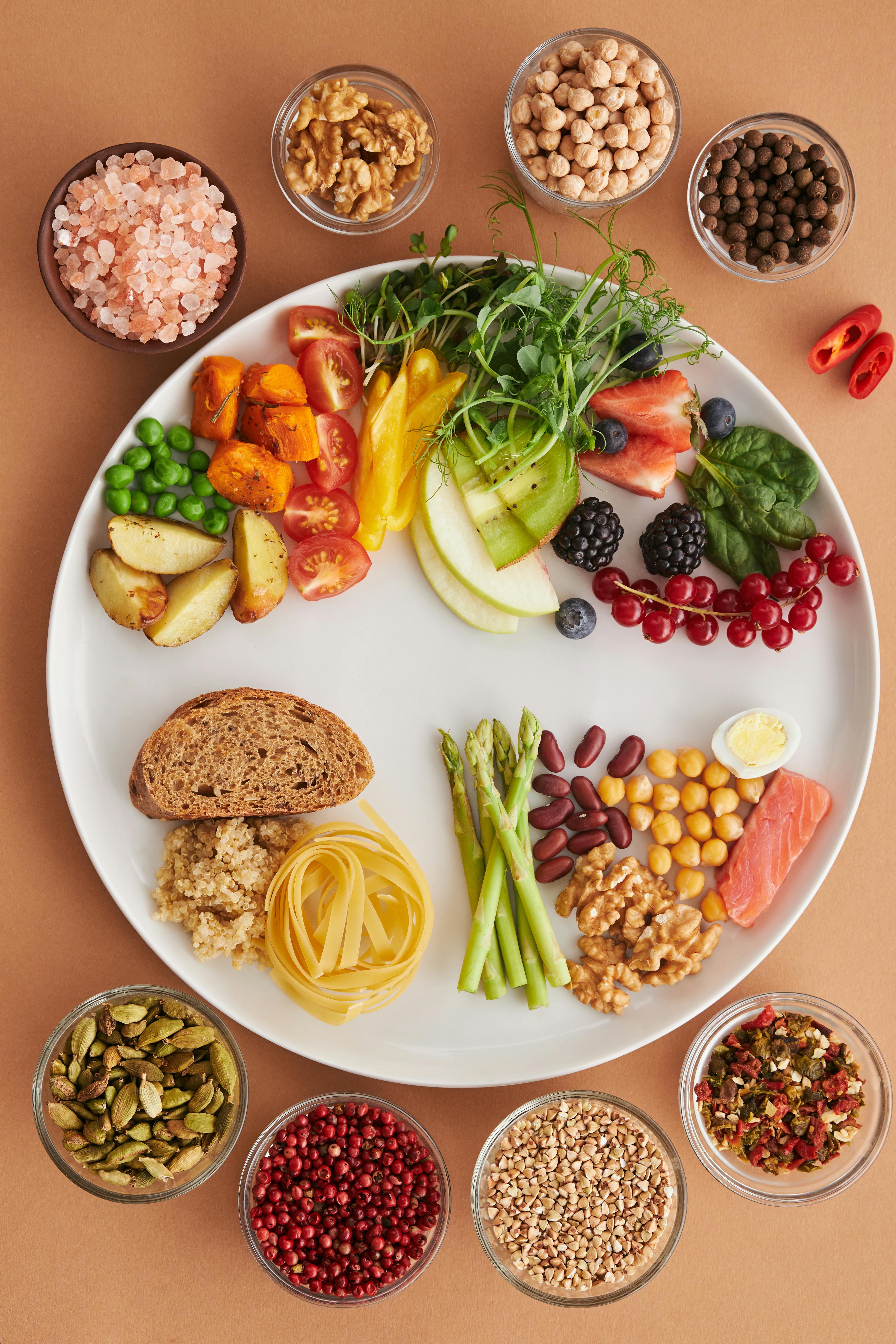
The catch is that "balanced" can mean almost anything, and without meaningful attention to calorie awareness and food quality, it drifts toward maintenance rather than meaningful fat loss.
Which one is better?
“The research, taken collectively, suggests both approaches produce comparable weight loss when calorie intake is matched. The decisive variable isn't the method - it's adherence,” Saloni told HT Lifestyle.
Saloni suggests that the approach you can actually maintain, that doesn't create stress around food, and that supports your energy and performance, is the one that works. If intermittent fasting reduces decision fatigue and feels natural for your schedule, it's a legitimate tool. If structured, balanced meals throughout the day help you train harder and feel better, that consistency is worth far more than any metabolic edge. Pick the method that fits your life. Then commit to it long enough to let it work.
Note to readers: This article is for informational purposes only and not a substitute for professional medical advice. Always seek the advice of your doctor with any questions about a medical condition.


Catch your daily dose of Fashion, Taylor Swift, Health, Festivals, Travel, Relationship, Recipe and all the other Latest Lifestyle News on Hindustan Times Website and APPs.


