
 E-Paper



Is your nightly TV habit harming your heart? New study reveals the hidden dangers of sleep light
Sleeping with the TV on may harm your heart health; new research reveals how nighttime light exposure disrupts sleep and alters heart structure.

 Prefer HTon Google


Do you often fall asleep with the television still playing in the background? Our body has an internal clock called the circadian rhythm. This rhythm responds strongly to light and darkness. Darkness signals that it is time to wind down and supports the natural release of melatonin, a hormone that helps regulate sleep. Artificial light at night can interfere with this process.
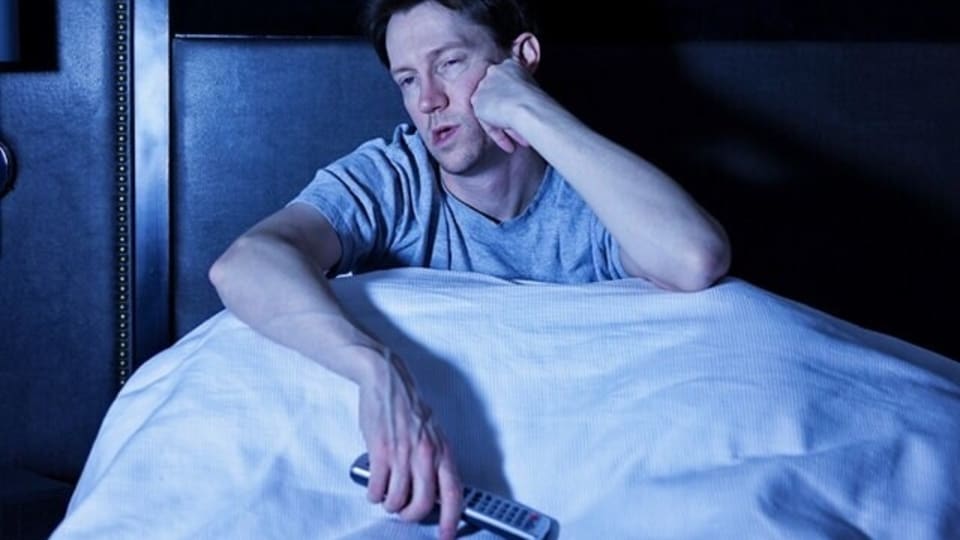

New research adds another reason to take nighttime light seriously
A study published in the European Heart Journal examined 11,071 UK Biobank participants who wore a wrist device with a light sensor. About three years later, they underwent cardiovascular MRI scans, allowing researchers to closely examine the heart's structure and function.
- The researchers compared people with different levels of nighttime light exposure.
- Those exposed to light levels above 3 lux showed measurable differences in their hearts.
- Their left ventricular mass was 2.4% higher, average wall thickness was 1.5% greater, and myocardial contraction fraction was 1.9% lower.
- Changes were also seen in the right ventricle and left atrium. The overall pattern was described as concentric cardiac remodeling.
Explaining these findings, “This study shows that greater exposure to light at night was associated with measurable differences in heart structure and function. We should take that association seriously. Even a minimal light exposure can affect you. This is not limited to television viewing specifically. Light sources can include TVs, streetlights, lamps, and other sources," Dr Anil (Col) Dhall, Head of the Department, Cardiology, Shalby International Hospital, Gurgaon, tells Health Shots.
Another interesting part of the findings is this
Shorter sleep duration statistically explained a substantial part of the association between nighttime light and the cardiac changes. In other words, sleep itself may be an important part of the story. The researchers estimated that shorter sleep duration statistically mediated around 24% to 49% of the observed associations.
“The real concern may not be the television itself. It is the disruption of the natural nighttime environment, light exposure, disturbed sleep, and the effect these may have on our body clock. We still need more research to understand exactly how much each of these factors contributes,” says Dr (Col) Anil Dhall.
Why shouldn't you put a TV in your bedroom?
You do not necessarily need to throw the television out of your bedroom. But if you use it to fall asleep, set a sleep timer rather than leaving it on all night. Keep unnecessary lights off, reduce screen exposure close to bedtime, and use curtains or blinds to block bright outdoor light.
(Disclaimer: This article is for informational purposes only and is not a substitute for professional medical advice. Always seek the advice of your doctor with any questions about a medical condition.)

Catch your daily dose of Fashion, Taylor Swift, Health, Festivals, Travel, Relationship, Recipe and all the other Latest Lifestyle News on Hindustan Times Website and APPs.


