
 E-Paper



Smoking and drinking may age your brain faster: Neurologist explains how

 Prefer HTon Google


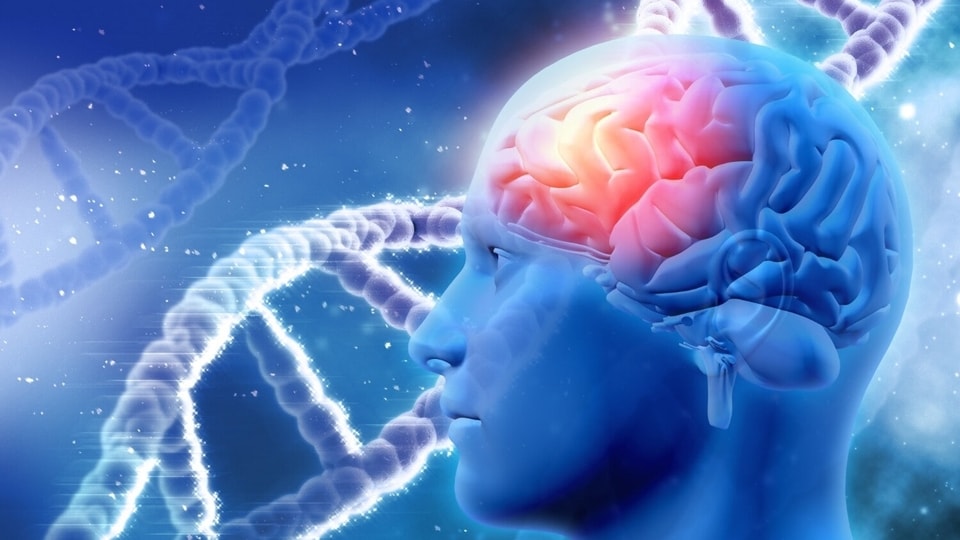
From memory loss to dementia: Learn from a Fortis Hospital doctor the side-effects of long-term smoking and drinking.
Smoking and drinking have become common features of social gatherings, and frequent indulgence can gradually turn them into long-term habits. While their effects on the lungs and liver are widely known, the damage they can cause to the brain often goes unnoticed.
ALSO READ: What happens to your lung cancer risk after you quit smoking? Oncologist explains
Dr Anmol Singh Rai, consultant in neurology at Fortis Hospital, Jalandhar, helped break down how smoking and alcohol consumption affect the brain over time and whether the damage can be reversed. He cautioned that the brain may begin to decline long before obvious signs such as memory lapses, mood swings, or slowed thinking appear.
How does smoking damage brain?
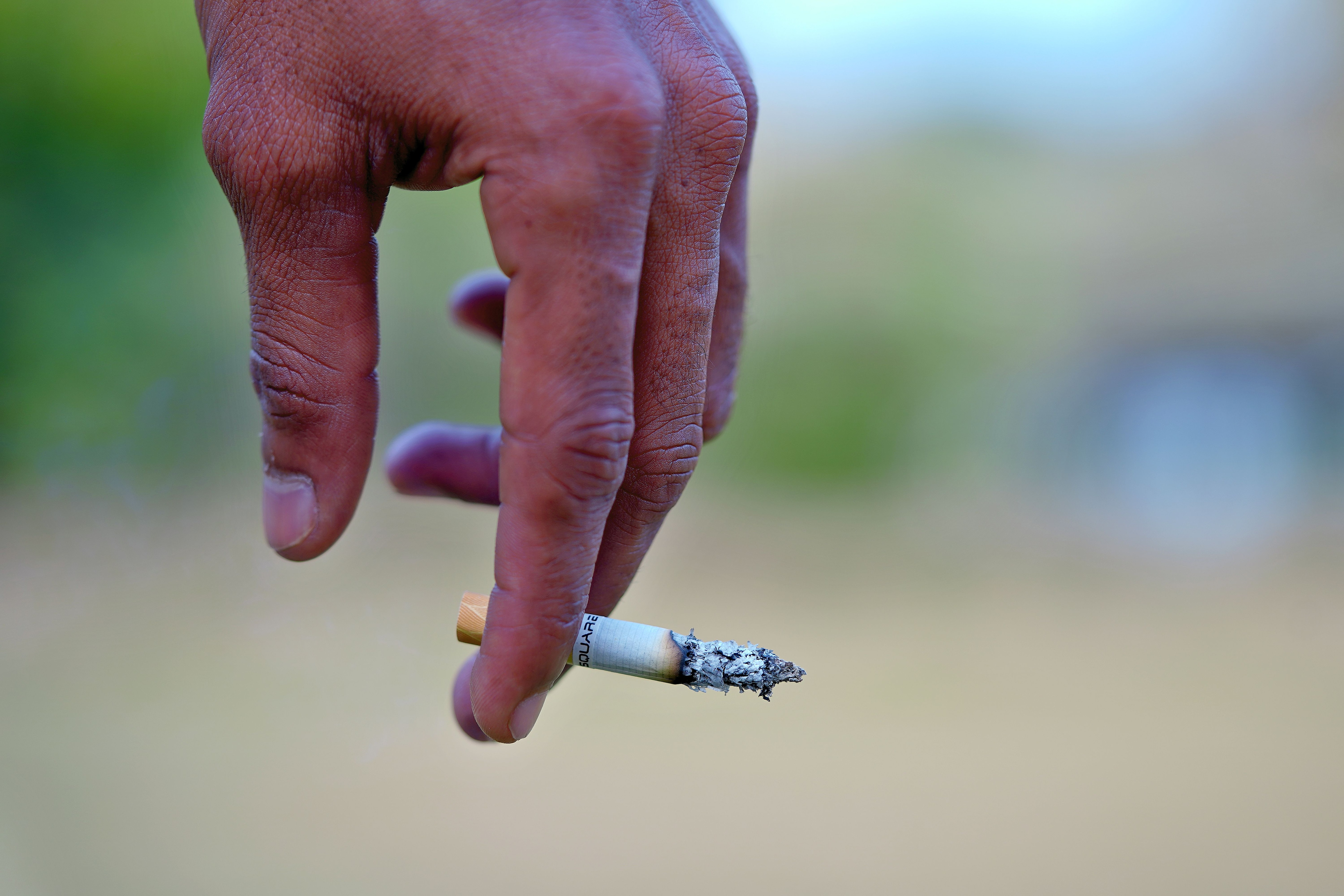
The neurologist compared the effects of smoking on the brain to rust forming inside a pipe. This analogy illustrates how smoking gradually damages and narrows blood vessels, reducing the flow of oxygen-rich blood to the brain.
He described, “Nicotine, the primary addictive and psychoactive ingredient in cigarettes, makes the blood vessels narrower, cutting down how much oxygen-rich blood reaches the brain with every cigarette. Over years, the chemicals in tobacco smoke also damage the walls of those vessels, making them stiffer and narrower. Carbon monoxide from cigarettes further starves brain tissue of oxygen.”
The expert also cited findings from WHO and Alzheimer's Disease International, which suggest that smokers have a 45 percent higher risk of developing dementia than non-smokers. Smoking is also estimated to account for 14 percent of Alzheimer's disease cases worldwide.
How does alcohol damage the brain?
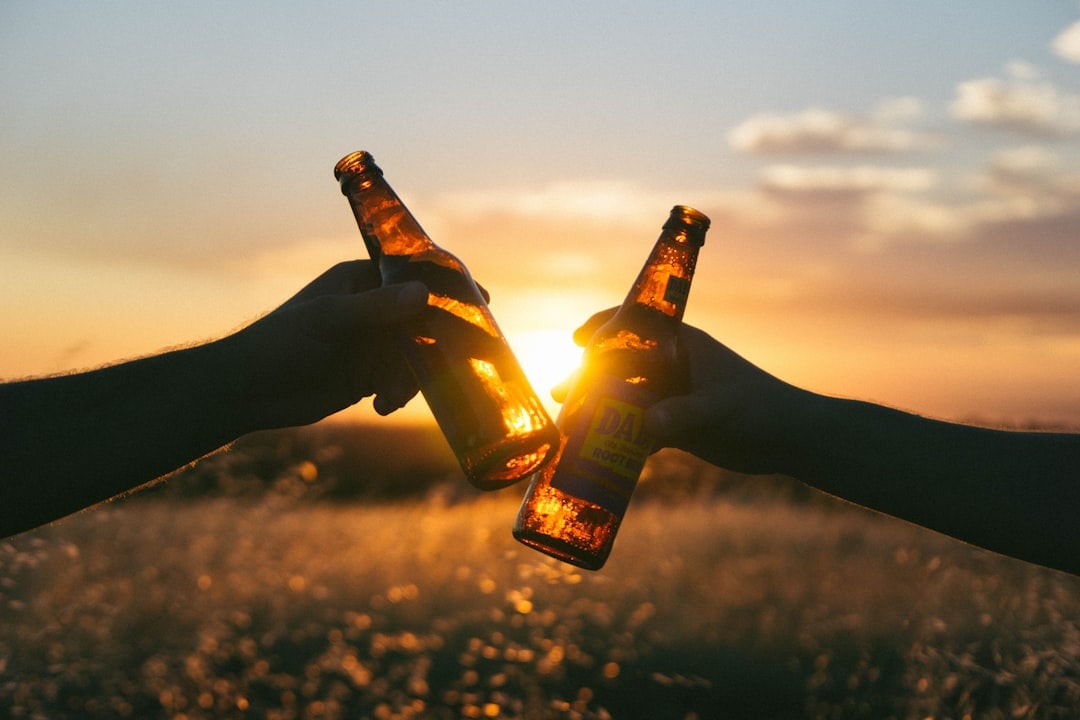
In contrast to smoking, Dr Rai cautioned that alcohol takes a more direct route to damaging the brain.
“Instead of choking off the brain's blood supply, it reaches the brain tissue itself and changes its structure. Think of the brain as having two main working parts: gray matter, which does the actual thinking, and white matter, the network of fibres that carries signals between different brain regions,” he added.
He then cited findings from a 2022 study published in Nature Communications, in which researchers scanned the brains of more than 36,000 adults. They found that even one to two alcoholic drinks a day were associated with measurable reductions in both grey and white matter, with the damage becoming more pronounced as alcohol consumption surged. An increase from one drink a day to two was associated with brain changes equivalent to approximately two additional years of ageing.
But what happens when a person indulges in both smoking and drinking? The expert added, "Smoking raises blood pressure and promotes inflammation in blood vessel walls, while heavy alcohol intake does the same through a different pathway, and together they accelerate small vessel disease, a leading driver of vascular dementia.”
Can quitting help the brain recover?

To what extent can quitting help? The doctor confirmed that the brain retains some capacity to recover after a person quits smoking and cuts back on alcohol consumption.
He noted, “Quitting smoking can restore blood flow and bring dementia risk closer to that of a non-smoker within a few years. Cutting back on alcohol, even without giving it up completely, eases the pressure on brain volume and slows further decline.”
On the preventive health front, he also encouraged people to cut down on cigarettes and alcohol and stay physically active, as movement improves blood flow to the brain and may help offset some of the vascular damage caused by both habits. Regarding diet, he recommended adding walnuts, berries, and leafy greens to daily meals, as their antioxidants may help counter the oxidative stress that nicotine and alcohol place on brain cells.
Note to readers: This article is for informational purposes only and not a substitute for professional medical advice. Always seek the advice of your doctor with any questions about a medical condition.


Catch your daily dose of Fashion, Taylor Swift, Health, Festivals, Travel, Relationship, Recipe and all the other Latest Lifestyle News on Hindustan Times Website and APPs.


