
 E-Paper



What do the 9 nights of Navratri mean for spiritual seekers? An expert explains

 Prefer HTon Google


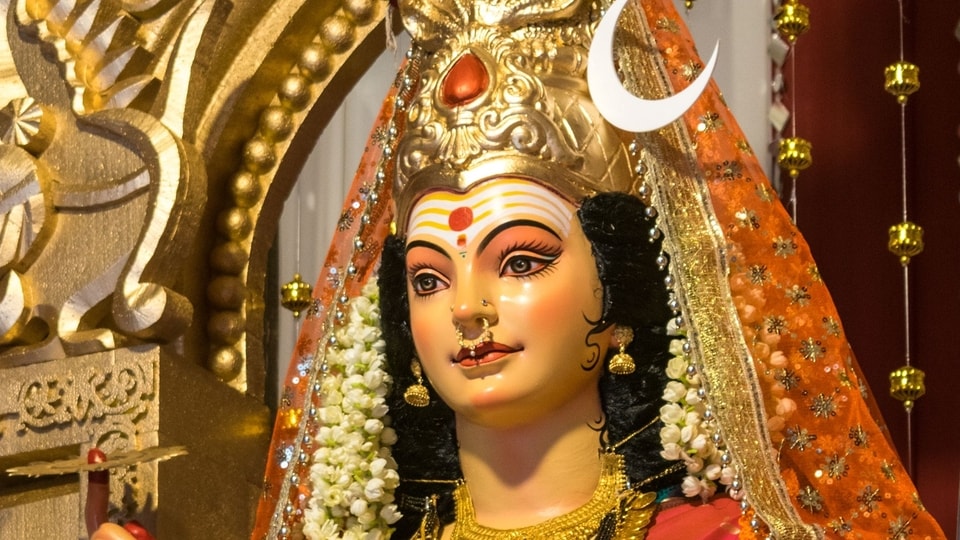
This article will unveil how Navratri can mean more than worship and celebration for spiritual seekers.
Navratri 2026 begins on October 11 and brings nine nights dedicated to Goddess Durga and the different expressions of Shakti. According to Drik Panchang, Navratri begins on October 11, marking the start of Sharad Navratri, with Durga Ashtami and Maha Navami falling on October 19, and Vijayadashami on October 20, 2026.
For spiritual seekers, however, Navratri can mean more than worship and celebration. Spiritual expert Bhavesh Bhimanathani recently explained on Instagram how the nine nights are a journey of working with the forces within you.
What does Navratri awaken within you?
Bhimanathani describes Navratri as a celebration of the awakening of Shakti, or divine feminine energy, within you. He believes the asuras described in the Devi Mahatmyam can also represent inner struggles such as pride, craving, shame, aversion, inertia and deeply rooted patterns.
The nine nights then become a period of facing these patterns instead of allowing them to control you.
Which gods are worshipped in the 9 nights of Navratri?
Ma Kali:
According to Bhimanathani, the first three nights are connected to Ma Kali. She represents the force that helps you confront negativity and emotions that keep you stuck.
You can use this phase to notice habits, fears or attachments that you want to understand more clearly.
Ma Lakshmi:
The middle three nights connect with Ma Lakshmi in this interpretation. Bhimanathani describes this phase as learning how to remain engaged with the world while continuing your inner growth.
You can think of this stage as working with your energy rather than simply trying to suppress difficult emotions.
Also Read What is Navratri Sadhana? Sadhguru explains how to practise it during the 9 days
Ma Saraswati:
The final three nights are dedicated to Ma Saraswati, according to Bhimanathani. She represents knowledge and a deeper understanding of the eternal.
This phase invites you to move towards greater clarity, awareness and inner stillness.
Why does Navratri use the idea of three stages?
Bhimanathani describes the journey through the three gunas, Tamas, Rajas and Sattva. In his explanation, you first confront what keeps you inactive or stuck, then transform and direct your energy, and finally move towards greater clarity and balance.
For a spiritual seeker, this gives the nine nights a simple inner message: first face yourself, then transform your energy, and finally seek clarity.
Also Read Sadhguru on Navratri: What do the 9 days of Navratri mean for spiritual seekers?
How can spiritual seekers approach Navratri spiritually?
You can use the nine nights to create more space for prayer, meditation, silence or self-reflection. Instead of focusing only on what you want to receive, ask yourself what you need to release, transform and understand.
That inner journey forms the spiritual lens through which Bhimanathani explains Navratri and the awakening of Shakti within you.


