
 E-Paper



Midterms may not end Trumpian economic pain
The midterm results instead of pushing Trump to focus on core domestic economic issues could rather push him to aggressively accelerate his international agenda

 Prefer HTon Google


The global political Left (sometimes defined as such in juxtaposition with Rightist outfits rather than any explicit endorsement of Left-wing ideology, economic theory, or politics) has had a good year so far — in Hungary, in Brazil, in Serbia, and, now, in the US.
Right-wing populism, which rose like a wave after the 2007-08 financial crisis across Europe, the US, and Latin America, finds itself in a tough spot this year, thanks to bad economics and policy, high inflation, poor job growth, and rising dissatisfaction amongst the youth disrupting the centralised command of the incumbent Right authoritarians across the globe.
Supply-side economic policies that weakened unions, made workers worse off, and increased inequality before the crisis allowed the Right to gain mass support. But, after coming to power, the actions of most Right-wing leaders have caused more damage than good to the health of their respective economies and the global economy as a whole Now, the tide seems to be turning.
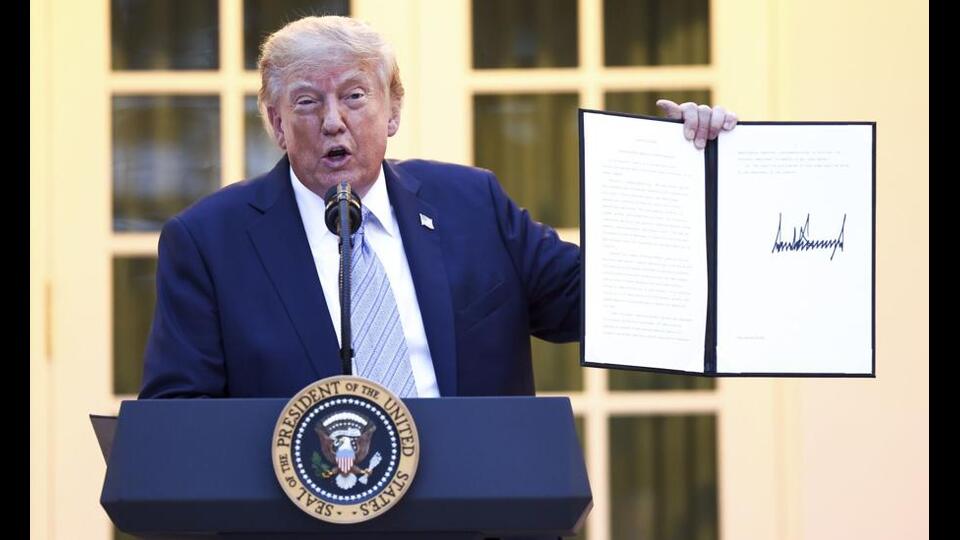
In the just-concluded midterm polls, Americans have humbled Donald Trump and the Republican Party, even in some of the deeply conservative parts of southern and rural America — the Democrats have flipped these seats with ease. Ironically, a similar disruptive trend was seen when Trump was fighting his first election in 2016 and second in 2024. The head-spinning turbulence Americans felt in their everyday lives during Trump’s second term — caused by high inflation, an unnecessary war with Iran, weaponisation of tariffs, and a harsh immigration policy with serious labour economy fallouts, among other factors — precipitated the midterm-2026 disruption. The growing intersection of Trump’s foreign policy and domestic economic anxieties defined Trump’ second term — particularly the war against Iran and the weaponisation of tariffs, which caused energy prices and the cost of living to soar. These Trumpian policy decisions and the US’s retreat from multilateral engagement reinforced the perception among voters that the administration’s international agenda was imposing domestic economic costs without yielding any tangible gains.
Unfortunately, for the Democrats, the structural nature of the concerns — an unsustainably high fiscal deficit, inflation, rising jobless growth, stagnated real wages, and surging inequality — makes a corrective answer difficult over the next two years.
The midterm results, instead of pushing Trump to focus on core domestic economic issues, could rather push him to aggressively accelerate his international agenda over the remaining term of his presidency, making things more volatile — both, at home and elsewhere on the globe.
His weaponisation of tariffs and its impact on global trade — disrupting existing supply chains, and sharply raising import costs — and the energy crisis resulting from his West Asian misadventure can hardly be checked by Capitol Hill and could continue affecting low-middle-income countries adversely if he stays the course on these. This will also continue to give countries such as China, and some of the middle-income powers across regions, more strategic leverage in areas of economic integration, provided they upscale domestic manufacturing and technological capabilities. The stasis in external capital flows, triggered by high US bond yield rates, the dollar’s appreciation, and eyewatering AI-investments, has already caused a massive capital flight from emerging markets.
Foreign policy remains one area where Trump’s power is out of the Democrats reach — he dropped hints of a more muscular foreign policy after election day. Without cooperation from the White House, legislative efforts by Capitol Hill may face procedural obstacles and veto threats. A likely outcome, therefore, may not be a wholesale reversal of Trump’s policies, but an erosion of the ease with which these were financed, defended, and institutionalised.
Another key issue in the coming days is America’s global leadership stature, which has diminished over the two Trump terms. The global community’s trust in the US is perhaps irreparably broken now. The consequences of this mistrust being allowed to grow could be far more punishing. China and Russia could feel less bound in leveraging regional conflicts for their own strategic interest and purposes, causing multilateralism to further erode.
So, do the midterm results move the needle for stability and addressing global economic uncertainties? Yes, and no. They are evidence of a trend of rejection of divisive domestic and international politics. But the next course of action for a global superpower will still be determined by the bellicosity of the person left in charge.
Deepanshu Mohan is dean and professor of economics at OP Jindal Global University (JGU) and a visiting professor at LSE and University of Oxford. The views expressed are personal


