
 E-Paper



Rocket in space to serve people on the ground
India has long been recognised as a space power. The next chapter is about becoming a technology-enabled development power

 Prefer HTon Google


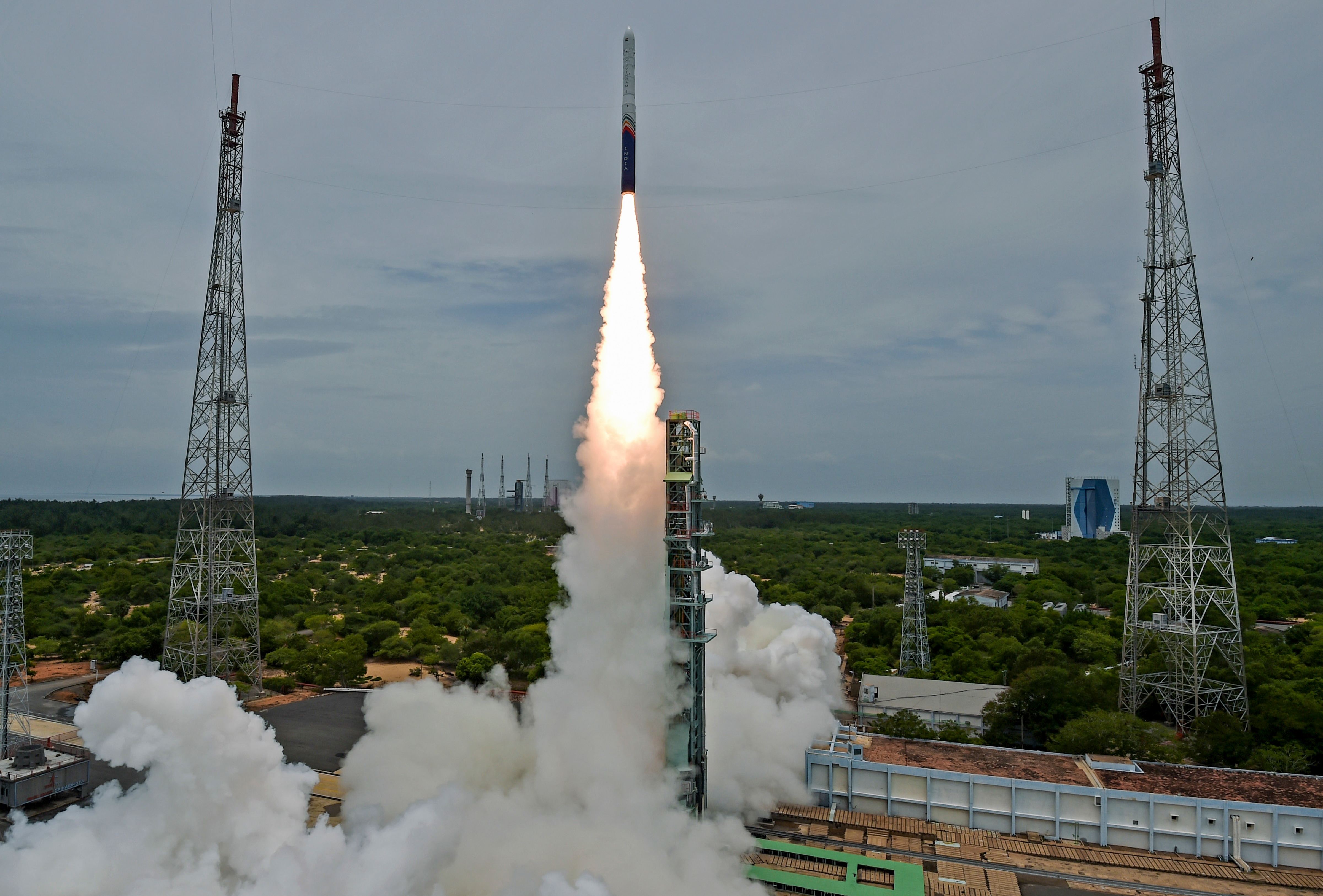
When Vikram-1 lifted off from Sriharikota on July 18, it marked more than a technological triumph. Developed by an Indian startup, Skyroot Aerospace, it became India’s first privately built orbital launch vehicle to successfully reach space. It is not just a story of a rocket. It is a story of public-private partnership and of what that rocket in space can do for people on the ground.
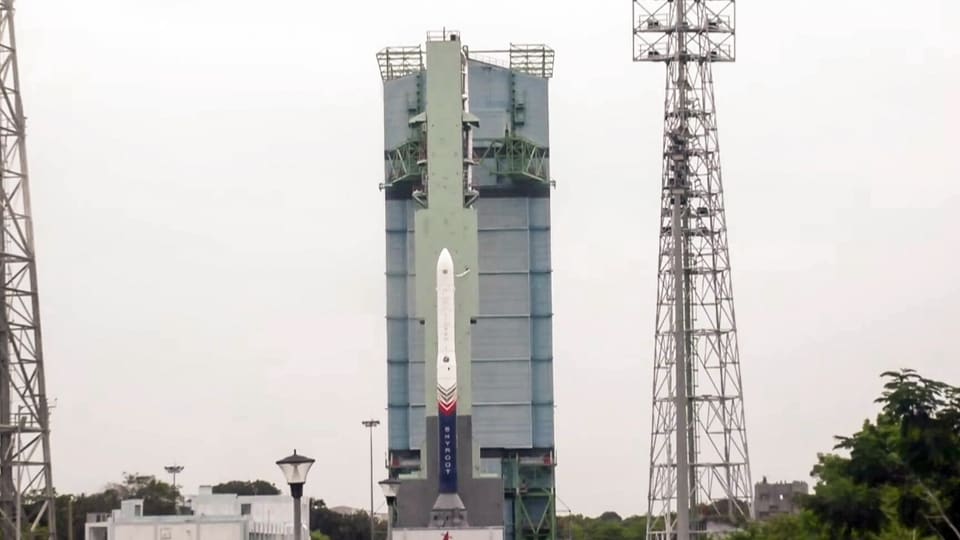
India has long been recognised as a space power. The next chapter is about becoming a technology-enabled development power. Space technology, when combined with artificial intelligence (AI) and digital technologies, holds the potential to transform some of the fundamental development- centric sectors such as agriculture, health care, climate resilience and disaster management. Vikram-1 represents an important step towards that future. As an orbital launch vehicle that will carry small satellites (upto 350 kgs) into orbit — much like a truck carrying goods to their destination -— it is central to satellites that serve important functions in the above-mentioned domains in a much faster and affordable manner. As costs fall, the affordability and use of space-derived information will rise.
Also Read: How Skyroot Aerospace rewrote Indian space history
Such satellites can monitor crop health, soil moisture, and weather patterns across millions of hectares in near-real-time. Combined with AI and digital advisory platforms, these data can generate location-specific recommendations for farmers on critical inputs such as irrigation, fertiliser application, pest management, and harvesting. For over 100 million farm households of India, better information can mean higher incomes, lower risks and greater resilience.
The benefits extend beyond agriculture. Satellites continuously observe forests, rivers, glaciers, coastlines, groundwater, air quality and urban heat islands. This intelligence strengthens early warning systems for cyclones, floods, and heat waves, positioning authorities to act before disasters become humanitarian crises.
For health care, satellites become an enabler by connecting specialists in urban hospitals with remote villages where specialist care is scarce. During natural disasters, when terrestrial communication networks fail, satellite connectivity keeps emergency medical services operational.
Satellites also support disease surveillance by monitoring environmental conditions associated with vector-borne diseases and improve the logistics of delivering medicines and vaccines to difficult-to-reach communities.
An orbital launch vehicle like Vikram-1 can lower the cost of access to space. This is especially important for a country like India where cost of innovation is one of the most critical factors for adoption and scale of innovation. Vikram-1 thus holds the potential to accelerate innovation by startups, universities, state governments and businesses developing satellite-based solutions for agriculture, climate services, logistics, telecommunications and public health.
Also Read: A new phase of space-led industrial growth
India has repeatedly demonstrated that it can build world-class space technology at globally competitive costs. The challenge before us now is not simply to launch more rockets, but to ensure that every launch improves lives on the ground. The true measure of success for Vikram-1 is not the altitude it reaches beyond the sky — but in the value it offers on the ground.
Purvi Mehta is a senior agricultural technologist. The views expressed are personal


