
 E-Paper


How modern homes are moving beyond coordinated decor to reflect personal style and individuality
Home decor is becoming personal, as people are choosing unique designs and colours to suit their needs. Younger generations are reshaping home design trends.

 Prefer HTon Google


Research-Backed Choices
Every product we recommend is chosen through a combination of Primary Research and Secondary Research.
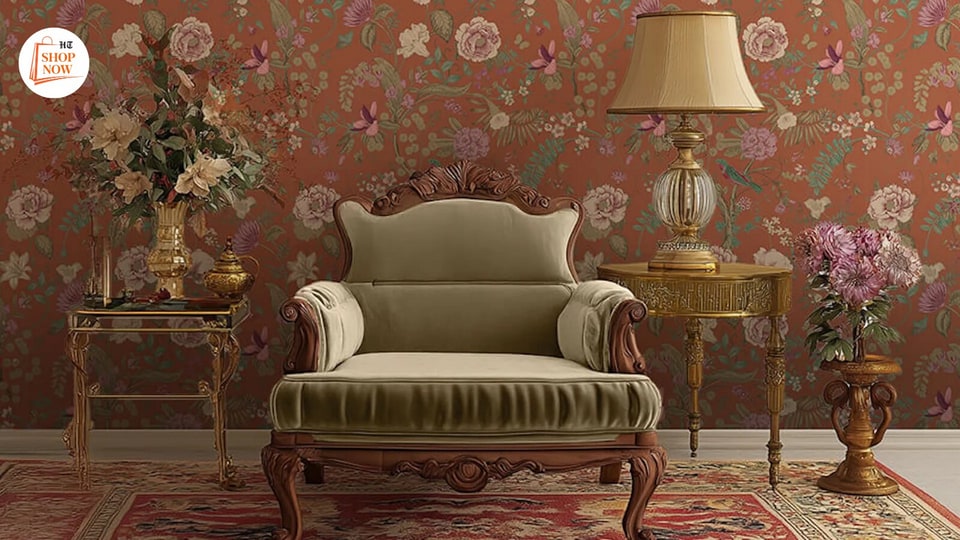

The shift is interesting among younger homeowners and those who live in a rented homes, with Gen Z and millennials becoming more experimental with colours, patterns, furniture and distinctive design elements. Social media has further expanded their exposure to global interiors, while changing urban lifestyles have also made functionality, adaptability and space optimisation important considerations when choosing furniture.
To understand how these preferences are shaping the Indian home decor landscape, we recently spoke with Krsnaa Mehta, founder and design director of India Circus, a Godrej Enterprises brand. In our conversation, we discussed how Indian consumers are expressing their personalities through interiors, why younger generations are approaching furniture differently, and how traditional Indian influences are finding a place in contemporary homes. We also explored the growing interest in wallpapers and multifunctional furniture, along with the opportunities emerging for Indian design-led brands.
1. What are the biggest changes you have observed in how Indian consumers approach home decor, and how are homes becoming expressions of personal identity?
The biggest shift I have observed is that consumers are increasingly moving away from the idea of a perfectly coordinated home towards spaces that reflect their individual personalities. People are choosing pieces that resonate with them, whether it is a colour, a print, a piece of art or an object they have discovered while travelling. The idea that everything needs to match is gradually giving way to a more eclectic approach to decorating.
Personally, I have always leaned towards variety, so I find this evolution exciting. A home should tell a story about the people who live in it, rather than look like a catalogue. At the same time, individuality comes with a certain degree of consideration. Not every trend or object needs to find its way into a home. The real art lies in understanding what resonates with you and building a space around it, one that feels personal, considered and timeless.
2. How are Gen Z and millennials influencing furniture and home decor trends, particularly in their preference for individuality, colour and distinctive designs?
As a millennial working closely with Gen Z, I find the generational differences fascinating. Younger consumers are exposed to an unprecedented volume of visual information, and social media has significantly expanded their awareness of design, colour and global aesthetics. They are curious, experimental and often willing to embrace combinations that previous generations might have approached more cautiously.
However, there is also a distinction between being inspired by something and truly understanding its value. A design may catch someone's attention online, but appreciating the thought, craftsmanship and artistic intent behind it requires a different level of engagement. At India Circus, we pay close attention to how consumer preferences evolve. Our monthly reviews help us understand which colours, designs and categories are resonating with different audiences, while allowing us to balance these insights with our own design sensibilities. The objective is not simply to follow what is popular but to understand why it connects with people and translate that understanding into designs with lasting appeal.
3. Are younger consumers approaching furniture as a statement of personal style rather than simply a functional purchase? How is this changing furniture design?
I believe it is both. Functionality and personal expression are not mutually exclusive, and the most successful furniture brings the two together. Consumers today want furniture that serves a practical purpose while contributing to the overall character of their homes. This is encouraging a more thoughtful approach to design, where proportions, materials, colours and finishes become as important as utility. A side table or a chair can solve a functional need while also becoming a distinctive design element. At India Circus, we see furniture as an opportunity to bring our design language into the living space in a more tangible way. The aim is to create pieces that are practical enough for everyday living but distinctive enough to make a room feel personal.
4. With urban homes becoming increasingly space-conscious, what opportunities do you see for multifunctional, modular and space-efficient furniture?
There is considerable opportunity in this category as urban living evolves and consumers look to make the most of the space available to them. As homes become more compact, furniture needs to work harder without compromising on aesthetics. Space-efficient design is no longer just an added convenience.
At India Circus, we see interest across different formats, from pouffes that offer versatile seating to folding tables that can be adapted to changing needs. This focus on combining functionality with thoughtful design is also reflected in the wider Godrej ecosystem, with Godrej Interio placing considerable emphasis on space optimisation and intelligent furniture solutions. I believe the next phase of furniture innovation will focus on adaptability, ease of use and intelligent utilisation of space, while ensuring that every piece continues to contribute to the visual character of a home.
5. How are social media platforms changing the way younger Indians discover design trends and make home decor purchasing decisions?
Social media has transformed design discovery. Consumers can now encounter a design, a space or a particular aesthetic from anywhere in the world and immediately begin imagining it in their own homes. This has made design more accessible and expanded the vocabulary with which people approach their spaces.
However, one interesting consequence is the ability to search for an exact replica of something seen online. When the original piece is unavailable, consumers often look for the closest alternative, sometimes overlooking what makes the original design distinctive. Every material, print and object has its own identity, shaped by the designer's intent, the creative process and, in many cases, the work of skilled artisans. I believe social media is most valuable when it inspires curiosity rather than imitation. For design-led brands, the opportunity lies in helping consumers look beyond the visual appeal of a product and appreciate its story, materiality and craftsmanship. Inspiration should be the starting point for developing one's own aesthetic, not necessarily a pursuit of an identical outcome.
6. How do you translate India's cultural heritage, colours and traditional motifs into contemporary designs that appeal to younger consumers?
For me, Indian design is not about recreating the past; it is about interpreting it through a contemporary lens. India has an extraordinary visual vocabulary, from its architecture, landscapes and flora to its textiles, crafts and regional traditions. These influences offer an endless source of inspiration, but the challenge is to reinterpret them in ways that feel relevant to how people live today.
At India Circus, our design philosophy centres on celebrating India's colours, patterns and cultural influences while giving them a fresh, modern expression. This could mean reimagining a traditional motif through a contemporary colour palette, drawing inspiration from the natural world, or combining heritage references with unexpected compositions. The intention is to create designs that feel distinctly Indian without being confined to nostalgia. I believe younger consumers are increasingly receptive to this approach because they want products with character and a sense of origin, presented in a way that feels individual, contemporary and relevant to their homes.
7. Furniture and wallpapers are emerging as growth categories for India Circus. What consumer trends are driving this expansion, and how do you see these categories evolving?
We are seeing consumers become more confident about treating their homes as complete design environments rather than focusing only on individual decorative accents. Furniture and wallpapers play an important role in this shift because they have the ability to transform the character of a space more fundamentally. Wallpapers allow consumers to introduce colour, pattern and personality without undertaking a structural renovation. They offer an opportunity to create a focal point, define a space or introduce a distinctive design language into an otherwise understated room. Furniture extends this expression through form, function and materiality, bringing design into the everyday experience of living.
For India Circus, these categories are a natural extension of our strengths in prints, colour and contemporary Indian aesthetics. As consumers become more conscious of personalising their homes, I see opportunities for both categories to evolve through greater design variety, versatile formats and solutions suited to different home sizes and lifestyles. The larger opportunity is to help consumers create cohesive yet individual spaces across categories, while allowing each product to retain its own character.
8. What are the biggest opportunities and challenges for design-led brands operating in this market?
India's home decor market presents a significant opportunity as consumers increasingly view their homes as an extension of their personalities and lifestyles. Greater exposure to global design, evolving urban lifestyles and a growing interest in personalisation are encouraging consumers to look beyond purely functional purchases. There is considerable room for brands that combine distinctive design with quality, accessibility and relevance to Indian homes.
For design-led brands, one of the biggest opportunities lies in making considered design accessible to a wider audience without diluting the creative vision behind it. At the same time, the challenge is to remain responsive to changing consumer preferences while maintaining a consistent brand identity, product quality and value.
9. Looking ahead, how do you see Indian design brands balancing cultural authenticity with changing consumer preferences and international expansion?
I believe cultural authenticity becomes most powerful when it is allowed to evolve. Indian design has never been static; it has continually absorbed influences, adapted materials and techniques, and responded to changing ways of life. The challenge today is to carry that spirit forward without reducing Indian culture to a set of recognisable motifs or visual appeal.
For brands such as India Circus, the opportunity lies in interpreting India's rich cultural and natural heritage through a contemporary design language that feels relevant both at home and internationally. This requires a clear understanding of what makes the brand distinctive, alongside the flexibility to respond to different markets, lifestyles and consumer expectations.
Disclaimer: At Hindustan Times, we help you stay up to date with the latest trends and products. Hindustan Times has an affiliate partnership, so we may get a part of the revenue when you make a purchase. We shall not be liable for any claim under applicable laws, including but not limited to the Consumer Protection Act, 2019, with respect to the products. The products listed in this article are in no particular order of priority.


