
 E-Paper



A Reined In Jensen Huang Is Nvidia’s Best Option
A more restrained chief would suit the chip giant well for the next phase of the AI boom.


 Prefer HTon Google


Nvidia’s alleged Chinese spy scandal might curb some of the more cavalier instincts of the company and its AI rock star chief executive, Jensen Huang. That wouldn’t ultimately be such a bad thing for Nvidia and its investors.
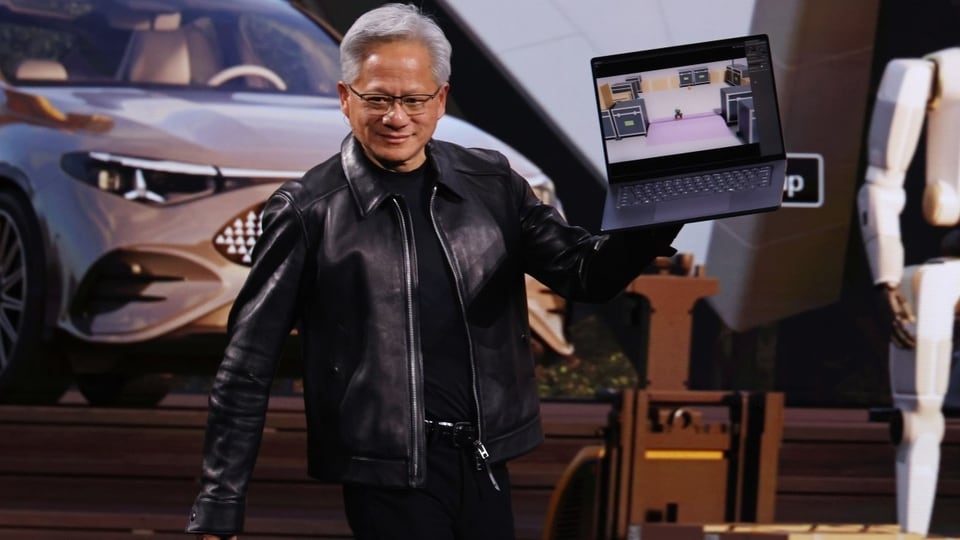
The task for Nvidia now is to find a way to keep Huang on while reassuring shareholders, the government and the general public that it takes national security risks seriously. That in turn should help Nvidia mature into a company better suited to the current state of the AI industry.
Huang, who co-founded Nvidia in the 1990s and has been its chief executive since, has long pushed for fewer limits on his company’s dealings with China, even as the political winds in Washington drifted the other way. He has courted customers on frequent trips to China and other parts of Asia where computing infrastructure often serves Chinese customers.
Deep Dive

He is also seen by investors as the company’s charismatic key man, something its unique board and reporting structures reinforce. Nvidia’s stock would have fallen much more than 4% on Monday if shareholders believed he could be ousted. Nvidia’s board of directors said Sunday that it had confidence in him and had no reason to believe national security interests were compromised.
Nvidia has long tried to manage around national security restrictions. When the Biden administration imposed limits on the performance of chips that could be shipped to China, Nvidia developed versions of its AI chips for the Chinese market that satisfied the requirements. President Trump, with whom Huang has cultivated a close relationship, eased some of those limits, allowing older-generation chips to be sold to China, but hasn’t opened the floodgates for Nvidia’s more advanced chips.
Nvidia has kept trying. To win approval to ship more chips to China, Huang agreed to give the U.S. a 25% cut of its sales of H200 chips for the Chinese market last year. Keeping Nvidia active in China, Huang argued, was in the U.S.’s best interest: Better for China to be hooked on Nvidia’s chips than be motivated to develop domestic alternatives.
With Huang’s admission of an intimate relationship with a Singapore-based data center executive who U.S. officials believe fed intelligence to China, such arguments no longer hold much water. The scandal demonstrates that the national security and reputational risks of chasing Chinese revenue aren’t anywhere close to worth it.
Nvidia will likely have to implement new policies to police its own sales in China and other markets like Singapore that could serve as conduits to Chinese customers. To retain Huang at the helm, it may need to put in place new mechanisms or structures for monitoring national security risks that are credibly independent of him. This may even entail changes to its unusual board structure, which has no chairman role.
The company doesn’t have a lot to lose in dialing back direct sales to China. Chinese revenue was $7.8 billion in the company’s most recent quarter, or about 8% of its total.
The scale of Nvidia’s indirect business with China is harder to discern. That is in part because markets like Singapore or Southeast Asia aren’t broken out in its geographic breakdown of sales, which lists only the U.S., China, Taiwan and a small allocation to “other.” (Singapore is where Megaspeed, the company whose former chief executive Huang had a relationship with, is based.) The picture is also likely obscured because Nvidia generally sells chips to computer-server manufacturers who in turn sell to customers all over the world.
In light of recent events, investors would certainly be justified in demanding greater transparency on where Nvidia’s ultimate demand is coming from. Regardless, though, any new scrutiny on international customers is likely to be a manageable hit for the company because demand in markets like the U.S. is so high, with many customers unable to get the supply of chips they desire.
Even without the Megaspeed affair, a less-flashy and more restrained Huang would be a better fit for the era Nvidia is entering. Huang has ridden the AI boom to dizzying heights, jetting around the world in his trademark black leather jackets to sell AI as a new industrial revolution with Nvidia’s chips filling its digital factories.
That sales pitch—coupled with state-of-the-art chips and unmatched dominance in AI-chip software—helped make Nvidia into the behemoth it has become. And the company is still growing strongly, including a more than 90% year-over-year rise in revenue forecast for the fiscal quarter it is set to report next week.
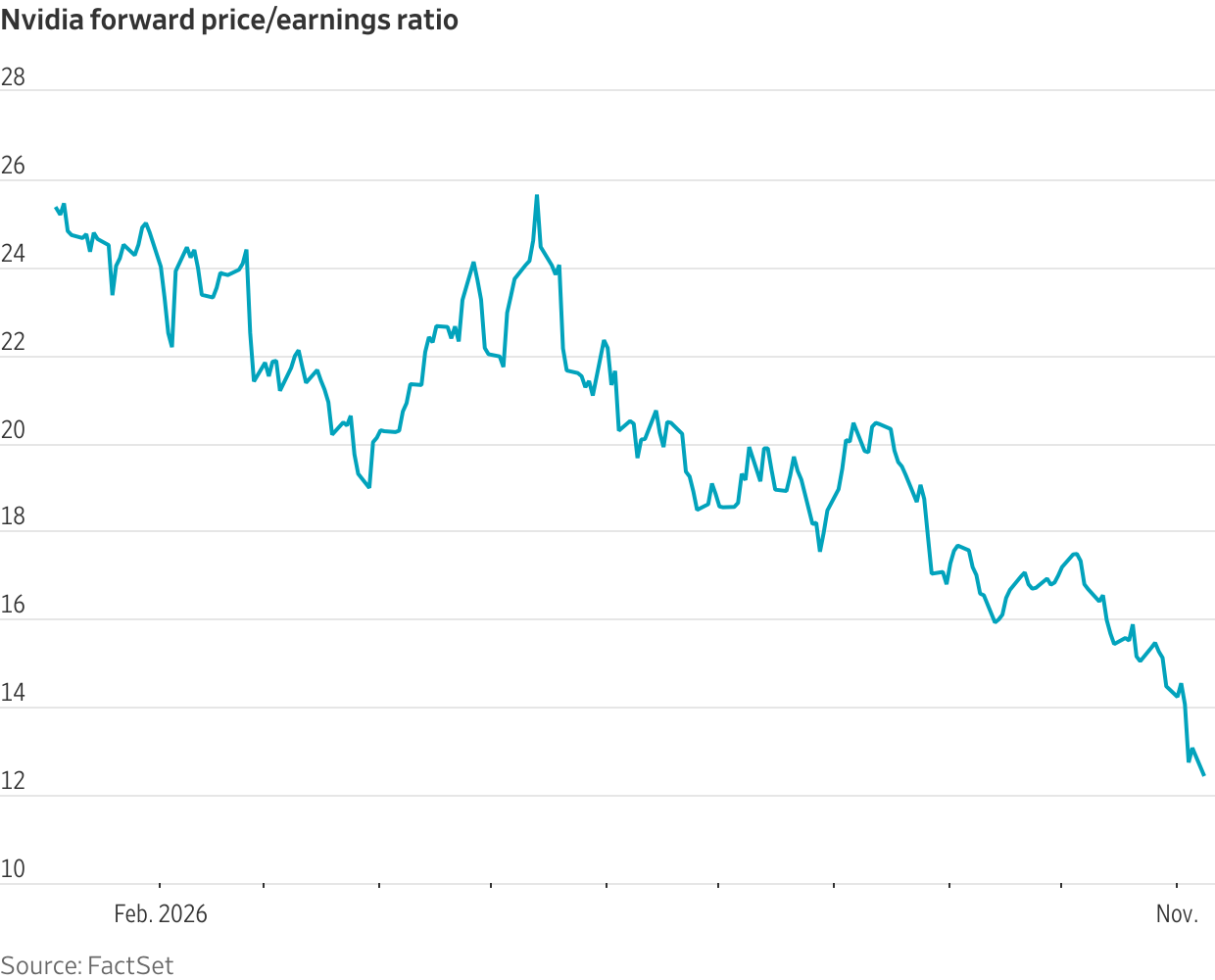
But Nvidia’s growth is expected to moderate in each successive quarter, slowing to 69% in about a year’s time, according to analyst forecasts compiled by FactSet. The company’s stock looks cheap—its price to forward earnings ratio of around 12 is at its lowest point in more than a decade. But markets are pricing in a huge dollop of uncertainty about the health of the AI boom.
Tighter constraints on the capital customers need to keep buying expensive chips could easily put more sticks in Nvidia’s tires. That may transform Nvidia from a company at the vanguard of the boom into merely a provider of critical equipment for it—a solid role to occupy, even if it isn’t quite as exciting.
Huang donned his leather jacket to appeal to a customer base of computer gamers, long before AI took off. It conveyed Huang’s gusto and edginess—traits that served him better in that era than they do now.
Write to Asa Fitch at asa.fitch@wsj.com and Aaron Back at aaron.back@wsj.com


