
 E-Paper



Addressing the role of United States in Israel-Palestine crisis. How should they respond?
The Biden govt. must acknowledge the current war crisis and pursue a comprehensive approach

 Prefer HTon Google


The Israel-Palestine conflict has once again flared up for the Hamas attack that started on Saturday, with devastating consequences for both sides. It is a moment of reckoning for the United States, which has the potential to play a pivotal role in resolving the root causes of this ongoing crisis. The situation demands a comprehensive approach that considers the grievances of both Palestinians and Israelis, aims for a just and lasting peace, and seeks to avoid further bloodshed.
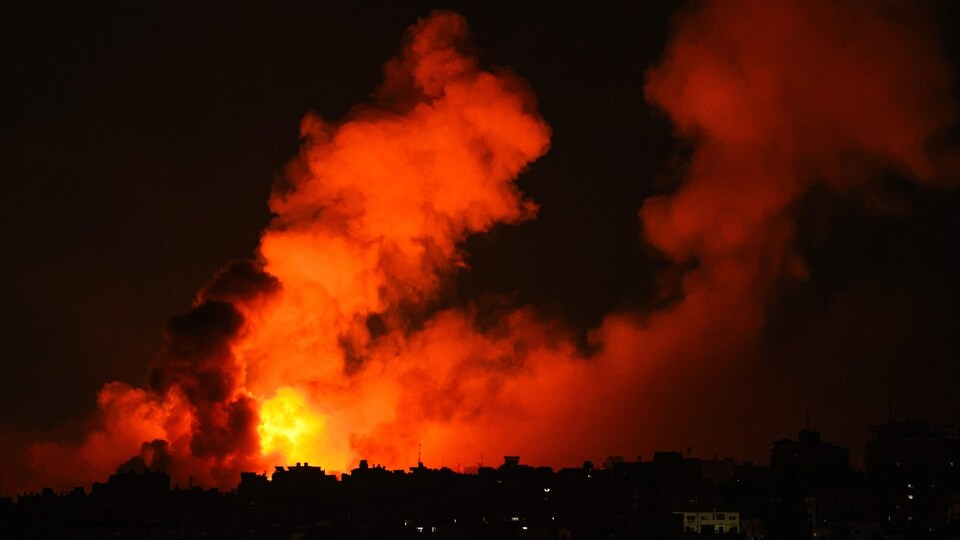
The following outlines the appropriate U.S. response to the Israel-Palestine crisis:
1. Acknowledging the current war crisis
I. The recent events in the Middle East have brought the region to the brink of a broader regional war, posing a significant threat to peace and stability.
II. Israel's massive military campaign in Gaza, while aimed at Hamas, inevitably results in civilian casualties, exacerbating long-standing grievances.
2. Pursuing a more comprehensive approach
I. The U.S. must avoid a one-sided approach and consider the root causes of political violence in Palestine, addressing the longstanding grievances of the Palestinian people.
II. Simply condemning Palestinian violence while ignoring its causes perpetuates the cycle of conflict and hatred.
III. A genuine effort to resolve the core issues of the Israel-Palestine conflict is essential.
“Though it is unlikely to do so, the US has the power to stop the bloodshed. It must exert maximum pressure on Israel and Hamas to do what basic human decency dictates: free the Israeli hostages immediately, end the bombing and end the blockade of Gaza,” Joshua Leifer, Dissent editorial board and a contributing editor at Jewish Currents stated.
3. Rethinking U.S. support
I. The U.S. has historically been a staunch supporter of Israel, providing substantial financial, military, and diplomatic support, which has been instrumental in maintaining the status quo.
II. Recent U.S. actions, such as condemning Palestinian violence without addressing underlying structural violence against Palestinians, are unhelpful.
4. Lifting the siege, ending the war, and dismantling apartheid
I. A durable peace in the region necessitates addressing the root issues: ending the occupation, lifting the Gaza blockade, and dismantling Israeli apartheid.
II. U.S. policies have, to some extent, obstructed the path to peace by providing unconditional support to Israel.
III. The U.S. should reconsider its role in perpetuating these structures of violence.
“The other path is one the US has generally failed to take, and that is to make an immediate and genuine effort to resolve the root causes of political violence in Palestine by addressing the long-standing grievances of the Palestinian people, who have been denied their basic rights to freedom and dignity by the US’s ally, Israel,” Yousef Munayyer, the head of the Palestine-Israel program at the Arab Center in Washington DC cited.
5. The way forward
I. The U.S. can play a pivotal role by exerting pressure on both Israel and Hamas to release hostages, cease the bombing, and lift the blockade of Gaza, in accordance with basic human decency.
II. Diplomacy should be prioritized over military action, with an emphasis on achieving a just, long-term resolution to the conflict.
III. Failure to reach such an accord could lead to a catastrophe of unimaginable proportions in the region.
6. A new paradigm for peace
I. U.S. should recognize that a just and lasting peace cannot be achieved by maintaining the status quo of indefinite occupation and siege.
II. Addressing the root causes of violence, ensuring basic rights and dignity for both Palestinians and Israelis, and pursuing diplomacy are essential steps toward lasting peace.
III. It is time for the U.S. to reevaluate its approach, rethink its unqualified support, and commit to being a constructive force in resolving the Israel-Palestine crisis.
ALSO READ| US libraries are under threat from digital assault, can they be saved?
In this war-wounded moment, the United States holds the power to influence the course of events in the Middle East. By embracing a comprehensive, balanced, and diplomatic approach, the U.S. can contribute to the establishment of a just and lasting peace that benefits Palestinians and Israelis alike.


