
 E-Paper



Canada OKs drug decriminalisation test in British Columbia
The policy approved by federal officials doesn’t legalize the substances, but Canadians in the Pacific coast province who possess up to 2.5 grams of illicit drugs for personal use will not be arrested or charged

 Prefer HTon Google


Canada’s government said on Tuesday it will allow British Columbia (BC) to try a three-year experiment in decriminalizing possession of small amounts of drugs, seeking to stem a record number of overdose deaths by easing fear of arrest by users in need of help, less than four years since Canada became the first Group of Seven (G7) nation to legalise use of cannabis.
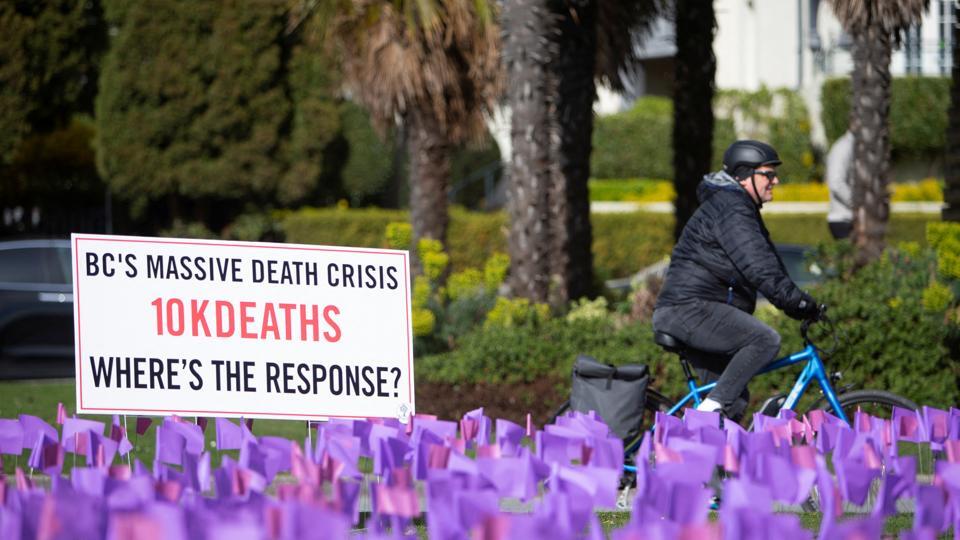
The exemption came after a request from the province which is facing a public health crisis with more than 9,400 deaths as a result of drug overdose since 2016.
The exemption will last from January 31, 2023 to January 31, 2026, and adults 18 and over in BC will not be subject to criminal charges for the possession of up to 2.5 grams of certain illegal drugs for personal use.
Four types of illegal drugs have been identified for this purpose: opioids including heroin, morphine and fentanyl, cocaine including crack, methamphetamine and ecstasy.
“We are granting this exemption because our government is committed to using all available tools that reduce stigma, substance use harms, and continuing to work with jurisdictions, to save lives and end this crisis,” Canada’s minister of mental health and addictions and associate minister of health Carolyn Bennett said in a statement.
The move is only to decriminalise the use of these specific narcotics, and does not mean they are legalised, meaning while the drugs remain illegal, adults holding less than 2.5 grams for personal use will no longer be arrested, charged or have their drugs seized.
“Substance use is a public health issue, not a criminal one,” said Sheila Malcolmson, minister of mental health and addictions for the province said. “By decriminalising people who use drugs, we will break down the stigma that stops people from accessing life-saving support and services.”
“This exemption is a vital step to keeping people alive and help connect them with the health and social support they need,” provincial health officer Dr Bonnie Henry said, according to a statement. Cannabis use was legalised in Canada in October 2018.
(With inputs from agencies)


