E-Paper



Eisenkot ally Matan Kahana elected Israeli parliament speaker in setback for Netanyahu
Matan Kahana, an ally of opposition leader Gadi Eisenkot, secured 66 votes in the 120-member Knesset.

 Prefer HTon Google


Israel's parliament elected Matan Kahana as its new speaker on Tuesday, giving Benjamin Netanyahu's opponents greater control over the legislature as they seek to reverse several controversial government policies.
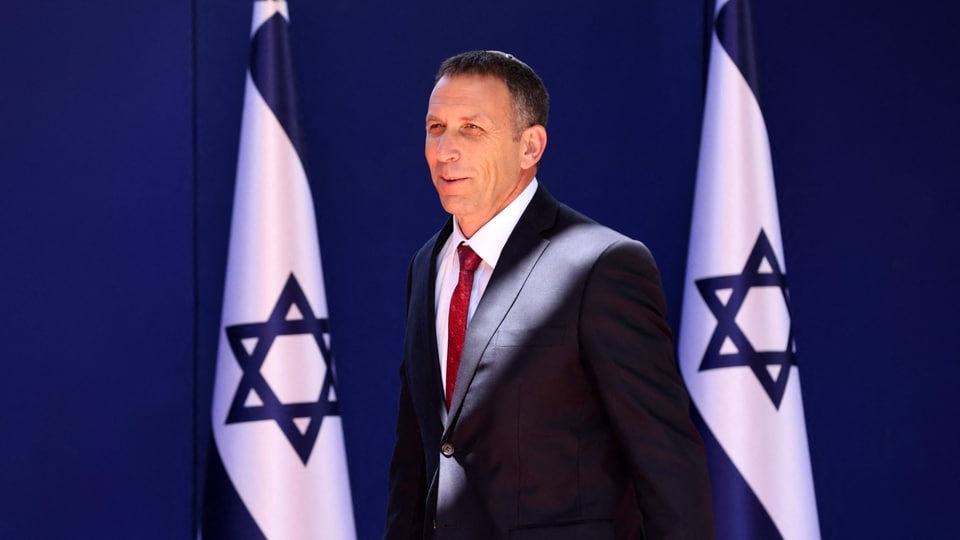
Kahana, an ally of opposition leader Gadi Eisenkot, secured 66 votes in the 120-member Knesset.
Ofir Katz, backed by Netanyahu's Likud bloc, received 52 votes after a debate lasting more than seven hours.
Kahana received support from both Jewish-led opposition parties and Arab-led parties.
Eisenkot welcomed the result, calling it a democratic step that reflected public support for political change.
"I will be a Knesset speaker for everyone, irrespective of race, religion or gender," said Kahana during his inauguration speech immediately after the vote.
Netanyahu's opponents seek to form new government
The vote follows the October 27 parliamentary elections, in which Netanyahu and his allies lost their majority.
Israel's president has tasked Eisenkot with forming the next coalition government. He has up to five more weeks to secure enough support.
Why the new speaker matters
The speaker plays an important role in deciding which bills reach the floor and how quickly parliament considers them.
Kahana's election gives Netanyahu's opponents an advantage in advancing their legislative agenda.
Assaf Shapira of the Israel Democracy Institute told AP that the speaker could speed up or delay the legislative process.
Kahana replaces Amir Ohana, a close Netanyahu ally.
However, the opposition faces a time constraint. If Eisenkot fails to form a government, the president could give Netanyahu another opportunity to build a coalition.
That could shift control of key parliamentary committees back towards Likud, potentially slowing the opposition's plans.
Also Read: Israeli army uploaded over 3 million photos to Amazon's cloud platform to track Palestinians: Report
Which Netanyahu-era policies could be reversed?
Eisenkot's bloc is expected to prioritise reversing laws that expanded the government's influence over judicial appointments and weakened the authority of Israel's attorney general.
These changes could be easier to reverse because they would not require creating new institutions, Shapira told AP.
The proposed inquiry into the October 7 attack is another major priority.
Netanyahu's critics have accused him of resisting an independent investigation into security and intelligence failures surrounding the attack, which was the deadliest in Israel's history.