E-Paper



In 2025, Japan’s environment ministry showcased Fukushima cleanup soil reused in managed public works, with final disposal outside due by 2045
Japan is using some low-radioactivity soil from the Fukushima cleanup in public works to reduce waste needing disposal by 2045.

 Prefer HTon Google


For years, huge quantities of soil dug up during the cleanup of Fukushima have been stored in vast facilities near the site of the 2011 nuclear disaster. Now, Japan is trying something unusual with some of it: putting the soil back into public infrastructure under strict controls.
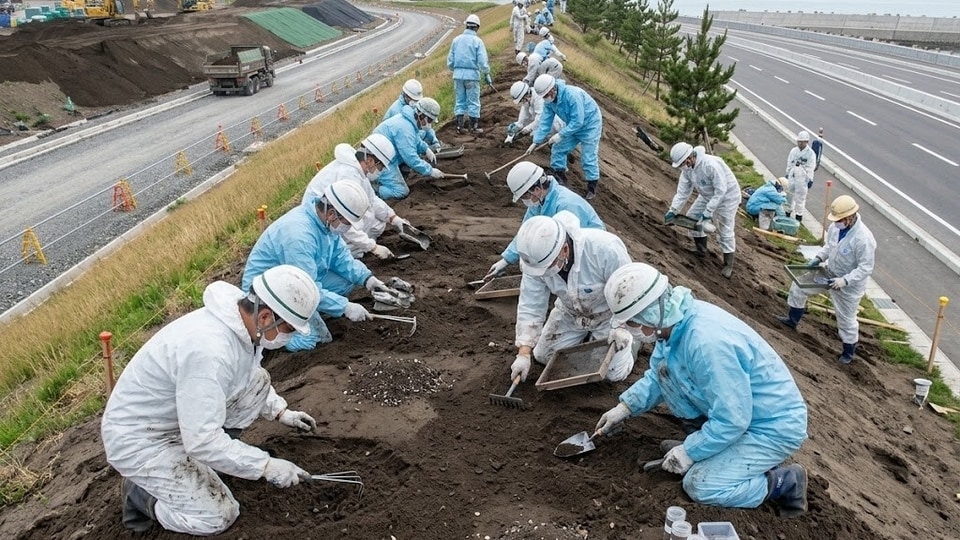
Japan is giving some of the soil removed during the Fukushima nuclear cleanup a second life by using it in carefully controlled public works instead of sending all of it to permanent disposal. Japan’s Ministry of the Environment states that final disposal of removed soil and other waste generated by the cleanup must be completed outside Fukushima by March 2045. Rather than sending all of the material to a permanent disposal site, the government plans to reduce the amount requiring disposal by recycling soil with low levels of radioactive contamination in carefully managed public works.
Why is Fukushima soil still being stored?
The soil was removed during extensive decontamination work following the Fukushima Daiichi nuclear power plant accident. Workers scraped contaminated topsoil from residential areas, farmland and other locations and transported it to an Interim Storage Facility covering about 1,600 hectares in the towns of Okuma and Futaba. By the end of March 2025, about 14.08 million cubic meters of removed soil and waste had been transported to the facility.
The storage site was intended to be temporary; however, the government later set a deadline for final disposal. Under Japanese law, the government must take the necessary measures to complete final disposal outside Fukushima within 30 years of the start of transportation to the facility, putting the deadline at March 2045. That creates a difficult problem: moving millions of cubic meters of material elsewhere would require a large disposal site, while keeping everything in Fukushima would conflict with the promise that the material would eventually leave the prefecture. The government therefore began investigating whether some of the less-contaminated soil could instead become a construction material.
How can contaminated soil be reused?
The approach is known as managed recycling. It does not mean simply taking contaminated earth and spreading it around. Soil must first meet specified radioactivity standards and then be used in projects where its movement, exposure, and long-term condition can be controlled. In March 2025, Japan's Environment Ministry established formal standards for managed recycling. Recycled material made from removed soil must contain radioactive cesium at 8,000 becquerels per kilogram or less, a level the ministry says corresponds to an additional effective dose of no more than 1 millisievert per year under the relevant exposure scenario.
In addition, there should be a mechanism to prevent the material from dispersing or washing away. Radiation dose monitoring must take place during construction, operation, and maintenance of the facilities, along with the documentation of the location, amount, and radioactivity of the recycled soil. The Environment Ministry has required covering in some cases, with the recycled soil placed beneath a layer of uncontaminated material to limit environmental exposure. The government had already tested the approach before setting these standards. Some demonstration projects were carried out in Fukushima; among them were an agricultural land project in the Nagadoro area of Iitate Village and a road embankment project in the Interim Storage Facility.
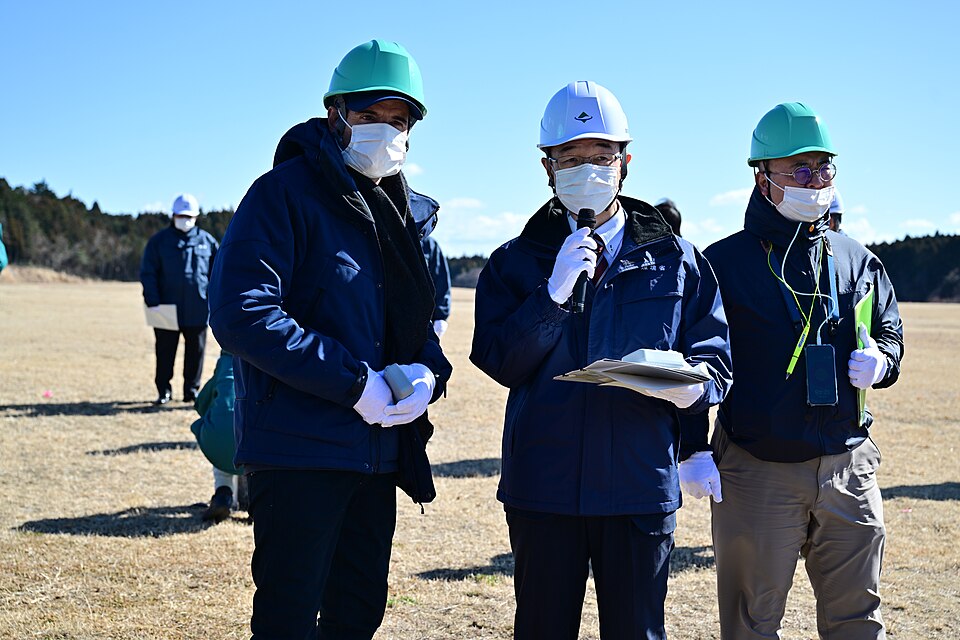
What happens to the rest by 2045?
The organization is also researching technologies that can help separate and process the extracted materials in such a way that more volume of low-radioactivity soil could possibly be recycled while keeping the radioactive soil at a minimum volume that needs to be disposed of. Among the technologies being researched are soil sorting and heat treatment.
The strategy requires balancing safety, waste management, and public acceptance. Despite such soil passing all required tests, Japanese society in other parts of the country might have a problem accepting soil contaminated with radioactive materials linked to the Fukushima disaster. The authorities have treated public awareness as a separate part of the strategy alongside recycling and disposal. The interim facility stores soil collected during the world's largest nuclear decontamination effort.
It is an attempt to turn part of a long-term waste problem into a controlled resource while reducing the burden of final disposal. Whether the approach can be expanded beyond demonstration projects, gain broad public acceptance, and ultimately help meet the 2045 deadline remains one of the most consequential questions in Fukushima's continuing recovery.