E-Paper



In the 1900s, invasive goats damaged Española Island’s habitat as 15 tortoises formed a breeding group; by 2020, more than 2,300 lived there
Española Island’s giant tortoises recovered through decades of captive breeding and releases after hunting and invasive goats threatened the population.

 Prefer HTon Google


Española Island in Ecuador’s Galápagos archipelago came close to losing its giant tortoise population. Just 15 animals formed the founding group for a long-term conservation program that eventually returned thousands of tortoises to the island. By 2020, more than 2,300 Española giant tortoises lived there, including animals born in the wild. The recovery marked a major conservation achievement, although the return of the species did not automatically restore every part of its habitat.
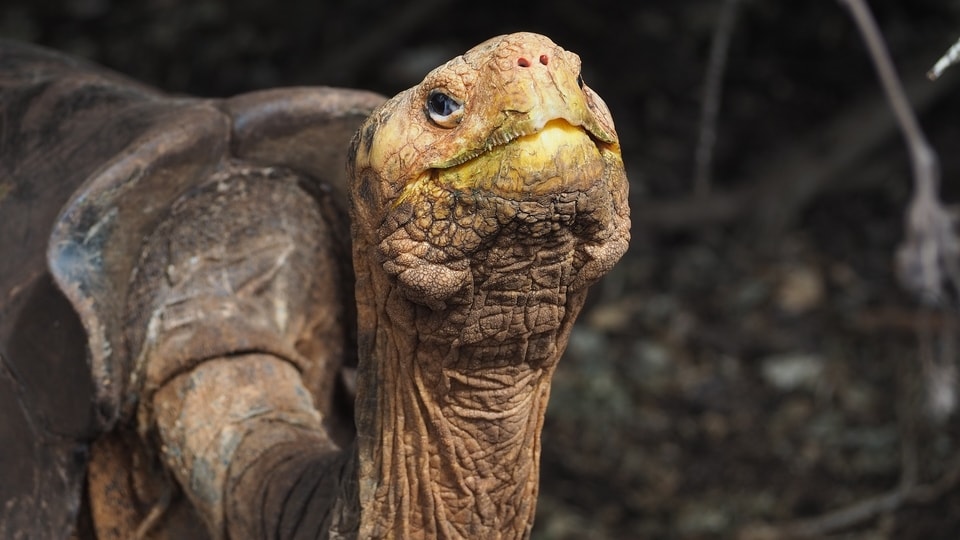
A 2014 study published in PLOS ONE by James P. Gibbs and his colleagues examined the results of the decades-long effort. The researchers assessed tortoise survival, reproduction, movement, and interactions with vegetation. Their findings indicated that the reintroduced population faced a low risk of extinction, but limited food availability and dense woody vegetation could restrict its further growth and expansion across the island.
How Española’s tortoises came close to extinction
The Española giant tortoise (Chelonoidis hoodensis) declined sharply over centuries as people captured the animals for food. Introduced goats added to the pressure by consuming vegetation and altering the island’s plant communities. Their grazing reduced the availability of important food sources and contributed to changes in the habitat that tortoises had historically used.
Deep Dive

A 2013 study published in Evolutionary Applications documented the small founding population. Researchers found 14 Española giant tortoises on the island, comprising 12 females and two males. A male from the San Diego Zoo was subsequently added to the group, bringing the breeding population to 15 animals.
Removing the invasive goats was another essential step in the recovery effort. The eradication program was completed in 1978, ending the pressure caused by their grazing and allowing vegetation to recover. However, removing the goats did not immediately reverse decades of ecological change. Restoring the tortoise population also required sustained breeding efforts and the release of animals into the wild.
Breeding tortoises for decades restored their population
The captive-breeding program began in the mid-1960s. Young tortoises were raised under human care until they were large enough for release, reducing their vulnerability during their early development. The first releases took place in 1975, and the program continued for decades. These releases began before goat eradication was complete, so the two conservation efforts overlapped.
The Evolutionary Applications study found evidence that released tortoises were reproducing naturally. Among the sampled animals, the proportion born in the wild increased from none in 1994 to 3% in 2004 and 24% in 2007. These figures documented a growing contribution from natural reproduction, despite the limited genetic diversity of the founding population.
The researchers also estimated that about half of the tortoises released since 1975 were still alive in 2007. This finding helped establish that released animals could survive over the long term. Their analysis suggested that the population could remain viable without continued releases, although habitat conditions would still influence how widely the tortoises could spread.
In June 2020, Galápagos Conservancy reported that the 15 founding tortoises had returned to Española after 55 years of the breeding program. Nearly 1,900 tortoises had been released onto the island, and the total population had grown to more than 2,300. The difference between the number released and the total population reflects the contribution of reproduction in the wild, alongside the survival of released animals. The 2007 genetic findings and the 2020 population estimate represent different measures taken at different times, rather than directly comparable counts.
Why habitat restoration continues to be necessary
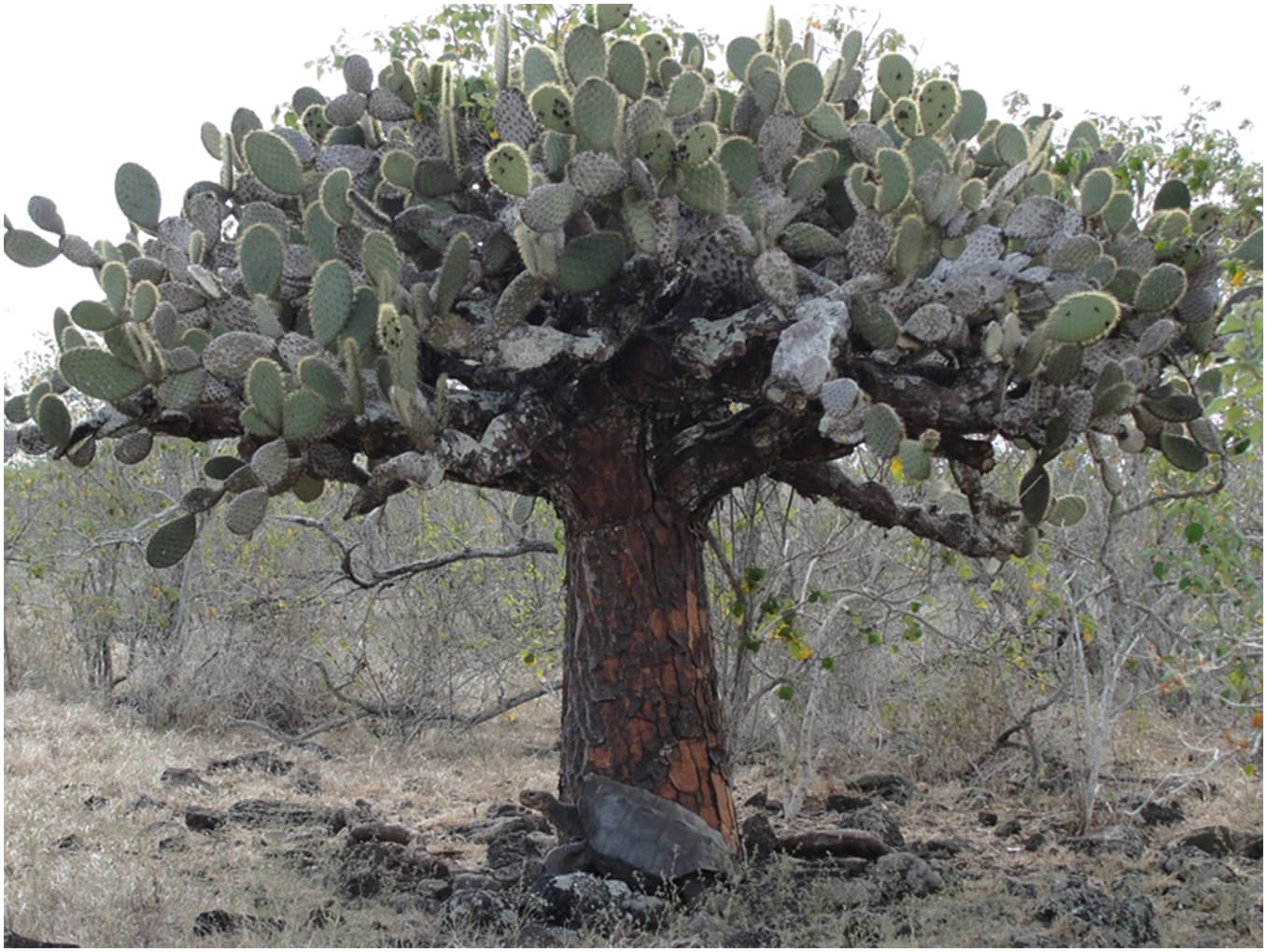
A larger tortoise population does not necessarily mean that the animals can use all available habitat. The 2014 PLOS ONE study found that tortoises tended to occupy areas with abundant mature prickly pear cactus and relatively low densities of woody vegetation. Cactus provides an important food source and helps supply moisture, making its availability significant for tortoise survival.
Dense woody growth can limit tortoise movement and compete with cactus, reducing access to a key resource. These conditions may prevent the animals from spreading into otherwise suitable parts of the island, even after decades of successful breeding and releases. The researchers therefore identified vegetation management and the restoration of cactus-rich habitat as potential ways to improve access to additional areas.
Española’s recovery illustrates the difference between rebuilding an animal population and restoring the ecosystem it depends on. Goat eradication removed a major source of grazing pressure, while captive breeding and repeated releases helped rebuild the tortoise population. Continued monitoring of vegetation, food availability, and tortoise distribution remains important to determine whether the species can expand further across the island.