
 E-Paper



Nvidia Scandal Tests the Resilience of the Global AI Boom
Jensen Huang is the biggest cheerleader of the ‘next industrial revolution.’ Could it carry on without him?


 Prefer HTon Google


Let’s remember a simpler time, just a few weeks ago, when the supposed China dupes were those Americans raising concerns about AI—not the guy leading the industry’s charge.
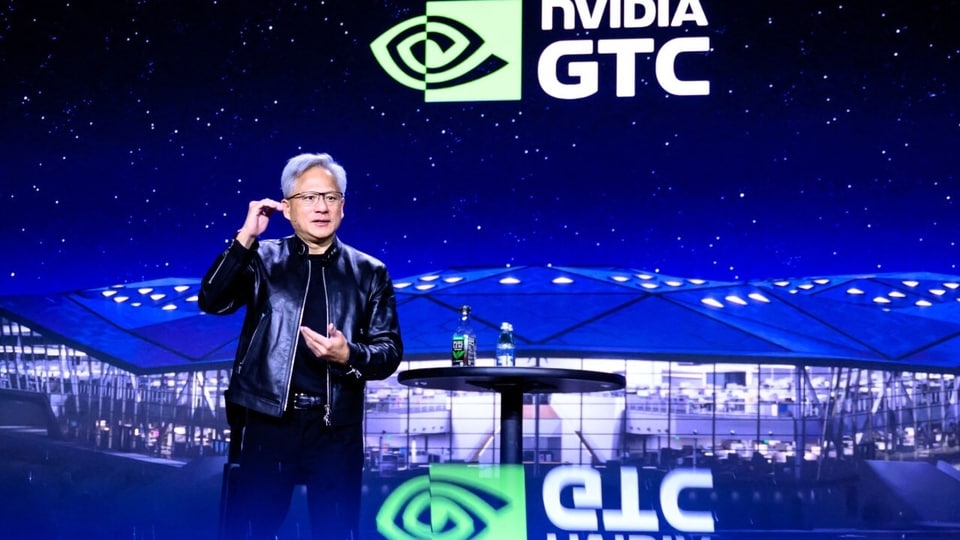
Back then, Jensen Huang was Mr. Cool with a black leather jacket and megaphone of support for artificial intelligence. As co-founder of Nvidia, he led one of the most valuable companies in the world thanks to his bet on his chips powering the development of the rapidly developing technology.
Huang’s judgment was an underpinning of the AI boom—the enthusiasm he stoked, the vision of the future he sold, not just to investors but the White House and other world leaders. Other American CEOs wanted to be him—or, at least, curry favor with him in hopes of landing make-or-break shipments of GPUs—while women, apparently, wanted to be with him.
Deep Dive

During the peak of the AI exuberance, Huang even autographed an adoring female fan’s chest at a trade show. It felt lighthearted in the moment. In hindsight, two years later, perhaps not the best judgment.
Now, the chip guy’s judgment is all anyone wants to talk about, after he admitted Sunday to an extramarital affair. The woman at the center of the controversy, who was a top executive at Nvidia customer Megaspeed International, is suspected of spying for China.
There are so many questions yet to be answered. But one of the biggest is whether this scandal will pop what many see as an overzealous AI investment bubble—a trigger that could ripple painfully through the 401(k)s and pension plans of many Americans.
Huang’s future as CEO of Nvidia is in question. Shares fell Monday and continued their slide Tuesday. The company’s board, which said it has confidence in its CEO, is investigating his actions. And he’s being called to Congress to testify. Many want to know what he knew about Megaspeed’s efforts to acquire Nvidia chips to help China in potential violation of U.S. export restrictions. (The People’s Republic of China has denied the accusations.)
“Recent reports raise significant national-security concerns regarding the PRC’s access to sensitive U.S. technology and information,” a letter Monday to Huang from the chairmen of three House committees said.
Huang seems also to have violated his company’s own conflicts-of-interest policy.
“We avoid situations where our actions might create a conflict—actual or potential—between our personal gain and our obligations to Nvidia,” the company says on its website. The company warns that personal relationships could create such conflicts.
Indeed.
Huang, 63 years old, isn’t the first CEO with embarrassing bedroom entanglements and he may very well hang on to his job. These sorts of scandals always center around a leader’s judgment.
If the CEO of, say, McDonald’s has an improper liaison, it is potentially humiliating for those involved. Maybe, shareholders are punished amid the disruption at the company. Ultimately, though, the future of cheeseburgers isn’t at stake.
What Huang has been championing is nothing short of “the next industrial revolution.” He was the face of a better future, a soothe for an uncertain time. The build-out of U.S. data centers, many of which require Nvidia chips, is seen as critical to the U.S. economy. Yet AI worries, along with inflation concerns, helped fuel Democratic Party victories in midterm elections, flipping the control of Congress come January.
His power had been on full display in recent months.
When it came to safety concerns, he became a leading voice in opposing calls for new regulations that AI accelerationists say could slow development.
Huang rallied the industry against efforts to restrict open-source AI, a technology China is rapidly developing that some researchers warn could pose security risks. “The world needs both frontier closed models and frontier open models,” he posted in his debut appearance on X in July. (Nvidia is also developing open-source models.)
Then in September, he emerged again with a full-court press to counter growing calls for regulations after Anthropic employees gained mainstream attention for raising concerns about the technology ending humanity. “Safety is an engineering problem,” he assured.
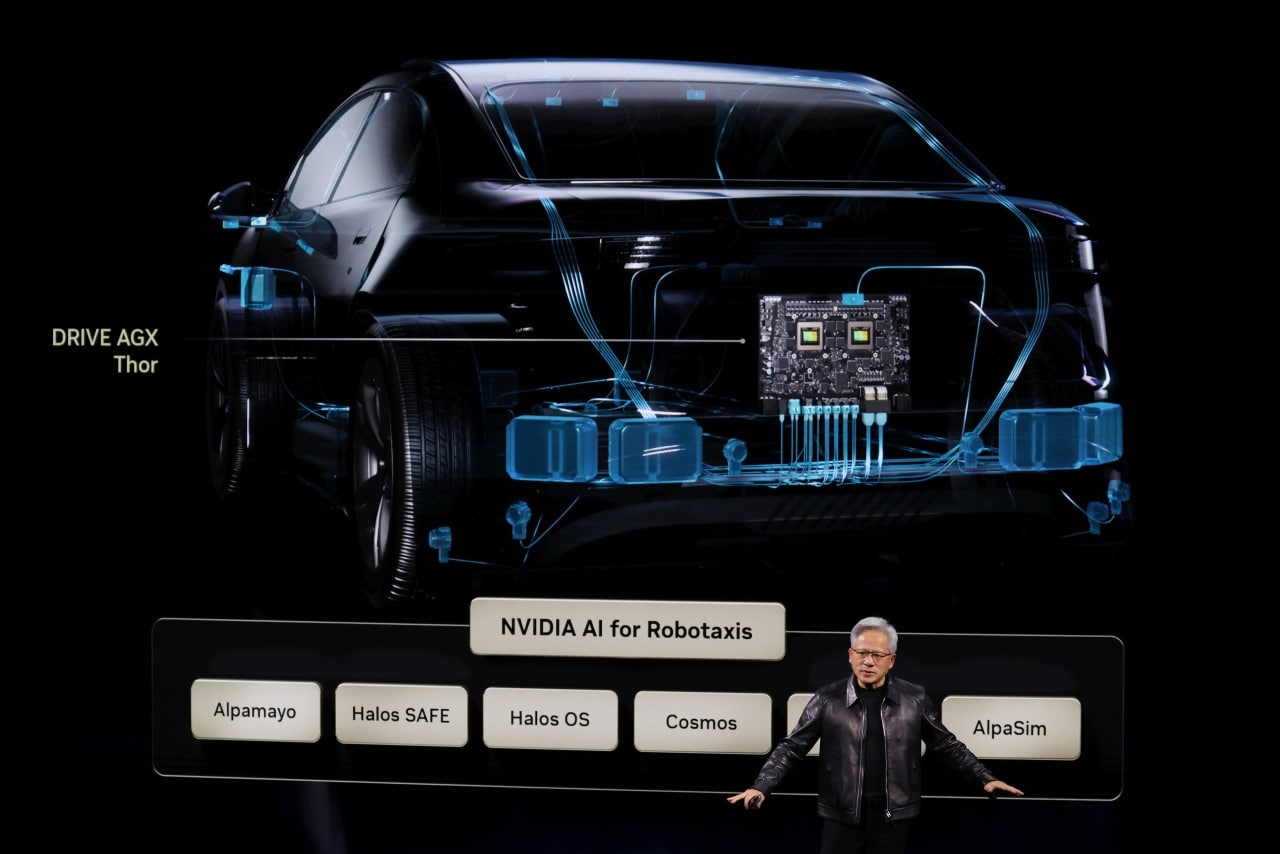
Behind the scenes, he has aggressively pushed to allow his chips to be sold in China and for the U.S. to reverse certain export restrictions.
“I did my best to inform the policymakers in the United States of the importance of engaging the Chinese markets and making sure that we serve that market for as long as we can. I think we made a mistake and this mistake is hard to unwind,” Huang told Bloomberg News in an interview recorded last month and released this week. “Although we compete against China they are not our enemies,” he added.
Perhaps, Huang’s position as AI’s biggest spokesman was best on display late this summer amid growing populist pushback to AI.
The tech industry had been caught off guard by growing public protests around the physical manifestation of AI technology—whether it was the construction of AI data centers or use of Flock cameras. In response, those in tech and the White House suggested AI opponents were being duped by foreign powers, including China.
President Trump and Huang talked about the growing doomerism during an appearance at the “All-In Podcast” conference, the president by telephone and CEO on stage. At various points, Trump suggested concerns around AI were a hoax pushed by China aimed at slowing progress. “You’re right, we’re not going to let that happen, sir,” Huang said.
The danger now is that Huang’s own entanglement with China could very well do just that amid new investigations and calls for regulations. The industry could lose its loudest voice.
Yet it also might be a good test. This episode is dangerous for the AI momentum but if it is a real revolution of industry—and not just a bubble pumped up by a hype man in a leather jacket—then it really shouldn’t matter if Huang is running Nvidia. Or if he has a voice at all.
Write to Tim Higgins at tim.higgins@wsj.com


