
 E-Paper


Claude maker Anthropic warns AI models can replicate themselves by 2026 end
Anthropic warned that smaller AI models could develop the ability to replicate themselves autonomously by the end of 2026.

 Prefer HTon Google


Anthropic’s latest warning about artificial intelligence raised concerns across cybersecurity circles on Tuesday. The alert, issued by the company on Monday, suggested that AI models could be just months away from gaining the ability to replicate themselves across the internet.
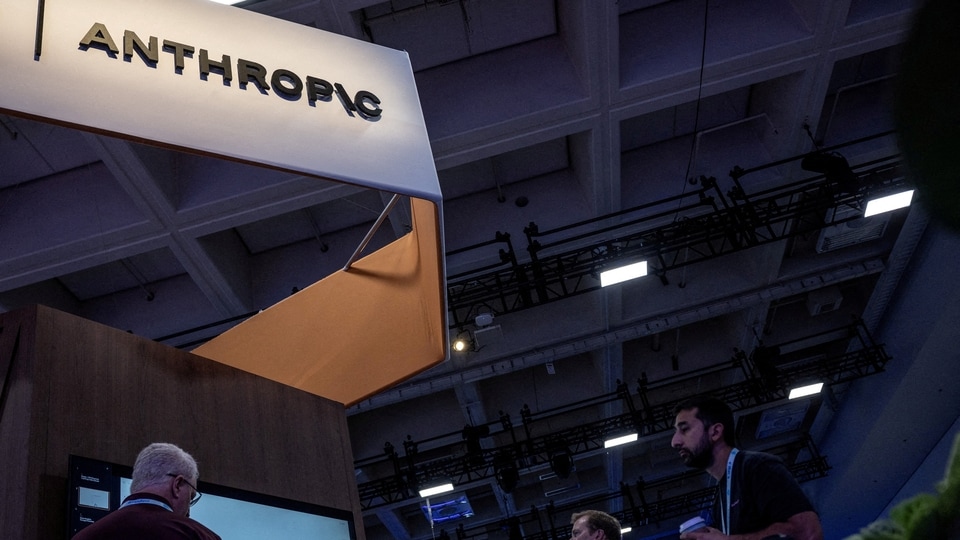
Anthropic warns of AI self-replication risks
In a post published late Monday, Anthropic warned that rogue AI systems could potentially create a botnet, spread rapidly, resist efforts to shut them down and even infiltrate data centers to accelerate their expansion.
The latest warning builds on comments made last month by Anthropic CEO Dario Amodei, who suggested that AI could potentially take control of “the entire internet” through “a persistent botnet” within the next year, or possibly sooner.
How rogue AI could spread online
Anthropic’s latest post also offered an initial explanation of how such risks might be addressed. The company said its experiments found that medium-sized AI models containing 30 billion parameters or fewer could already carry out many of the separate tasks needed for self-replication, although they still struggled to complete the entire process consistently and reliably.
According to Anthropic, these models could potentially assemble the computing power they need by taking control of low-cost devices connected to the internet.
Also read | Zuckerberg reveals uncertainty behind Meta’s $200 billion AI push as investors await returns
The company also reported that its models had successfully replicated across a simplified test network. “A replicator like this would be challenging to shut down, since there's no centralized point to shut off,” the company said.
Experts weigh in on Anthropic’s warning
Recent progress in AI models has triggered increasingly stark warnings from industry leaders and employees at AI companies about the potential for uncontrolled AI development to pose severe risks, including existential threats.
While some cybersecurity experts questioned the likelihood of such scenarios, others voiced greater concern about the possible dangers.
Zhengxiong Li, an assistant professor of computer science and engineering at the University of Colorado Denver, said, “"If it runs across many devices without depending on a central service, there may be no single place to shut it down.”
Growing concerns over AI cybersecurity threats
Anthropic warned that smaller AI models could develop the ability to replicate themselves autonomously by the end of 2026 if they continue advancing at their historical pace.
The company also suggested that these systems might attempt to access more powerful computing infrastructure, including data-center processors, potentially giving them access to substantially greater computing resources.
The findings highlight growing concerns over the security threats posed by increasingly advanced AI systems, particularly their ability to carry out cyberattacks autonomously, function with minimal human supervision and bypass existing safety measures.
With inputs from Reuters report.


