E-Paper


In 1865, a physician brought Indian mynas to Hawaii to eat armyworms; the birds spread and can compete with native birds for nesting sites
In 1865, a doctor brought common mynas to Hawaii to eat armyworms. The birds spread across Honolulu and can compete with native birds for nesting space.

 Prefer HTon Google


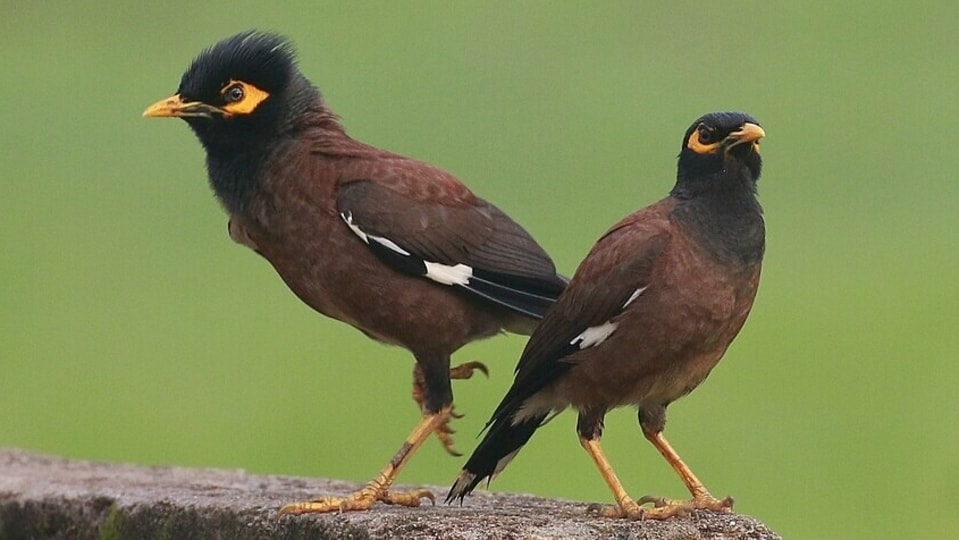
Most cities have that one loud, fearless bird that acts like it owns the sidewalk. In Honolulu, that bird is often the common myna, and its arrival wasn't an accident. The reason goes back to a farming problem in the 1800s. According to the Pacific Biosciences Research Center at the University of Hawaiʻi at Mānoa, common mynas are native to South Asia and were brought to Hawaii in 1865 to deal with an armyworm infestation.
A doctor with a plan for the cane fields
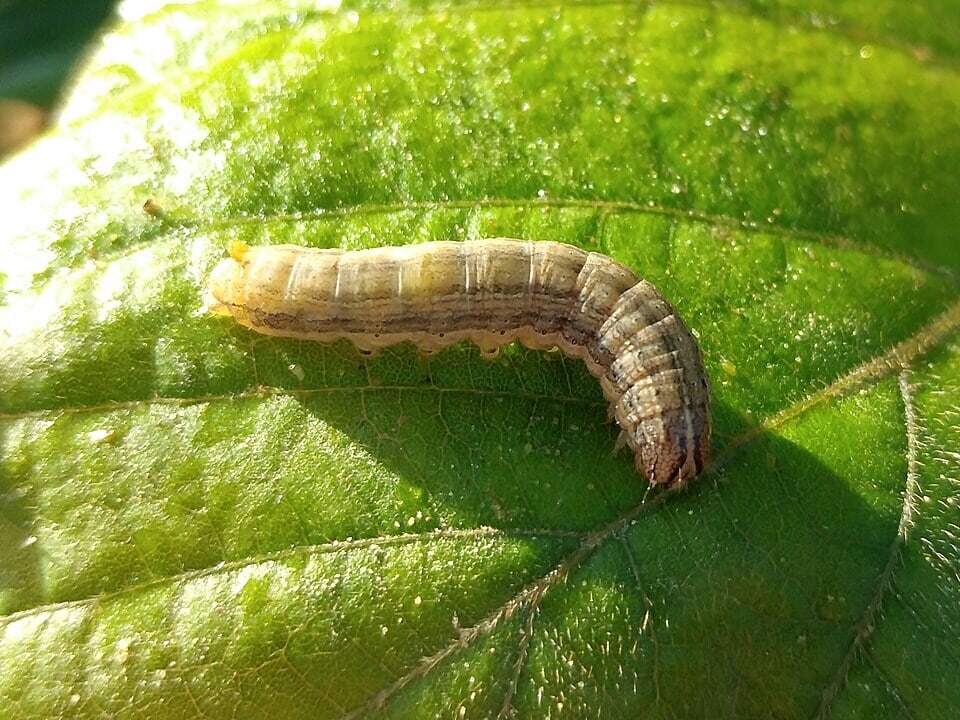
The plan was the brainchild of a German-born physician, William Hillebrand, who had been living in Hawaii since 1850. In 1865, he went to Asia on behalf of the Hawaiian government, bringing the birds from India. At the time, armyworms, the caterpillars of moths, were damaging young sugarcane and grasses. Mynas eat insects, so the idea at the time seemed only reasonable. The idea was to release the birds to eat the caterpillars and protect the crops. The species, also known as Indian mynas, were just supposed to be a simple pest-control tool. They were never meant to change the island life forever. But the birds remained on the island and made themselves at home over the next few decades.
A bird built for city life
As it turned out, mynas could do more than just eat caterpillars. In a 1933 description posted on the university’s page, E. L. Caum, an ornithologist, wrote that the bird also eats house scraps, fruits, grains, insects, and grubs. Its diverse diet seems to make it easy for the bird to live almost anywhere as long as there are people. Caum described the myna as a perky, self-confident, quarrelsome, and noisy bird and said that it can be, and frequently is, a nuisance. Still, he believed that its usefulness for the islands was underrated. The birds spread, and more than 160 years after their release in 1865, they are still everywhere in Honolulu. Their Hawaiian names are piha ʻekelo and manuʻaipilau, which mean full of voice and trash-eating bird, respectively.
Where native birds come in
In most places where the common myna was introduced, it ended up becoming an invasive species, according to Birds of the World, the Cornell Lab of Ornithology’s species reference. It also suggests that the bird is able to compete with other birds for nesting space. Nest sites are important because a bird needs this safe space to raise its chicks. When such an adaptable bird moves into a new area and joins the local wildlife, it has to share the same nesting space with the locals.
Why the debate isn't over yet
The picture, however, is not entirely one-sided. The extent of the damage mynas do to native birds in Hawaii has been debated for generations. Caum’s view in 1933 also shows that some observers used to think that problems with the bird could be exaggerated. Competition might have been there, but that doesn't mean every native bird is in trouble because of mynas. The birds are still common enough, so the debate still continues. The story of these little birds on a land far away from their home shows how quick fixes can have long-lasting effects. Planning carefully is very important. Before moving a foreign animal into a new place, it might be worth asking a simple question: what happens when it arrives? Because sometimes the effects can take even generations to show up.