
 E-Paper


US announces massive package of arms sales to Taiwan valued at more than $10 billion
The Trump administration has announced over $10 billion in arms sales to Taiwan, including missiles and drones, heightening tensions with China.

 Prefer HTon Google


The Trump administration has announced a massive package of arms sales to Taiwan valued at more than $10 billion that includes medium-range missiles, howitzers and drones, a move that is sure to infuriate China.
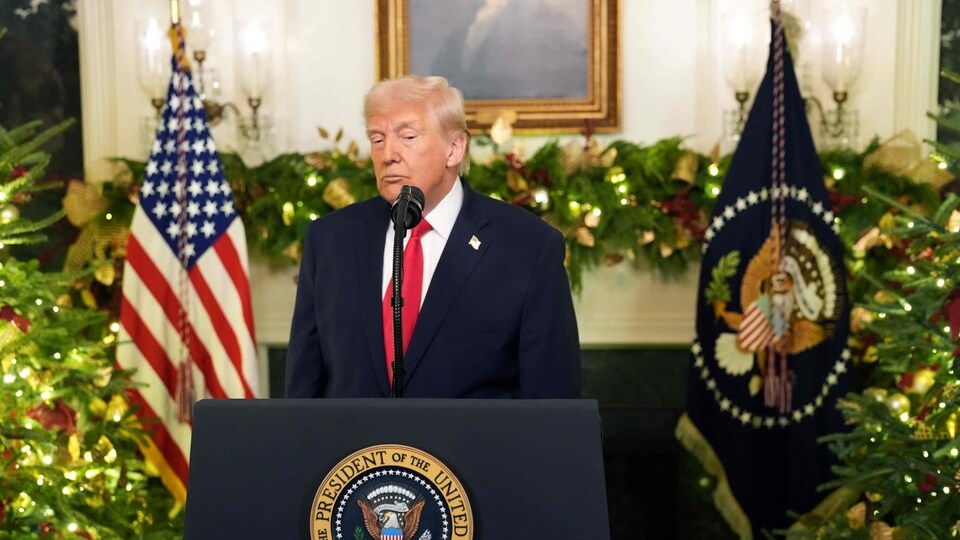
The State Department announced the sales late Wednesday during a nationally televised address by President Donald Trump, who made scant mention of foreign policy issues and did not speak about China or Taiwan at all. U.S.-Chinese tensions have ebbed and flowed during Trump’s second term, largely over trade and tariffs but also over China’s increasing aggressiveness toward Taiwan, which Beijing has said must reunify with the mainland.
The eight arms sales agreements announced Wednesday cover 82 high-mobility artillery rocket systems, or HIMARS, and 420 Army Tactical Missile Systems, or ATACMS — similar to what the U.S. had been providing Ukraine during the Biden administration to defend itself from Russia — worth more than $4 billion. They also include 60 self-propelled howitzer systems and related equipment worth more than $4 billion and drones valued at more than $1 billion.
Other sales in the package include military software valued at more than $1 billion, Javelin and TOW missiles worth more than $700 million, helicopter spare parts worth $96 million and refurbishment kits for Harpoon missiles worth $91 million.
ALSO READ | Trump's speech sparks health concerns; 'frantic tone and shrieking, can't pronounce words'
In separate but nearly identical statements, the State Department said the sales serve “U.S. national, economic, and security interests by supporting the recipient’s continuing efforts to modernize its armed forces and to maintain a credible defensive capability.”
“The proposed sale(s) will help improve the security of the recipient and assist in maintaining political stability, military balance, and economic progress in the region,” the statements said.
Under federal law, the U.S. is obligated to assist Taiwan with its self-defense, a point that has become increasingly contentious with China, which has vowed to take Taiwan by force, if necessary.
The boost in military assistance to Taiwan was previewed in legislation adopted by Congress that Trump is expected to sign shortly.
Last week, the Chinese embassy in Washington denounced the legislation, known as the National Defense Authorization Act, saying it unfairly targeted China as an aggressor.
“The bill has kept playing up the ‘China threat’ narrative, trumpeting for military support to Taiwan, abusing state power to go after Chinese economic development, limiting trade, economic and people-to-people exchanges between China and the U.S., undermining China’s sovereignty, security and development interests and disrupting efforts of the two sides in stabilizing bilateral relations,” Beijing’s embassy in Washington said after the legislation passed the House.
“China strongly deplores and firmly opposes this,” it said.
The U.S. Senate passed the bill Wednesday.


