
 E-Paper



Sensex opens 300 points up in Diwali Muhurat trading session, Nifty rises by 70 points
The session comes after a strong performance by domestic markets on Friday, when benchmark indices recorded gains for the seventh straight trading session.

 Prefer HTon Google


Indian stock market benchmarks began the 70-minute special Muhurat trading session on Diwali with gains. At the opening bell at 2:20 pm, the Sensex was up 250 points, while the Nifty had risen 70 points.
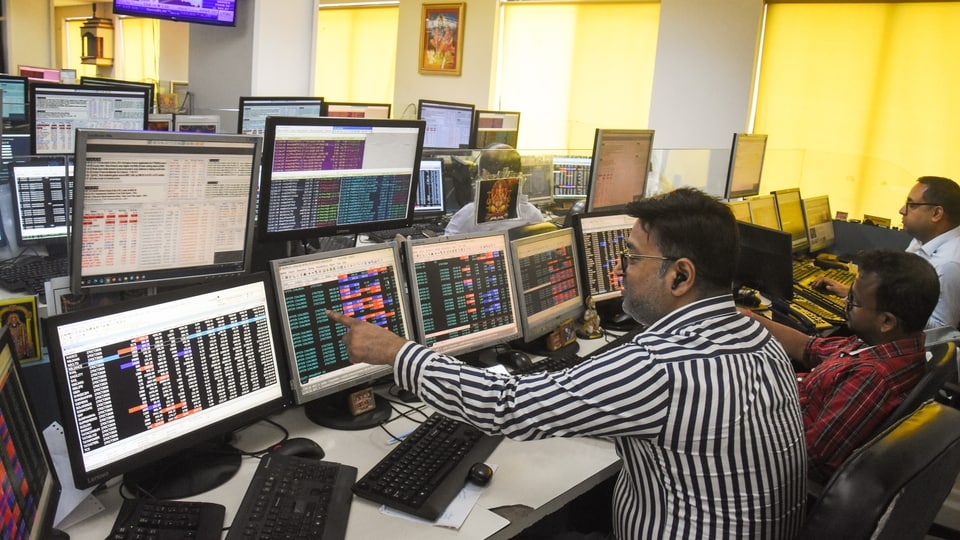
The session comes after a strong performance by domestic markets on Friday, when benchmark indices recorded gains for the seventh straight trading session. This came despite a decline in major global markets and technology stocks.
The Sensex climbed 1,718.01 points, or 2.17 per cent, to finish at 81,028.02 on Friday, moving back above the 80,000 mark. The Nifty rose 493.75 points, or 2.01 per cent, to close at 25,030.35, crossing the 25,000 level.
Muhurat trading session is now open
The National Stock Exchange (NSE) and the Bombay Stock Exchange (BSE) had announced the timings for the special equity trading session. The Multi Commodity Exchange (MCX) issued a separate schedule for commodity trading.
The block deal window was open from 1:50 pm to 2:05 pm. This was followed by the pre-opening session, which ran from 2:05 pm to 2:17 pm and included order entry, matching and trade confirmation. Regular trading on both exchanges began at 2:20 pm and will end at 3:30 pm.
The exchanges have also planned a closing auction process. The transition from continuous trading will begin at 3:15 pm and is scheduled to end by 3:50 pm. The post-closing session will take place between 3:50 pm and 4:00 pm. BSE has also kept the trade modification window open from 2:20 pm to 4:15 pm.
For commodity trading, MCX said contracts across all commodities and indices would be available during the special session. The session for these contracts ran from 2:05 pm to 2:19 pm, followed by the main trading window from 2:20 pm to 3:30 pm. Clients can modify their codes until 3:45 pm.
What is Muhurat trading?
Muhurat trading is a special session held every year on Diwali, which also marks the beginning of the new Samvat year in the Hindu calendar. Trading during this period is traditionally believed to bring prosperity and financial gains to investors and other market participants.
Unlike a regular trading day, when equity markets remain open from 9:15 am to 3:30 pm, this special session lasts for a shorter period.
With inputs from agencies


