
 E-Paper



Baba Siddique case: Did Mumbai police exhaust all options to secure Anmol Bishnoi’s presence?
A special MCOCA court questioned why investigators did not pursue video-conferencing or other legal options after Tihar Jail refused to release Anmol.

 Prefer HTon Google


The Mumbai police have cited legal constraints to explain why they have been unable to secure physical custody of gangster Anmol Bishnoi in the Baba Siddique murder case but a special MCOCA court’s findings raise an uncomfortable question: Did investigators exhaust all legal avenues available to them, or stop at the one route they knew was blocked?
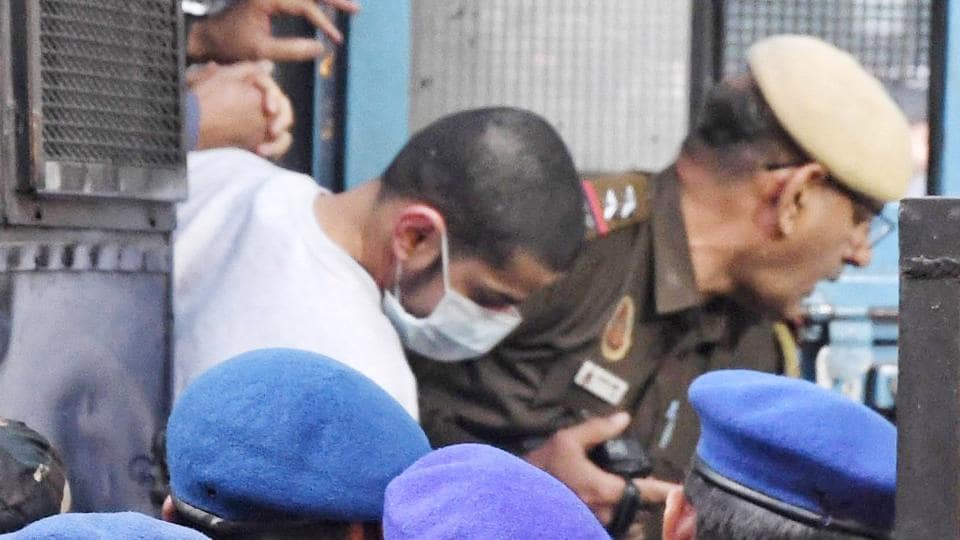
Despite being directed to explore video-conferencing to secure the presence of Anmol, brother of gangster Lawrence Bishnoi, police sought his physical production from Tihar Jail – a request rejected because a central government order restricted his removal.
Anmol, also wanted for the firing outside actor Salman Khan’s Bandra residence, has been named by investigators as the alleged mastermind in Siddique’s murder. The special MCOCA court issued a show-cause notice to investigating officer assistant commissioner of police (ACP) Subhash Dhudhgaonkar, saying his conduct prima facie reflected “deliberate disregard” of its directions. On Wednesday, it is expected to hear arguments on a plea by Siddique’s widow, Shehzeen Siddique, seeking further action against the police officer for allegedly misleading the court.
The court’s August 5 order noted that despite its July 10 directions to secure Anmol’s presence, the officer had merely sought his physical production before a Delhi court, which was turned down due to the restriction on his removal from Tihar Jail. The Mumbai court said the compliance report was “conspicuously silent” on attempts to secure Anmol through video-conferencing or any other legally permissible mode. Dhudhgaonkar had argued that proper investigation was impossible without physical custody, and therefore video-conferencing was not pursued.
Also read: ‘Our hands are tied,’ says Mumbai police on lack of access to Bishnoi brothers
“WIlful disobedience”
Rejecting this explanation as “wholly unsatisfactory”, the court said the officer had “merely repeated the exercise, which was bound to fail in view of the existing restraint order”. It added, “The compliance report does not disclose any endeavour to implement the directions of this Court in their true letter and spirit.”
The judge further observed, “In the present case, prima facie, the conduct of the Investigating Officer reflects deliberate disregard of the directions contained in the order dated July 10, 2026.” The court asked why action should not be initiated against Dhudhgaonkar for “prima facie willful disobedience”, giving him an opportunity to explain himself before deciding whether to proceed.
ACP denies wilful disobedience, says physical custody was essential
In his August 12 reply, Dhudhgaonkar denied deliberate disobedience, arguing physical custody was essential to investigate the alleged conspiracy, identify participants, trace financiers and weapons, and verify digital communications. Citing the Bharatiya Nagarik Suraksha Sanhita (BNSS) and the Bombay High Court Video Conferencing Rules, 2025, he maintained that virtual production could not substitute for physical production and arrest. He said he had acted in good faith by obtaining a production warrant and approaching the Delhi court, and sought discharge of the notice.
Shehzeen’s application describes the officer’s account as “evasive, dishonest and misleading”, alleging that he failed to exhaust the alternatives identified by the court.
Also read: Gangster Anmol Bishnoi moves court to surrender in 2024 Salman Khan house firing case
Lawyer says police could have pursued video-conferencing and jail interrogation
Advocate Trivankumar Karnani, representing Shehzeen said, “We have sought further action against the investigating officer for misleading the court. During arguments, we will explain how the Mumbai police ought to have secured Anmol’s custody through video-conferencing, sought permission from the competent court to interrogate him in jail, and produced him before the special MCOCA court via video-conferencing, as directed in its July 10 order, to effectively secure his custody in the Baba Siddique murder case and proceed with the trial.”
He added, “Even if the centre’s order under Section 303 of the BNSS prevented physical custody, the police ought to have followed the procedure under Sections 84 and 530 read with Section 356 of the BNSS. No provision of law or jail rules prohibiting such a course was brought to the court’s notice. The investigating agency appears to have overlooked these lawful avenues, for reasons best known to it, in blatant contempt of the special MCOCA court’s order, giving the Bishnoi gang a free hand to carry out further attacks.”
Also read: How is Anmol Bishnoi linked to Baba Siddique murder, Salman Khan house firing and Moosewala killing
Siddique was shot dead outside his son Zeeshan’s office in Bandra East on October 12, 2024. The police have arrested 27 people in connection with the murder. The central question is whether police exhausted all lawful means available to secure a key accused’s presence, or whether reliance on the restriction on physical transfer left the court’s directions unfulfilled. Wednesday’s hearing will put the officer’s explanation and Shehzeen Siddique’s demand for further action under scrutiny.

Stay updated with all the Breaking News and Latest News from Mumbai. Click here for comprehensive coverage of top Cities including Bengaluru, Delhi, Hyderabad, and more across India along with Stay informed on the latest happenings in World News.


