E-Paper



Preparing India’s cybersecurity workforce for cloud, AI and quantum risks
As threats evolve with automation and emerging technologies job-ready learning will be key to building a future-ready cybersecurity workforce.

 Prefer HTon Google


India’s cybersecurity challenge is entering a new phase. As organisations automate processes, move workloads to the cloud and connect increasingly complex digital environments, security teams are expected to respond faster and across a wider range of threats. The challenge is no longer simply having security technologies in place. It is having people with the skills to use them effectively.

The scale of the talent challenge is already visible. According to a report by Quess Corp., India has around 380,000 cybersecurity professionals against enterprise demand of more than 1.2 million, with a 30% to 40% shortfall in talent with deeper cloud, platform and enterprise-risk experience. This suggests that the gap is not merely one of headcount; it is increasingly a gap in specialised, applied capabilities.
From Uniform Classrooms to Individual Learning Journeys: Making the new CBSE curriculum work
The WEF’s Future of Jobs Report 2025 reinforces this direction, ranking networks and cybersecurity among the fastest-growing skills through 2030.
Moving from certification to capability
The next cybersecurity workforce cannot be built around certifications alone. A certification can establish foundational knowledge, but security professionals must ultimately apply that knowledge in environments where the consequences of a wrong decision can be significant.
The NIIT India Skills Gap Report 2026 identifies cybersecurity among the critical capabilities that will shape India's workforce over the next three to five years. It also highlights an experience gap: early-jobbers rate their confidence in cybersecurity basics at 64/100, compared with 57/100 among students.
The implication is clear. Cybersecurity learning needs to move closer to the workplace. Professionals need hands-on exposure to security operations, vulnerability assessment, incident response, cloud security and threat intelligence. Simulations, labs and real-world projects can help learners develop the ability to identify a threat, assess its potential impact and decide what needs to happen next.
This distinction between knowing and doing will become increasingly important as security environments become more automated. Technology can flag anomalies or accelerate monitoring, but professionals still need to interpret signals, understand context and exercise judgement.
Beyond Enrolment: Are India's universities preparing youth for the economy of 2047?
Preparing for the next security frontier
Cybersecurity teams must also prepare for risks that may not be immediate but could fundamentally change the security landscape. Quantum computing is one such consideration.
Quantum computers could eventually threaten some of the public-key cryptography used to protect digital information. This makes the transition to post-quantum cryptography an emerging skill requirement for cybersecurity professionals. In 2024, NIST finalised three post-quantum cryptography standards and recommended that organisations begin identifying vulnerable systems and planning their migration.
Professionals will therefore need to understand not only today's security operations, but also cryptographic dependencies, risk assessment and technology migration.
Making learning continuous
Cybersecurity cannot be treated as a one-time qualification. Threats evolve, technology stacks change and the skills required to secure them evolve with them. Organisations need continuous learning programs that combine certifications with practical exercises, simulations and exposure to emerging security practices.
India's cybersecurity readiness will ultimately depend not only on the sophistication of its security infrastructure, but on the capability of the people operating it.
In the automation era, the strongest cybersecurity teams will not simply be those with the most advanced tools. They will be the ones with the skills to understand what those tools are telling them, exercise judgement and act decisively when it matters.
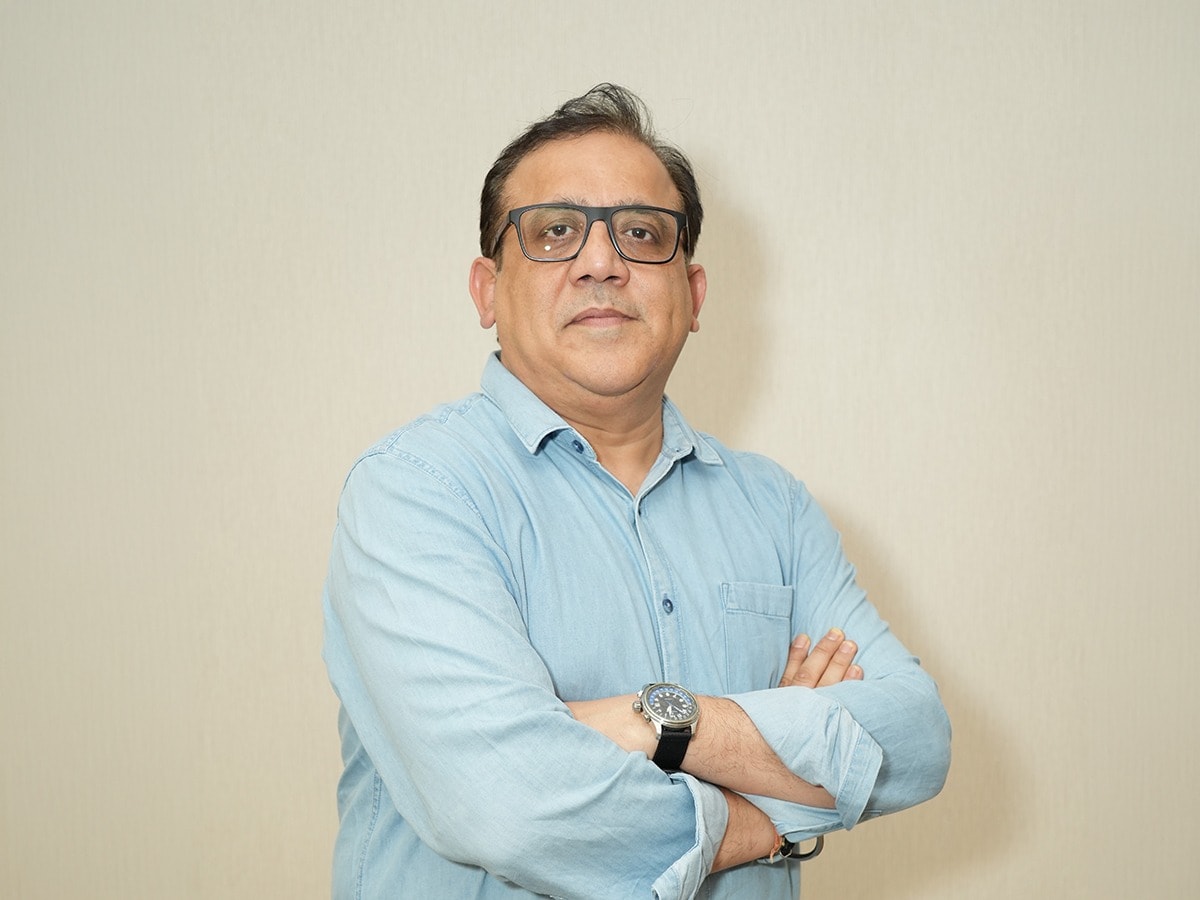
(This article is written by Sachin Grover, Vice President - Head of GenAI Initiatives, NIIT Limited)