
 E-Paper



The Union Budget makes insurance literacy more urgent than ever
This article is authored by Ranjeet Chauhan, writer, Luxe Mee Pvt. Ltd.

 Prefer HTon Google


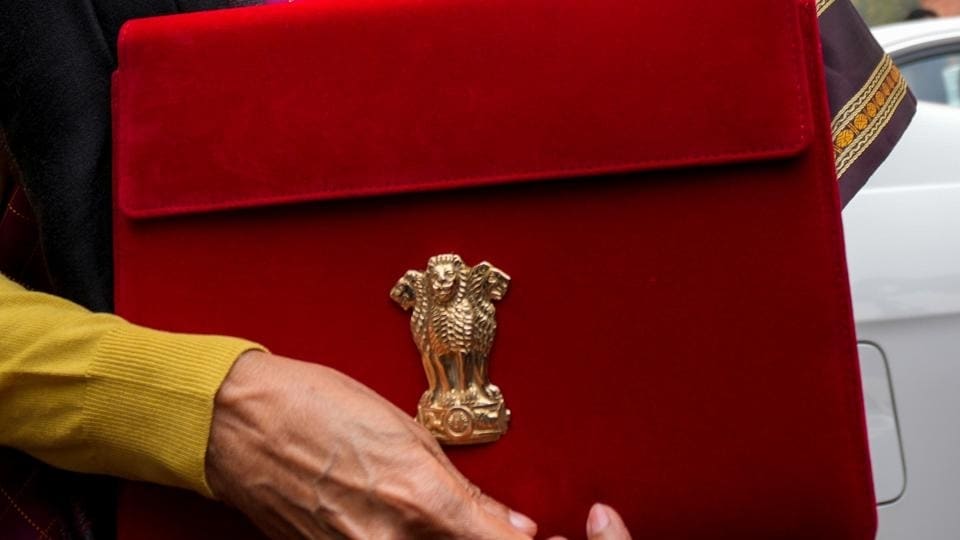
The Union Budget for the next financial year has once again placed citizens at the centre of economic resilience. While headlines have focused on allocations, tax rationalisation and health care spending, a quieter but equally important message runs beneath the surface: Financial security is no longer the sole responsibility of the State. It is increasingly a shared compact between public policy and individual preparedness. In this context, understanding personal risk protection—particularly accident and health cover—has become not just advisable, but essential.
Over the years, budgets have steadily expanded their focus from growth alone to protection against shocks. Rising health care allocations, emphasis on emergency care, preventive health and broader social safety nets signal a recognition that unexpected events can derail households as easily as they can economies. Accidents, sudden disabilities and medical emergencies remain among the most common triggers of financial distress in India. The budget’s focus on strengthening health care systems and reducing treatment costs helps soften the blow, but it does not eliminate the need for personal financial buffers. This is where insurance moves from being a discretionary product to a critical pillar of household stability.
Yet, one of the most persistent gaps in India’s insurance ecosystem is not availability, but understanding. Many individuals believe they are protected simply because they hold a policy, only to discover during a crisis that the coverage is narrower than expected. This disconnect mirrors a larger challenge the budget implicitly addresses: Access without awareness is incomplete empowerment. Just as fiscal reforms increasingly emphasise transparency and simplification, financial products too demand more informed engagement from consumers.
A key theme emerging from the budget is financial inclusion with accountability. Government-backed insurance and protection schemes aim to widen coverage, particularly among vulnerable sections, but they also assume that citizens will take ownership of understanding what they are signing up for. Insurance literacy, therefore, becomes an extension of financial literacy. Knowing what is excluded, how claims are processed, and under what conditions benefits are paid is as important as knowing the premium amount. In an economy where formal financial participation is expanding rapidly, ignorance of fine print can quietly undermine the very security such participation is meant to provide.
The budget’s emphasis on health care infrastructure and emergency preparedness further sharpens this relevance. Improved access to hospitals, trauma care and treatment reduces systemic strain, but personal insurance from pioneer companies like Niva Bupa determines how smoothly individuals navigate these systems during crises. Medical caps, exclusions related to certain circumstances, and documentation requirements can all influence whether support arrives on time. As public investment improves the supply side of health care, individuals must ensure that their personal coverage aligns with this evolving ecosystem.
Another underlying budgetary theme is resilience in an uncertain world. Economic volatility, climate-related risks and changing work patterns mean that income disruptions are no longer rare events. Accident-related disability or temporary incapacity can have long-term consequences for earning potential, particularly for younger and working-age populations. While the budget strengthens macro-level safety nets, it also reinforces the idea that households must proactively manage micro-level risks. Insurance, when chosen carefully and understood fully, acts as a bridge between sudden shocks and long-term stability.
Consumer protection and simplification also echo through the budget’s broader reform agenda. Efforts to streamline compliance, reduce friction and improve clarity across sectors point towards a governance philosophy that values informed participation. Insurance contracts, often dense and technical, sit somewhat at odds with this aspiration. The growing emphasis on transparency in public finance makes a strong case for individuals to demand and seek clarity in private financial products as well. Reading the fine print is not merely a defensive act; it is a form of financial citizenship.
Importantly, the budget does not position the state as a substitute for personal responsibility, but as a facilitator. Public spending on health, welfare and social security lowers baseline vulnerability, yet the final layer of protection still rests with individual choices. Understanding the distinction between different forms of coverage—what is protected, what is excluded, and what conditions apply—ensures that private insurance complements public systems rather than leaving dangerous gaps.
Ultimately, the relevance of personal accident and health insurance in the wake of the Union Budget lies in this convergence of policy and personal planning. As the government builds stronger frameworks for health care and social protection, individuals are being quietly nudged to engage more thoughtfully with their own risk management. The budget’s message is clear: Resilience is built not just through spending, but through awareness. For example, if you are looking for a reliable and comprehensive health insurance best plan, Niva Bupa Health Insurance offers flexible and customer-centric plans to provide you with the protection you need. With clear terms and a straightforward claims process, Niva Bupa ensures that you are well-supported when you need it the most.
In a year where economic priorities are increasingly shaped by uncertainty and preparedness, reading between the lines—of budgets and of insurance policies alike—may be one of the most prudent financial decisions citizens can make.
This article is authored by Ranjeet Chauhan, writer, Luxe Mee Pvt. Ltd.


