
 E-Paper



Amid the din, a dare to reserve PM's post for women: TMC MP Kalyan Banerjee calls for 50% of current 543 seats
“Delimitation is a political gimmick. You don't have the intention to give quota to women,” said MP from Bengal, where his party is locked in a battle with BJP

 Prefer HTon Google


Trinamool Congress MP Kalyan Banerjee had a simple question for the BJP-led government during the three-day special session on the issue of how to implement women's reservation in legislatures. Why not give them 50% — right now, on existing seats — without any delimitation?
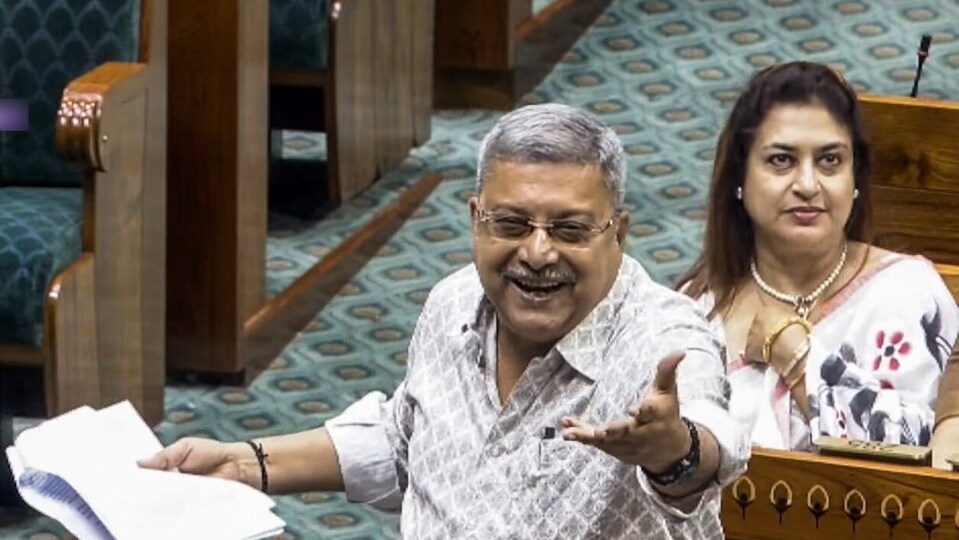
"Women's reservation can be done in a single day," he told the Lok Sabha on Friday, "The problem is that you neither have the guts nor the intention to do the same."
He then pushed further, “Prime Minister's post should also be reserved for women, by rotation. Speaker's post can also be kept for women. The BJP will anyway not return to power in 2029, so Modi ji cannot be PM. We fully support 50% reservation for women.”
Argument against delimitation
The offer cut to the centre of the opposition's case. The government had introduced three bills bundling women's reservation with a delimitation exercise based on the 2011 census and an expansion of the Lok Sabha from 543 to 816, or a maxium of 850, seats. Kalyan Banerjee's argument was that none of that is needed as the law for women's quota was already passed in 2023.
“Delimitation is a political gimmick and nothing else. You don't have the intention to give reservation to women. The BJP and the Prime Minister are doing a drama over women's reservation,” said the MP from West Bengal, where his party led by Mamata Banerjee is locked in a battle with the BJP in elections this month.
Kalyan Banerjee also spoke of the BJP's internal record, noting that only 12.91% of the party's Lok Sabha MPs are women, and 16.98% of its Rajya Sabha MPs, a much lower ration than in the TMC. "Women's reservation is not for bargain," he said.
He cited historical delimitation exercises, and said the government's proposal to base delimitation on the 2011 census — bypassing the ongoing 2026 census — broke precedent.
Jibe for jibe
Earlier that day, PM Modi had taken a jibe at Kalyan Banerjee while addressing the House: "Arey bhai! Inko bolne dijiye, wahan pe bechare ke munh pe taala laga hua hai. Wahan Bengal mein bhi bolne nahin deta" — 'Let him speak, the poor man's mouth is locked there, he isn't even allowed to speak in Bengal.' The House laughed.
Kalyan Banerjee, upon his turn, was visibly animated as his party opposed the bills to hasten delimitation for the women's quota. The main constitutional amendment bill fell short of the required two-third majority. His offer remained rhetorical.


