
 E-Paper



‘Bahut bhayanak hai’: Governor Kataria on Punjab's rising drug crisis; says state govt ‘doing its best’
The Centre installed anti-drone systems, and the Punjab government spent ₹10 crore on technology, but success is limited because the border is 553-km long.

 Prefer HTon Google


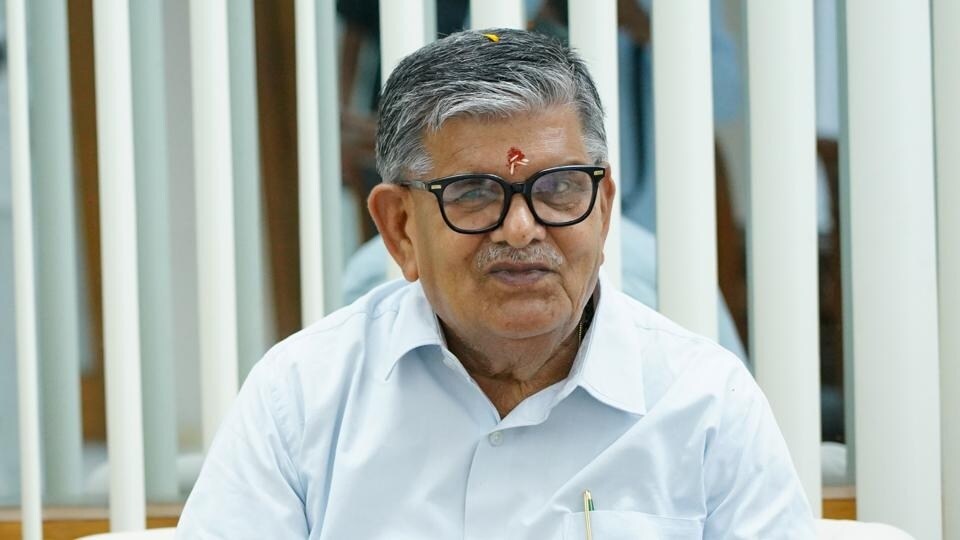
With nearly 20 months as the Punjab governor, Gulab Chand Kataria has made a mark with his on-ground anti-drug campaign, notably in the worst-affected border districts. In an interview with HT, Kataria, 81, spoke on a range of issues including the drug menace, law and order in the border state, and the anti-conversion and anti-sacrilege laws. Edited excerpts:
How serious is the drug problem in Punjab?
“Bahut bhayanak hai (It’s a dire situation).” Narcotics are coming from Pakistan via drones. We countered the large drones, but now small, silent, invisible ones are being used. At our request, the Centre installed anti-drone systems, and the Punjab government spent ₹10 crore on technology, but success is limited because the border is 553-km long. Village-level committees have been set up for intelligence. A sustained public-led effort is the only antidote. While Radha Soami chief Baba Gurinder Singh Dhillon has played a stellar role, the number of religious leaders I expected to join hasn’t yet. People tried to give this a political colour, but I have no political motive in my outreach.
The Bhagwant Mann-led government launched its ‘Yudh Nashian Virudh’ campaign in March last year. Is the state winning its war?
Definitely, the state government is doing its best and has tightened legal action. In no other state have 63,000 people been arrested in a year; properties have been demolished and narcotics seized. During my rural tours, people said drugs are no longer as freely available. If educational institutions ensure drug-free campuses, the impact will be visible in five years. People must create their own movement.
How is the current law and order situation in Punjab?
It is not satisfactory. Contract killings, gang wars, bomb blasts, and extortion happen almost daily. This has led to an atmosphere of fear. Even Chandigarh has seen broad daylight murders and a bomb blast at the BJP office, prompting us to increase security.
Have you shared your concern with the CM?
I’ve spoken to him (Mann) and the DGP (Gaurav Yadav). They cite the number of cases solved, but human rights bodies often hinder all-out action against criminals. Police seem wary of litigation. Our police haven’t succeeded in action against criminals the way the Uttar Pradesh Police have.
How do you react to the AAP blaming the BJP for recent explosions in Jalandhar and Amritsar?
No political party should stoop so low to say things that are not in the national interest. People resort to the blame game to deflect accountability. Law and order should not be a political issue. Punjab is a sensitive border state; all parties must rise above narrow interests to preserve the hard-earned peace which is the foundation of progress.
Also Read: Punjab seeks share in Yamuna water allocation ahead of 1994 treaty negotiation
What made you approve the new anti-sacrilege Bill so quickly when previous versions were denied assent?
I went by the spirit and intent behind the law. I counselled the state government that a similar law needs to be framed to safeguard the sentiments of other religions to raise public satisfaction.
Certain quarters are flagging concern over religious conversions. How do you look at the issue?
Definitely, it is a cause of big worry. If religious conversions threatens a change in demography, it can be a danger to the nation. The state government should think seriously about bringing a law against religious conversions which exploit economic or social vulnerabilities.


