
 E-Paper



E10 petrol comeback in plans? What BPCL said amid reports on lower-ethanol fuel option
Earlier reports said the govt was discussing E10 premium petrol with Indian Oil, BPCL and Hindustan Petroleum, using 95-octane fuel with a 10% ethanol blend.

 Prefer HTon Google


The existing E20-blended petrol will not be replaced with E10, Bharat Petroleum Corporation Limited (BPCL) said on Thursday. The clarification came amid reports that the government was exploring a lower-ethanol fuel option for owners of older vehicles.
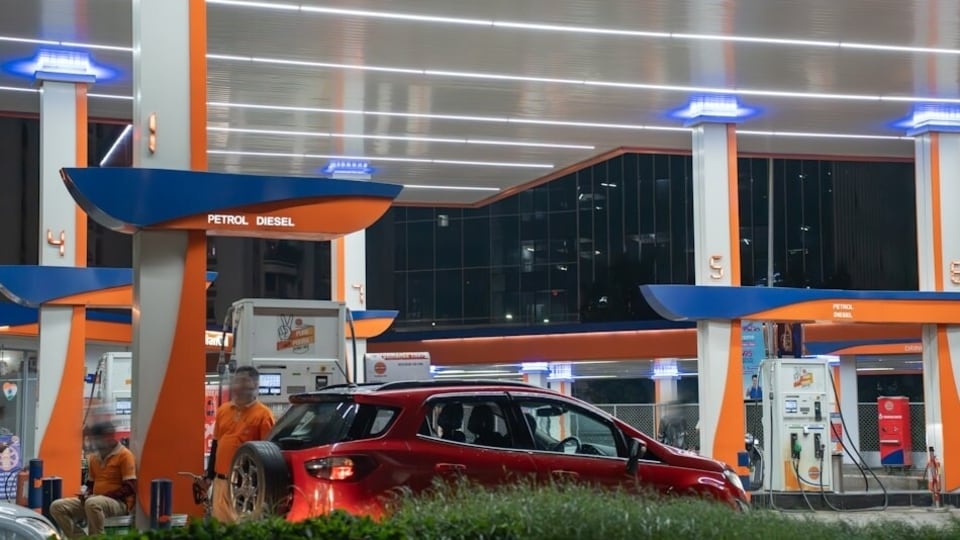
BPCL Chairman Sanjay Khanna's remarks were misrepresented to suggest that E10 was being considered as an alternative to E20, the company said.
“Shri Sanjay Khanna Chairman & Managing Director, BPCL said that there is no proposal to replace the existing E20 blended Petrol with E10, on Thursday after BPCL’s AGM. His response is being misquoted to suggest as if E10 is being considered as an option, which is not correct," BPCL said in a statement on X.
“Large-scale field experience from millions of vehicles operating on E20 fuel for more than last 3 years, has not shown any evidence of engine damage or any other concerns. E20 contributes to reducing pollution, creating rural prosperity and saving foreign exchange. BPCL continues to support the National ethanol blending programme and remains committed to ensuring fuel quality,” the company wrote.
The remarks followed reports suggesting that the petroleum ministry was discussing a proposal with state-run oil marketing companies, Indian Oil Corporation, BPCL and Hindustan Petroleum Corporation, to offer premium 95-octane petrol with a 10% ethanol blend.
ALSO READ | Automakers forced to stay silent on E20 hazard, alleges Arvind Kejriwal
According to the report, the proposal would give owners of older vehicles access to an E10 option without requiring a separate nationwide fuel distribution network.
Why E10 is back in focus
E20 petrol, containing 20% ethanol, is now the standard petrol blend at fuel stations across India. The higher ethanol blend has led to concerns among some motorists, particularly owners of older vehicles, over fuel economy and compatibility.
The government has time and again said that E20 does not cause vehicle or engine damage. Mileage could drop, though, Union petroleum minister Hardeep Singh Puri said earlier this year. The ministry said that vehicles designed for E10 could experience a marginal 3-5% reduction in fuel efficiency when using E20.
ALSO READ | E20 petrol ‘well within’ quality limits, oil companies dismiss contamination concerns after nationwide tests
Ethanol has a lower energy density than petrol -- meaning higher ethanol blends can affect fuel efficiency. The issue gained attention after chief economic adviser V Anantha Nageswaran claimed that a lower-ethanol petrol option should be available alongside E20 to address concerns among owners of older vehicles.
Premium petrol could offer an E10 route
Under the proposal reported by Mint, premium 95-octane fuels such as Indian Oil’s XP95, BPCL’s SPEED and Hindustan Petroleum’s Power95 could be sold with a 10% ethanol blend. The proposal would use existing premium-petrol infrastructure, which would avoid the need for a separate E10 supply network.
“Options are being looked at in order to offer the more appropriate E10 fuel for older vehicles and allay the consumer concerns,” a person cited by Mint said.
Mint reported that premium petrol now makes up around 15% of OMC petrol sales, up from about 4% in March.
ALSO READ | SIAM's now-withdrawn letter: What the science says about chloride, moisture and your E20 petrol
“Providing ‘95 Octane’ branded fuels with 10% ethanol is quite easy for OMCs. No need to change tanks or delivery units,” Monty Sehgal, national spokesperson for the Federation of All India Petroleum Traders, told Mint.
India’s ethanol-blending programme began as a pilot in 2001 and has since expanded to reduce fuel imports, cut emissions and boost domestic ethanol use.


