
 E-Paper



Why is non-dairy paneer called analogue paneer and not fake paneer?
To avoid misleading consumers, FSSAI aims to restrict the labelling of non-dairy products as paneer.

 Prefer HTon Google


The Food Safety and Standards Authority of India (FSSAI) on Tuesday proposed amendments to regulations aimed at restricting the manufacture and sale of analogue products being marketed as paneer, in a bid to prevent consumers from being misled.
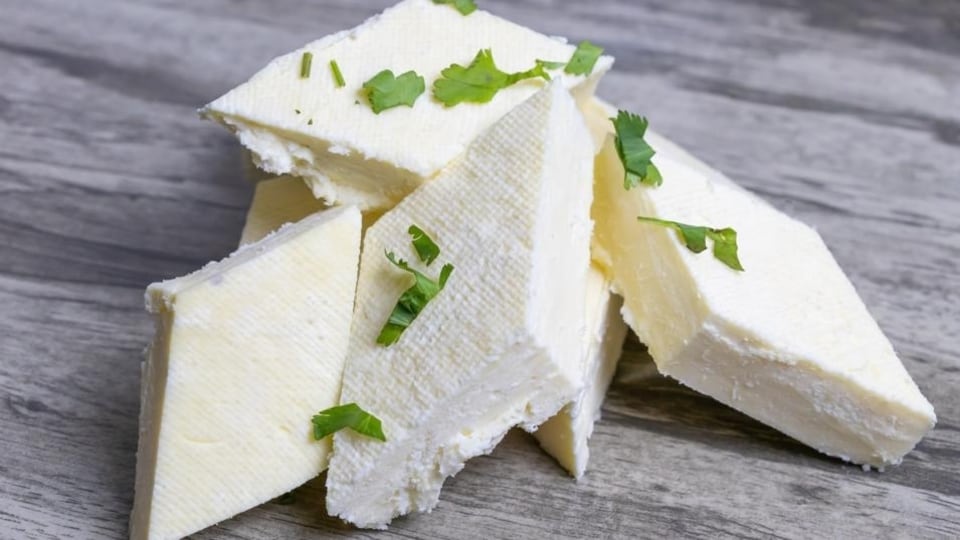
The term “analogue paneer” has been gaining attention lately with the crackdown by food regulatory bodies, sparking questions as to why non-dairy paneer is called analogue paneer and not fake paneer.
Also Read | Analogue paneer should not be labelled 'paneer', says FSSAI
Definition of analogue by FSSAI
As per FSSAI, an analogue product is that “in which constituents not derived from milk take the place, in part or in whole, of any milk constituent(s) and the final product resembles, organoleptically and/or functionally, milk or milk product or composite milk product.”
In simple terms, analogue paneer refers to a product that is made to resemble paneer but uses edible ingredients other than, or in place of, the milk components normally used to make paneer - for example, vegetable fats or other non-dairy ingredients.
Paneer, meanwhile, may be described as "fake" when a product is passed off as paneer despite being made with ingredients that do not meet the prescribed standards for paneer or are inedible.
All milk products and composite milk products specified or standardised under FSSAI regulations would be classified as analogues if their major milk constituents, such as milk fat or milk protein, are replaced with non-milk constituents, such as vegetable oil, fat, or vegetable protein, resulting in products that resemble the original milk products.
Also Read | FSSAI proposes nationwide ban on manufacture, sale of non-dairy analogue products as ‘paneer’
Thus, labelling such kind of paneer analogue conveys clearly that it has been made using non-dairy substituents.
Why should it not be termed “paneer”?
Under the regulations, analogues are not recognised as dairy products, and do not meet the prescribed criteria for using dairy terms. Therefore, dairy terms cannot be used in the nomenclature or labelling of analogue products.
FSSAI has proposed a nationwide ban on manufacturing and selling non-dairy analogue products as ‘paneer’. In a post on X it said, “The amendment is proposed in the following regulation to restrict manufacturing and sale of analogue product as paneer so as to prevent misleading of consumer's regarding the nature and composition of the product.”
It further stated that products already registered or licensed under the ‘Analogue in Dairy Context’ category would have to stop using the term “paneer” in their nomenclature, labelling, or marketing.
Analogue “paneer” banned in several states
So far eight states, namely, Madhya Pradesh, Gujarat, Maharashtra, Himachal Pradesh, Karnataka, Chhattisgarh and Uttarakhand, have banned the sale of such product over food safety concerns.
Last month, food delivery platform Zomato also announced a zero-tolerance policy on the sale of dishes containing analogue “paneer”, warning that restaurants failing to comply could be delisted from the platform.
Also Read | Zomato bans analogue paneer on its platform, asks restaurants to switch to dairy
Under the new policy, restaurants were instructed to take corrective measures, including replacing analogue dairy products with natural dairy products and removing dishes containing such ingredients from their menus if an immediate switch is not feasible.


