E-Paper



Everyday Explained: Why your homemade curd turns sour or releases water even when stored in the fridge

 Prefer HTon Google


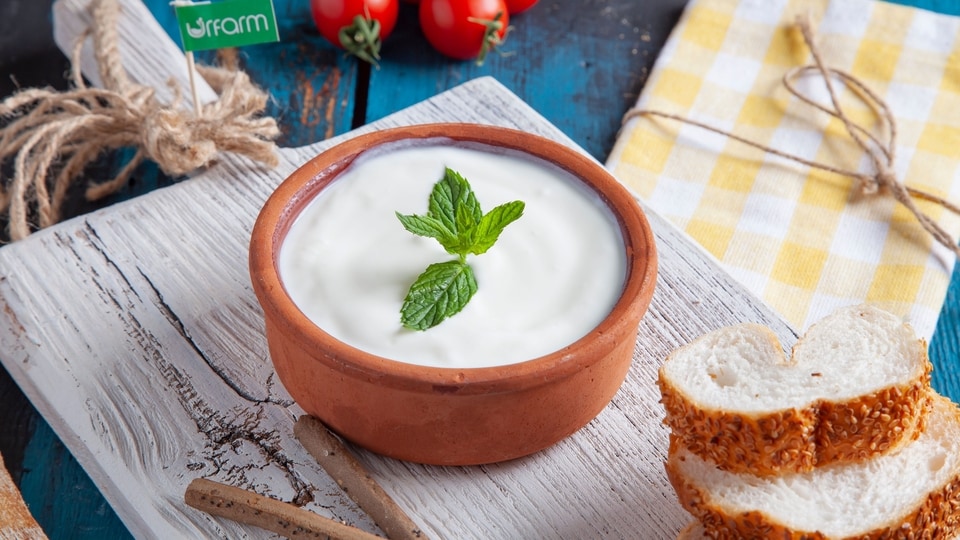
From temperature to fermentation, here are a few reasons that make homemade curd turn sour and even release water sometimes.
Homemade curd is a simple preparation, but getting the right consistency and flavour depends on a few important factors, particularly milk quality, temperature, fermentation time and the amount of starter culture used. When curd turns watery or excessively sour, it is usually because one or more factors have not been controlled properly. In this edition of ‘Everyday Explained,’ HT Lifestyle spoke to Dr Nethra N, consultant in internal medicine at Manipal Hospitals, Electronic City, Bangalore, to figure out the reason behind this.
Why does homemade curd turn sour or release water?
According to Dr Nethra, watery curd is often the result of inadequate milk solids, incorrect fermentation temperature or disturbance during the setting process. If the milk has a lower fat or solid content, the curd may not develop the thick, creamy texture people expect. The quality of milk plays an important role here.
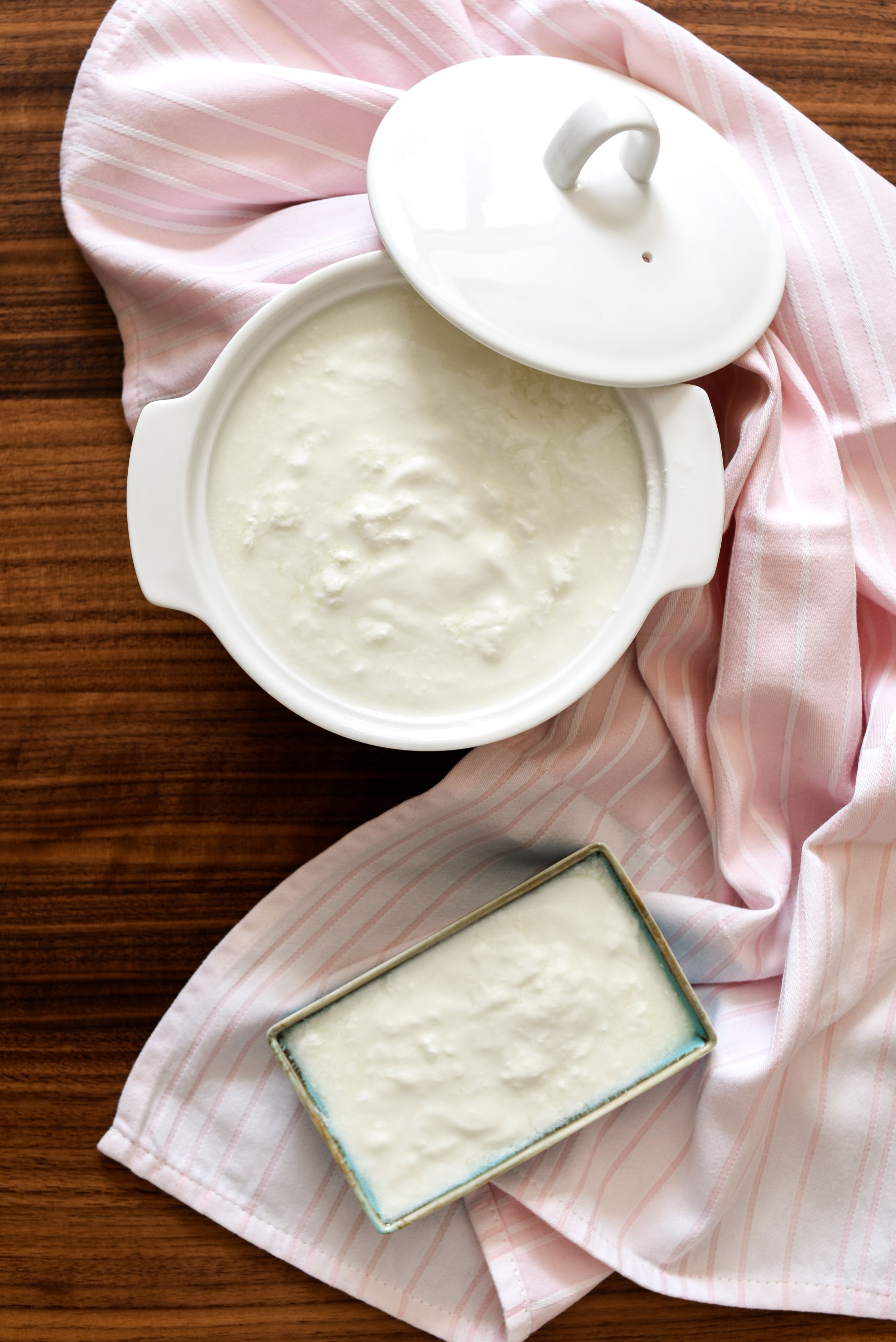
Full-fat milk generally produces richer and thicker curd. Another common mistake is moving or shaking the container while the curd is setting. This disturbs the developing protein network and can cause whey, the watery liquid that separates from curd, to collect on the surface.
“Excessive sourness, on the other hand, is primarily linked to over-fermentation. The bacteria present in the starter culture convert lactose, the natural sugar in milk, into lactic acid. As fermentation progresses, acidity increases and the curd develops a sharper taste,” highlighted Dr Nethra. Leaving curd outside for too long, particularly in warm Indian weather, accelerates this process. Using too much starter culture can also cause the curd to set quickly and become sour.
How to ensure better consistency in homemade curd?
“For consistently good homemade curd, I recommend boiling the milk and allowing it to cool until it is lukewarm before adding the starter,” said Dr Nethra. The milk should feel comfortably warm to the touch, not hot. Adding a small quantity of fresh, well-set curd as the starter helps achieve better results. Mix it gently, cover the container and leave it undisturbed until the curd sets. Once set, refrigerate it to slow down further fermentation and maintain its flavour.
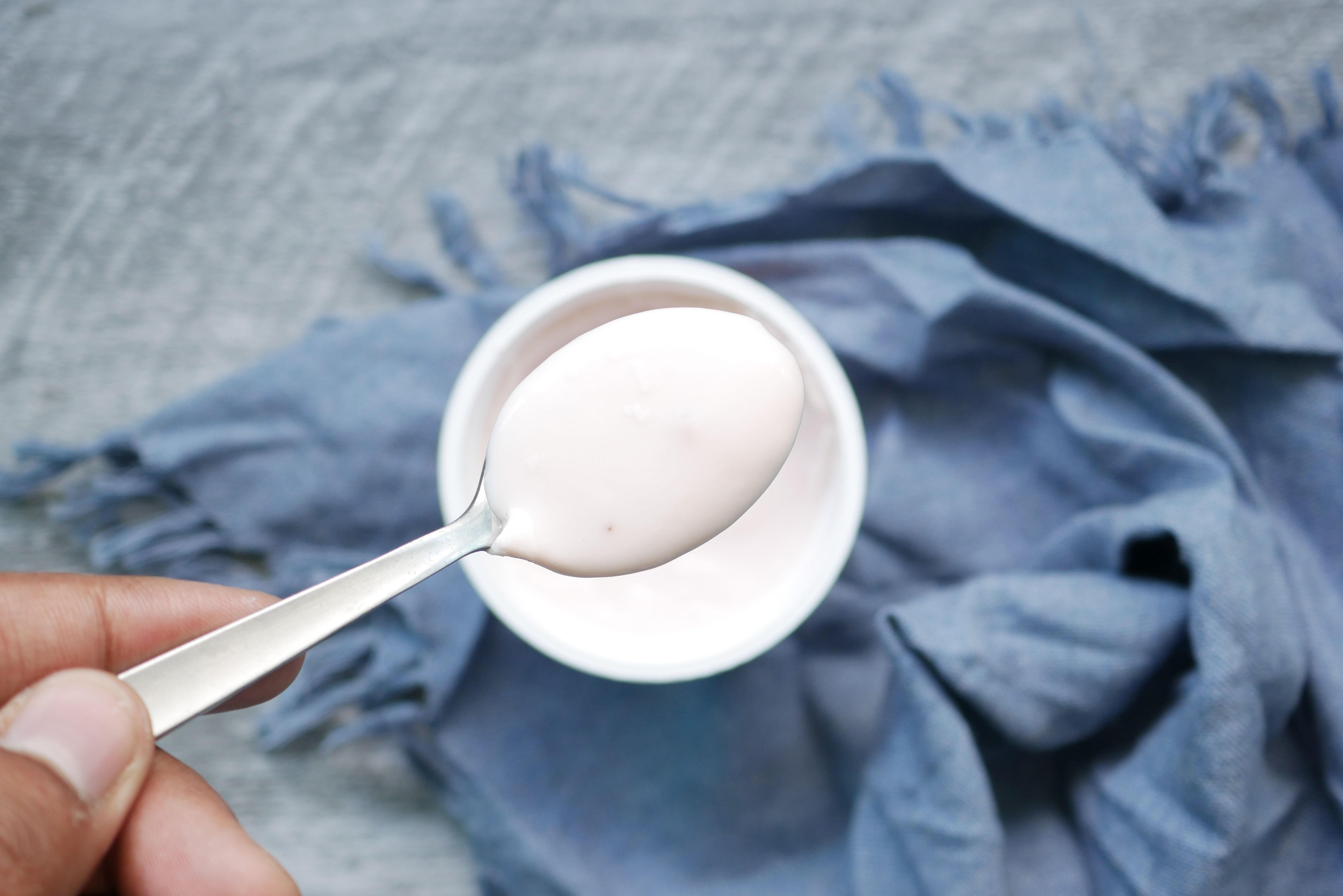
One important point is that curd-making is influenced by seasonal temperatures. During summer, fermentation happens much faster, so the setting time needs to be reduced. During winter, it may take considerably longer.
From a culinary perspective, good curd should have a smooth, cohesive texture, a pleasant mild tang and minimal whey separation. Understanding the relationship between temperature, culture, and time is the key to making consistently thick, balanced curd at home.
Note to readers: This article is for informational purposes only and not a substitute for professional advice. Always seek the advice of an expert with any questions.