
 E-Paper



Cardiologist with 40 years of experience shares 12 best seeds for your health; here's when to avoid and how to eat

 Prefer HTon Google


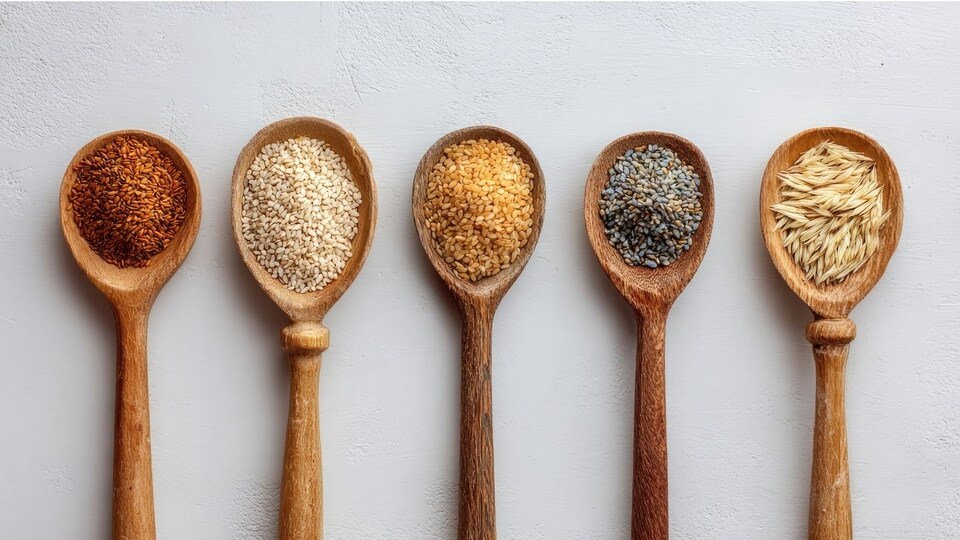
Cardiologist Dr Chopra emphasises the health benefits of seeds such as improved digestion and immunity. He advises proper preparation and moderation.
Seeds are one of the most loved superfoods that you can include in your diet for various benefits, including fibre, energy, digestion, and more. However, you shouldn't limit your seed consumption to just chia seeds, flax seeds or even pumpkin seeds. There is a world of seed variations available in your kitchens that can offer you several health benefits.
Dr Alok Chopra, a cardiologist with over 40 years of experience, highlighted seeds that you can eat in his November 24 Instagram post. Sharing their benefits, how to eat different seeds, and when to avoid them, Dr Chopra wrote, “These aren’t just seeds — they’re quiet powerhouses of balance, immunity, digestion and long-term vitality.”
Seeds 101: Benefits, how to eat and when to avoid
Dr Chopra shared the list and urged people to consume seeds wisely, as when eaten the right way, they’ll support you from the inside out. Here's what the cardiologist recommends:
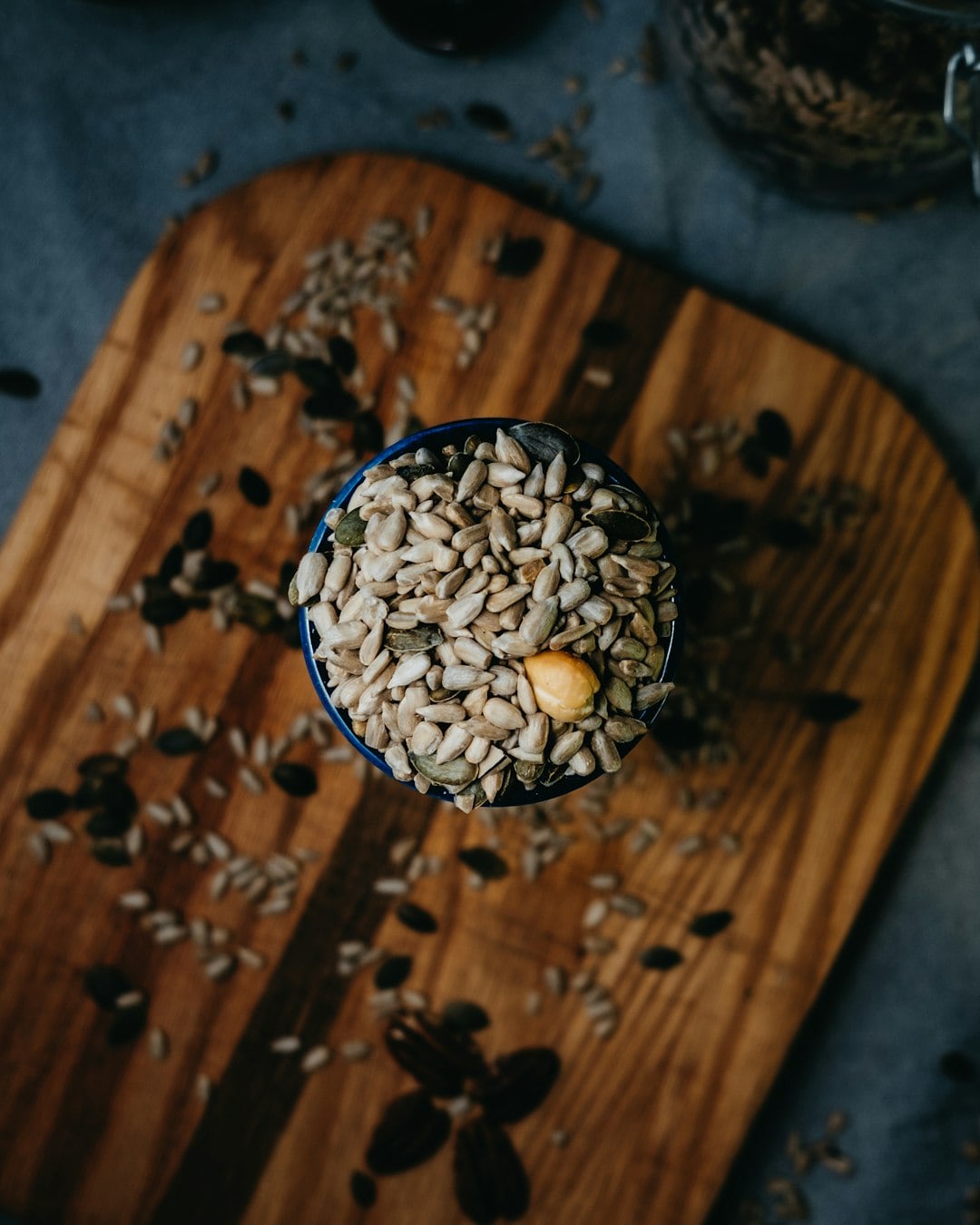
1. Flax Seeds
Benefits: Supports hormone balance, digestion, and is rich in omega-3 fatty acids.
How to eat: Always ground before eating, add to smoothies, curd, oats
Avoid: Whole flax won't digest; avoid if prone to loose stools
2. Chia Seeds
Benefits: Hydration, fibre, and energy.
How to eat: Always soak for 30 minutes to 2 hours. Drink chia water or add to puddings.
Avoid: Eating dry chia seeds may cause bloating or a choking risk
3. Pumpkin Seeds
Benefits: Zinc, immunity, and menstrual health.
How to eat: Lightly roast and eat 1 to 2 tablespoons daily, or sprinkle on salads or snacks.
Avoid: High in calories, so be cautious of overeating if trying to lose weight.
4. Melon Seeds
Benefits: Cooling, digestion, and heart health.
How to eat: Eat raw or roasted; great in seed mixes or laddus.
Avoid: No major concerns, but the cardiologist advises consuming in moderation.
5. Makhana
Benefits: Satiety, protein, and mind-body balance.
How to eat: Roast with ghee and enjoy as a snack, or add to kheer.
Avoid: Packaged masala versions should be avoided, as they are high in sodium.
6. Sesame Seeds
Benefits: Calcium, warmth, and good for skin and hair.
How to eat: Lightly roast the seeds before eating. Use in chutney, laddus, and gajak.
Avoid: Avoid eating excessively in the summer if you run ‘hot’.
7. Fennel Seeds
Benefits: Digestion, cooling, and breath freshener.
How to eat: Chew after meals or add to warm water.
Avoid: Excessive eating should be avoided for better digestion.
8. Coriander Seeds
Benefits: Provides light digestive support and offers relief from bloating.
How to eat: Soak overnight and drink the water.
Avoid: Very safe and mild in nature.
9. Poppy Seeds
Benefits: Calming, sleep support, and contains healthy fats.
How to eat: Soak before grinding and add to curries or desserts.
Avoid: Large amounts may cause drowsiness.
10. Sunflower Seeds
Benefits: It is rich in vitamin E; therefore, it is great for your skin and heart health.
How to eat: Lightly roast the seeds before consuming, and add to bowls or yoghurt.
Avoid: Salted versions can be high in sodium.
11. Hemp Seeds
Benefits: It is a complete protein and contains omega-3 fatty acids.
How to eat: Sprinkle on salads, soups, and smoothies.
Avoid: It is a calorie-dense seed, so keep consumption moderate.
12. Watermelon Seeds
Benefits: Rich in magnesium and iron, and is a great plant protein source.
How to eat: Use roasted seeds, and they can be added to trail mixes.
Avoid: High in calories; therefore, portion control is advised.
Note to readers: This article is for informational purposes only and not a substitute for professional medical advice. Always seek the advice of your doctor with any questions about a medical condition.
This report is based on user-generated content from social media. HT.com has not independently verified the claims and does not endorse them.


Catch your daily dose of Fashion, Taylor Swift, Health, Festivals, Travel, Relationship, Recipe and all the other Latest Lifestyle News on Hindustan Times Website and APPs.


