
 E-Paper



Cutting back on meat in Ramadan 2025? Dietitian recommends 6 best protein alternatives to keep you stronger, healthier

 Prefer HTon Google



Ramadan nutrition hacks: 6 foods to get enough protein without eating meat.
It's excellent that people are exploring alternative protein sources, especially during Ramadan, whether for health, ethical or environmental reasons. According to health and fitness experts, valuable protein alternatives are particularly relevant during fasting periods to maintain muscle mass.
In an interview with HT Lifestyle, Dr Rajeshwari Panda, Head of the Dietetics Department at Medicover Hospital in Kharghar Navi Mumbai, shared, “Protein is essential for preserving muscle mass, which can be a concern during prolonged fasting. Alternative sources provide vital amino acids.”
She explained, “Protein helps you feel full and satisfied, which is crucial for managing hunger during long fasts. Many plant-based protein sources are rich in fibre, promoting healthy digestion.”
Top alternative protein sources
Dr Rajeshwari Panda suggested,
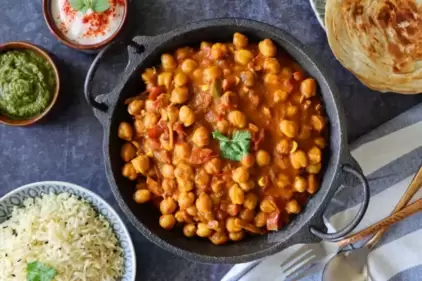
1. Legumes (lentils, chickpeas, beans):
These are excellent sources of protein and fibre. They're versatile and can be used in soups, stews, salads and dips. Lentil soup is a very popular iftar dish.
2. Tofu and tempeh:
Made from soybeans, these are complete protein sources. They can be marinated, stir-fried, or added to various dishes.
3. Quinoa:
A complete protein grain, meaning it contains all nine essential amino acids. It's a versatile grain that can be used in salads, side dishes and main courses.
4. Nuts and seeds:
Almonds, walnuts, chia seeds, and flaxseeds are good sources of protein and healthy fats. They can be added to smoothies, yogurt, or eaten as snacks.
5. Greek yogurt:
A high-protein dairy option that's also rich in probiotics. It's a great choice for suhoor or a light iftar.

6. Eggs:
While not a plant based protein, they are a very good alternative to red meats, and are a very complete protein source.
Dietitian's tips:
- Combine Protein Sources: Combining different plant-based protein sources throughout the day ensures you get all the essential amino acids.
- Pay Attention to Portion Sizes: Ensure you're consuming adequate amounts of protein to meet your individual needs.
- Hydration: Remember to drink plenty of water, especially when consuming high-fiber protein sources.
- Meal Planning: Planning meals ahead of time will help you to ensure that you are getting enough protein during your non fasting hours.
By incorporating these alternative protein sources into your Ramadan meals, you can maintain your health and energy levels while reducing your meat consumption.
Note to readers: This article is for informational purposes only and not a substitute for professional medical advice. Always seek the advice of your doctor with any questions about a medical condition.


Catch your daily dose of Fashion, Taylor Swift, Health, Festivals, Travel, Relationship, Recipe and all the other Latest Lifestyle News on Hindustan Times Website and APPs.


