
 E-Paper



Doctor lists five vegetables that are good for heart health: Rich in fibre, vitamins, minerals, and antioxidants

 Prefer HTon Google


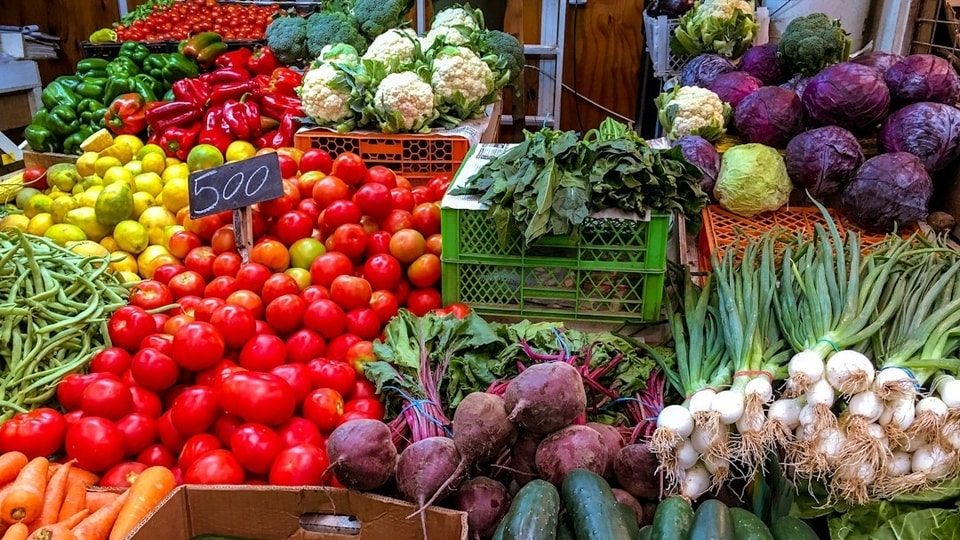
Vegetables like tomatoes, beetroot, cabagges, leafy greens and carrots are rich in essential micronutrients that benefit cardiac health, explains Dr Kaukuntla.
Heart disease remains one of the biggest health concerns worldwide and is also among the leading causes of death, according to cardiothoracic surgeon Dr Hemanth Kaukuntla. A senior consultant cardiothoracic surgeon at Renova Century Hospital in Banjara Hills, Hyderabad, Dr Kaukuntla has over 25 years of experience in heart and lung surgery.
While factors such as genetics, age, smoking, diabetes and high blood pressure can significantly affect heart health, Dr Kaukuntla says that diet is also an important part of the equation.
Also Read | Fitness influencer shows how to make samosas healthy with recipe that is rich in protein and fibre
While thinking of heart health, people often forget about what they are eating. “A bad diet can nullify other lifestyle changes you might have achieved to protect your heart," the doctor tells HT Lifestyle.
According to the surgeon, vegetables are among the simplest and most effective dietary choices for protecting the heart. “They are rich in fibre, vitamins, minerals and antioxidants, and these help maintain blood pressure, improve cholesterol levels and support a healthy body weight - factors which sometimes are overlooked,” he pointed out.
Dr Kaukuntla noted that no single vegetable can prevent a heart attack, but regularly eating a variety of vegetables can make a big difference. He went on to list five vegetables that need to be a part of our regular meals for a healthy heart.
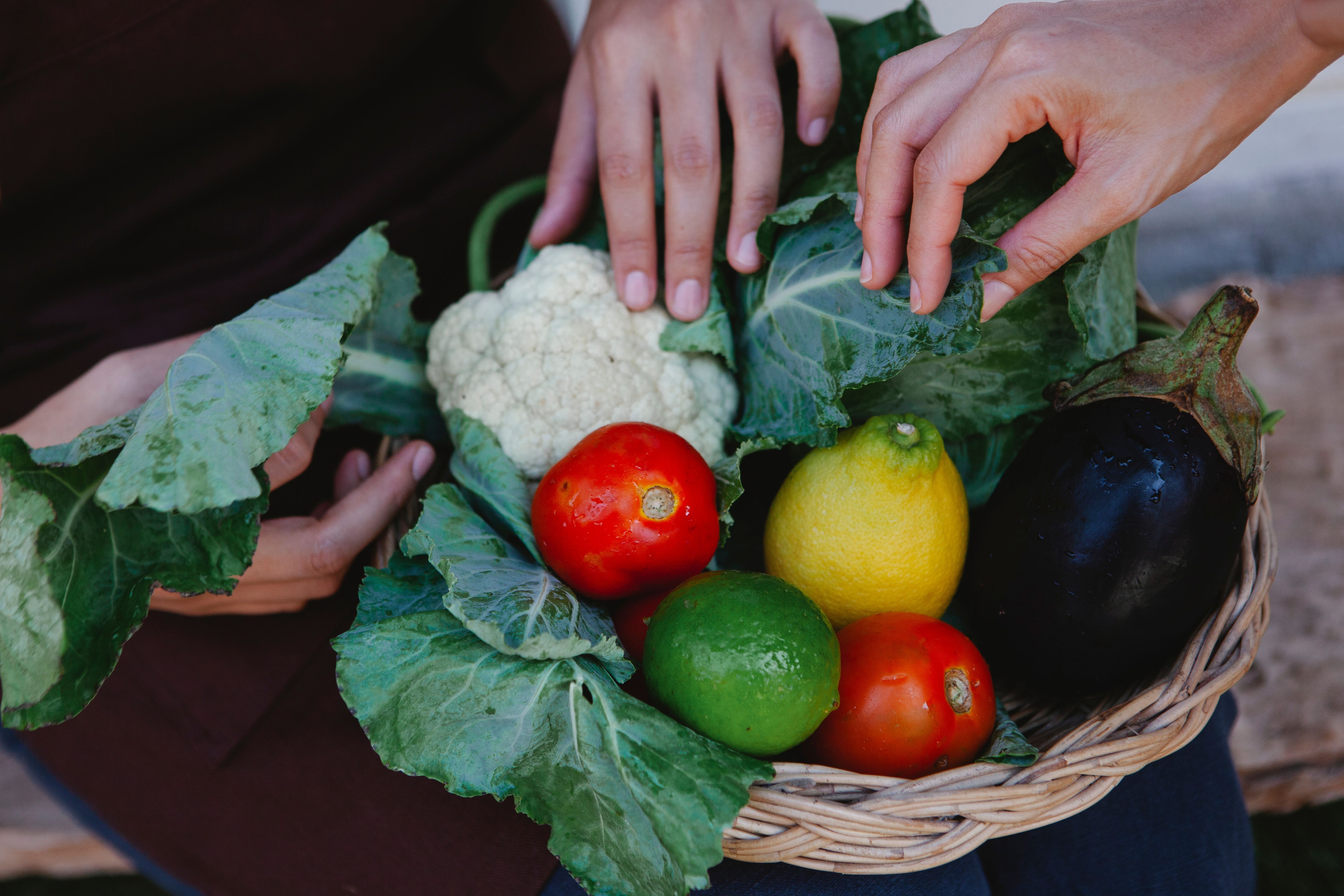
1. Tomatoes
Tomatoes are rich in lycopene, a powerful antioxidant, shared the cardiothoracic surgeon. Lycopene helps protect cells from oxidative damage, while tomatoes also provide potassium and vitamin C.
“Not raw tomatoes, but cooking tomatoes can increase the availability of lycopene. Homemade tomato curry, soup or a simple tomato salad can add health to everyday meals,” he noted.
2. Beetroot
Beetroot contains natural nitrates that the body converts into nitric oxide, a substance that helps blood vessels relax and improves blood flow, Dr Kaukuntla highlighted.
“Some studies suggest that beetroot and beetroot juice can also modestly lower blood pressure,” he added. “Beetroot can be enjoyed in salads, curries or soups. Please remember that it should not replace blood pressure medication if you are taking medicines.”
3. Cabbage
Cabbage is an inexpensive, widely available vegetable that deserves greater recognition for its cardiovascular benefits.
As Dr Kaukuntla explained, “It provides dietary fibre and vitamin C. Fibre supports cholesterol control, and antioxidants help protect cells against damage. Cabbage is also low in calories, making it useful for maintaining a healthy weight.”
The surgeon suggested including cabbage in vegetable curries, salads or lightly cooked dishes, but cautioned against adding too much oil and salt.
4. Spinach and other leafy vegetables
Spinach and other leafy vegetables like amaranth and fenugreek can provide potassium, magnesium, folate and dietary nitrates, shared Dr Kaukuntla.
“Potassium helps regulate blood pressure by balancing the effects of sodium,” he stated, adding that natural nitrates and antioxidants also have their benefits as previously mentioned.
5. Carrots and sweet potatoes
Carrots and sweet potatoes provide beta-carotene, fibre and potassium. Dr Kaukuntla noted that their fibre supports cholesterol control, while potassium contributes to healthy blood pressure.
His advice: “Choose boiled, steamed or roasted preparations rather than deep-fried versions. Be careful if you are a diabetic. Sweet potatoes contain carbohydrates and may increase blood sugars.”
General guidelines for consuming vegetables
- Eat at least five portions of fruits and vegetables each day.
- Include vegetables of different colours rather than relying on just one or two varieties.
- Make vegetables a part of every main meal. Add leafy greens to dal, cabbage to curries and tomatoes to salads.
- Prefer steaming, boiling, roasting or cooking with modest amounts of oil.
- Reduce excess salt, deep-fried foods and heavily processed vegetable products.
- Combine a vegetable-rich diet with regular exercise, smoking cessation and appropriate medical treatment.
In the words of the surgeon, “Vegetables are most protective when they form part of an overall healthy lifestyle. They work alongside whole grains, pulses, nuts and other nutritious foods to reduce cardiovascular risk. For people with high blood pressure, diabetes or high cholesterol, dietary changes are valuable additions to appropriate medical treatment.”
Note to readers: This article is for informational purposes only and not a substitute for professional medical advice. Always seek the advice of your doctor with any questions about a medical condition.


Catch your daily dose of Fashion, Taylor Swift, Health, Festivals, Travel, Relationship, Recipe and all the other Latest Lifestyle News on Hindustan Times Website and APPs.


