
 E-Paper



French biochemist reveals how cooking methods impact blood glucose spikes: ‘When pasta is cooked for a long time…’

 Prefer HTon Google


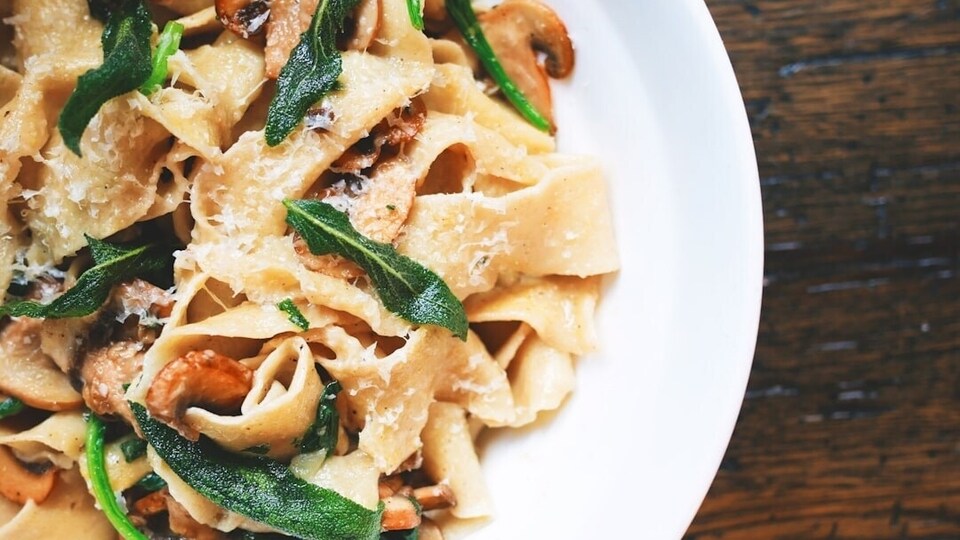
Pay attention, pasta lovers! This cooking trick revealed by French biochemist Jessie Inchauspé can make your plate of spaghetti cause less metabolic stress.
From creamy Alfredo to a comforting bowl of spaghetti, pasta is a universal favourite for many. But while it satisfies cravings, most pasta lovers rarely stop to think about how it impacts the body - especially blood sugar levels. The way pasta is cooked can make all the difference in how quickly glucose enters the bloodstream and how the body responds.
Jessie Inchauspé, a French biochemist, NYT bestselling author, and health activist popularly known as the Glucose Goddess on social media, has explained how the way pasta is cooked can directly influence blood sugar spikes. In an Instagram post from September 15, the biochemist used a glucose graph to highlight how blood sugar spikes differ when pasta is overcooked compared to when it is eaten al dente. She also shared simple hacks to help minimise glucose spikes when eating pasta.
Pasta and glucose
According to Jessie, “Pasta is about 75% starch and starch is just chains of glucose molecules.” When we eat pasta, the starch is broken down into glucose and absorbed, which directly impacts blood sugar levels.
Overcooked vs. al dente
Jessie points out that the method used for cooking pasta can lead to interesting outcomes. She says, “When pasta is cooked for a long time, the starch becomes really easy to digest. So the glucose rushes into our blood faster and we see a big spike.” On the contrary, when pasta is cooked al dente, the starch structure is not fully deconstructed, which makes it a little harder and slower to digest. The biochemist continues, “So, I've noticed that the spike as well as the area under the curve, which means the time spent with high glucose, are both a little smaller.”
Another trick mentioned by Jessie to reduce the impact of eating pasta on blood glucose is to consume cold pasta that has been reheated. She explains, “If you cook, cool, then reheat pasta, some of the starch turns into resistant starch. That means your body absorbs less of it as glucose - meaning slightly smaller spike, and slightly less impact on your body.”
Also Read | Should women really fast? French biochemist reveals the best time to do it and the 3 golden rules to follow
Health benefits
A reduced glucose spike means less inflammation, lower insulin release, and decreased physiological stress on the body. Over time, this can play a role in supporting better metabolic health.
Note to readers: This article is for informational purposes only and not a substitute for professional advice. It is based on user-generated content from social media. HT.com has not independently verified the claims and does not endorse them.


Catch your daily dose of Fashion, Taylor Swift, Health, Festivals, Travel, Relationship, Recipe and all the other Latest Lifestyle News on Hindustan Times Website and APPs.


