
 E-Paper


High AQI alert: From acne and premature ageing to hair fall, dermatologist shares 10 tips to protect your skin and hair

 Prefer HTon Google



With Delhi-NCR and Mumbai battling air pollution, your skin and hair may be paying the price. Dermatologist explains the damage and shares tips to protect them.
With pollution levels continuing to rise across Delhi-NCR, your skin and hair may be feeling the impact too. From unexpected breakouts and dullness to scalp irritation and hair fall, smog can take a toll on your everyday beauty routine.
In an interview with HT Lifestyle, Dr Anil KV Minz, senior dermatologist, Marengo Asia Hospitals and Genesis Skin and Hair Clinic, Faridabad, explains how rising pollution levels affect skin and hair health, the warning signs to watch out for, and essential skincare and haircare precautions during high-AQI days. (Also read: Cancer in young adults: Oncologist explains 9 early warning signs and common myths )
How air pollution damages the skin and hair
“Air pollution has a significant impact on both skin and hair. Tiny particulate matter and pollutants settle on the skin, clog pores and can trigger acne flare-ups, sudden breakouts and skin eruptions. During periods of high AQI, people may notice that their skin becomes rougher, duller and more acne-prone,” says Dr Minz.
“Prolonged exposure to high levels of air pollution can contribute to premature ageing. The free radicals generated by pollutants accelerate collagen breakdown and can lead to increased wrinkles and other visible signs of ageing,” explains Dr Minz.
“Pollution weakens the skin barrier, making the skin more sensitive and irritable. People may experience redness, itching, burning sensations and increased sensitivity that were not present before the rise in AQI,” he adds.
Exposure to pollutants such as particulate matter, polycyclic aromatic hydrocarbons (PAHs) and ozone can aggravate oxidative stress and inflammation. These effects may worsen existing skin conditions, including psoriasis, eczema and atopic dermatitis. Long-term exposure to certain pollutants may also contribute to an increased risk of skin malignancies.

“Pollutant particles deposited on the scalp can increase inflammation and affect the hair shaft. This may contribute to increased hair breakage, hair shedding, dryness and loss of shine. Over time, the hair may become rough, dull and more difficult to manage,” says Dr Minz.
Early signs of pollution-induced skin and hair damage
Recognising the early warning signs can help prevent further irritation and damage.
Skin-related signs include:
- A tight or uncomfortable feeling after washing the face.
- Dullness, roughness or flaky patches.
- Redness, itching or a burning sensation.
- Increased pimples, clogged pores or acne flare-ups.
- Uneven skin tone, dark spots and pigmentation.
- Increased sensitivity or the appearance of fine lines.
“These symptoms may indicate that the skin barrier has become compromised. However, pollution is not the only possible cause. Over-cleansing, excessive exfoliation, using too many acids, harsh products containing alcohol or fragrance, and inadequate moisturisation can also damage the skin barrier,” Dr Minz explains.
Hair and scalp-related signs include:
- Dry, rough or frizzy hair.
- Scalp itching, irritation or flaking.
- Increased hair breakage.
- Increased hair shedding or visible thinning.
- Loss of shine and manageability.
Essential skincare and haircare tips for high-AQI days
In an interview with HT Lifestyle, Dr Anil KV Minz recommends the following precautions to protect your skin and hair during periods of high pollution.
1. Limit outdoor exposure: Stay indoors as much as possible when AQI levels are severe to minimise exposure to pollutants.
2. Include antioxidants: A balanced diet rich in antioxidants may help combat oxidative stress. Consult a healthcare professional before taking supplements such as vitamins C and E, zinc or omega-3 fatty acids.
3. Stay hydrated: Drink adequate water and use a moisturiser suited to your skin type.
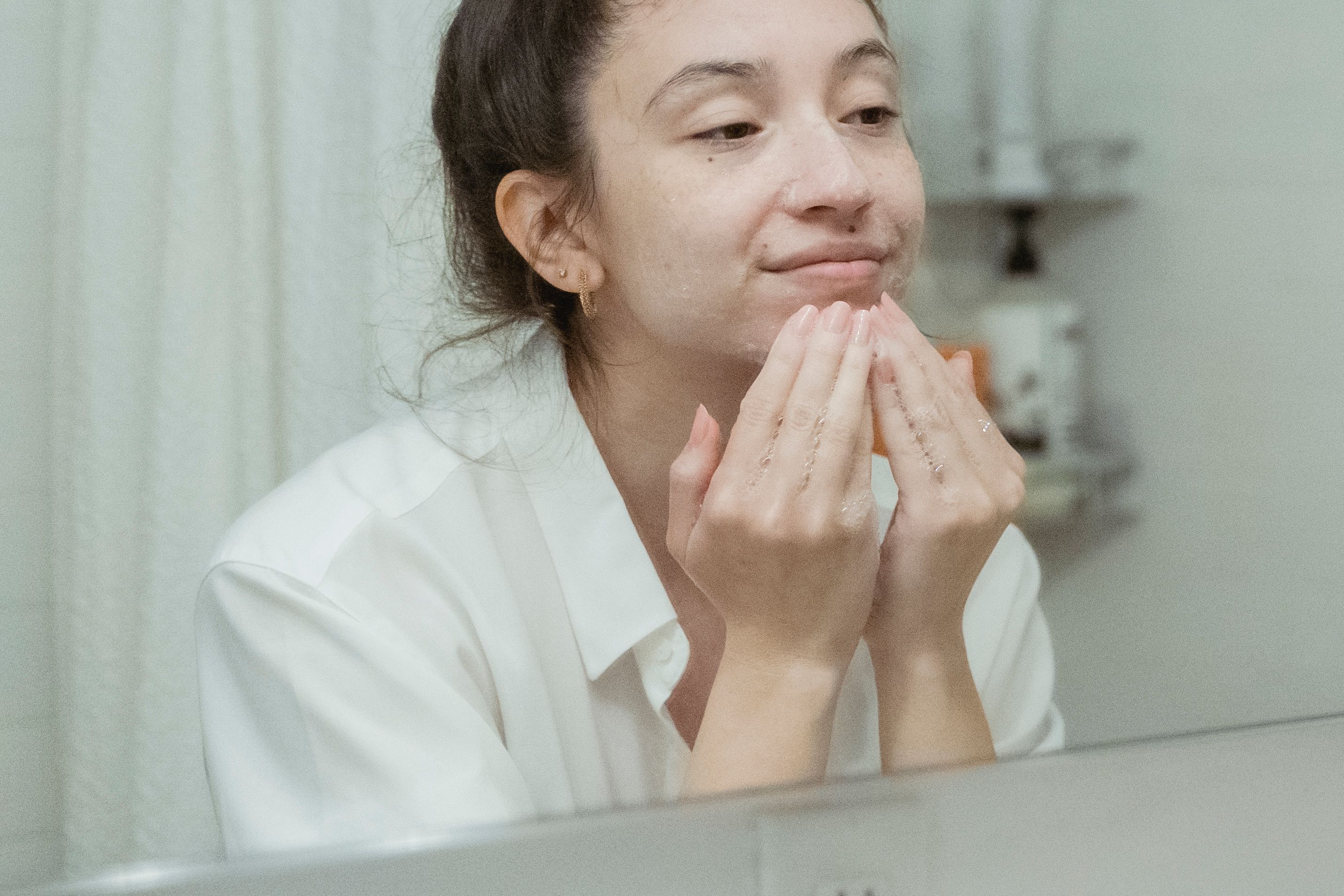
4. Cleanse gently: Wash your face thoroughly at the end of the day to remove dirt, sunscreen and accumulated pollutants. Avoid harsh scrubs and excessive cleansing.
5. Apply sunscreen: Use broad-spectrum sunscreen with SPF 30 or higher to protect against UV damage.
6. Follow a night-time routine: Cleanse your skin and apply a ceramide-rich moisturiser to support skin barrier repair.
7. Wash your hair after exposure: Use a gentle shampoo after spending time in dusty or polluted environments.
8. Protect your hair and scalp: Wear a clean, breathable hat or scarf outdoors and use an appropriate face mask in heavily polluted areas.
9. Use conditioner: Apply conditioner to the mid-lengths and ends to reduce friction, tangling and breakage.
10. Avoid irritating products: Choose gentle, fragrance-free haircare products if you have a sensitive scalp.
Mistakes to avoid
Dr Minz advises avoiding the following habits during high-pollution days:
- Overwashing or aggressively scrubbing the face.
- Skipping sunscreen and moisturiser.
- Washing the face and hair with very hot water.
- Using excessive exfoliants, harsh cleansers or irritating products.
- Sleeping without removing makeup, sunscreen and accumulated dirt.
- Experimenting with unsuitable viral skincare trends.
- Leaving the scalp unwashed after heavy pollution exposure.
- Applying heavy hair oil before stepping outdoors.
- Leaving hair and scalp uncovered in heavy smog.
- Excessive use of heat-styling tools.
- Using harsh shampoo without conditioning.
“During periods of high pollution, focus on protecting the skin barrier and maintaining healthy haircare habits. Seek professional advice if you experience persistent irritation, worsening acne or excessive hair shedding,” concludes Dr Minz.
Note to readers: This article is for informational purposes only and not a substitute for professional medical advice. Always seek the advice of your doctor with any questions about a medical condition.


Catch your daily dose of Fashion, Taylor Swift, Health, Festivals, Travel, Relationship, Recipe and all the other Latest Lifestyle News on Hindustan Times Website and APPs.


