
 E-Paper



Is your home healthy for your children? Paediatrician shares 5 everyday changes parents can make to reduce risks

 Prefer HTon Google


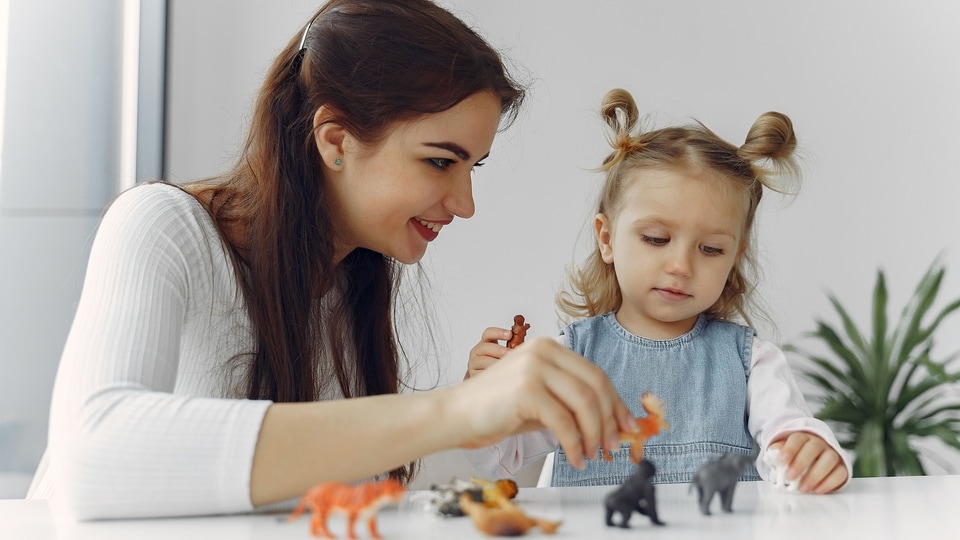
Making the home environment safe for children goes beyond simple regular cleaning; Dr Rajiv Chhabra shares five things to keep in mind.
A healthy home is not only about keeping the rooms clean. Paediatrician Dr Rajiv Chhabra pointed out that children spend a lot of time indoors in the early years, so everyday household habits can affect their breathing, sleep, nutrition, skin health and overall development.
Minor adjustments to the home environment can lower exposure to preventable health hazards and provide a safer environment for children to develop in. he went on to share five such changes with HT Lifestyle, which are presented as follows.
1. Keeping indoor air clean
Indoor air quality can be affected by dust, cooking smoke, incense, mosquito repellents and strong fragrances, pointed out Dr Chhabra.
“Kitchens should be well ventilated, and when cooking, an exhaust fan should be used,” he noted. “Dusty surfaces should be wiped down regularly to keep the air clean. Open up the home to fresh outdoor air when pollution levels are low, if possible.”
2. Making cleaning safe for children
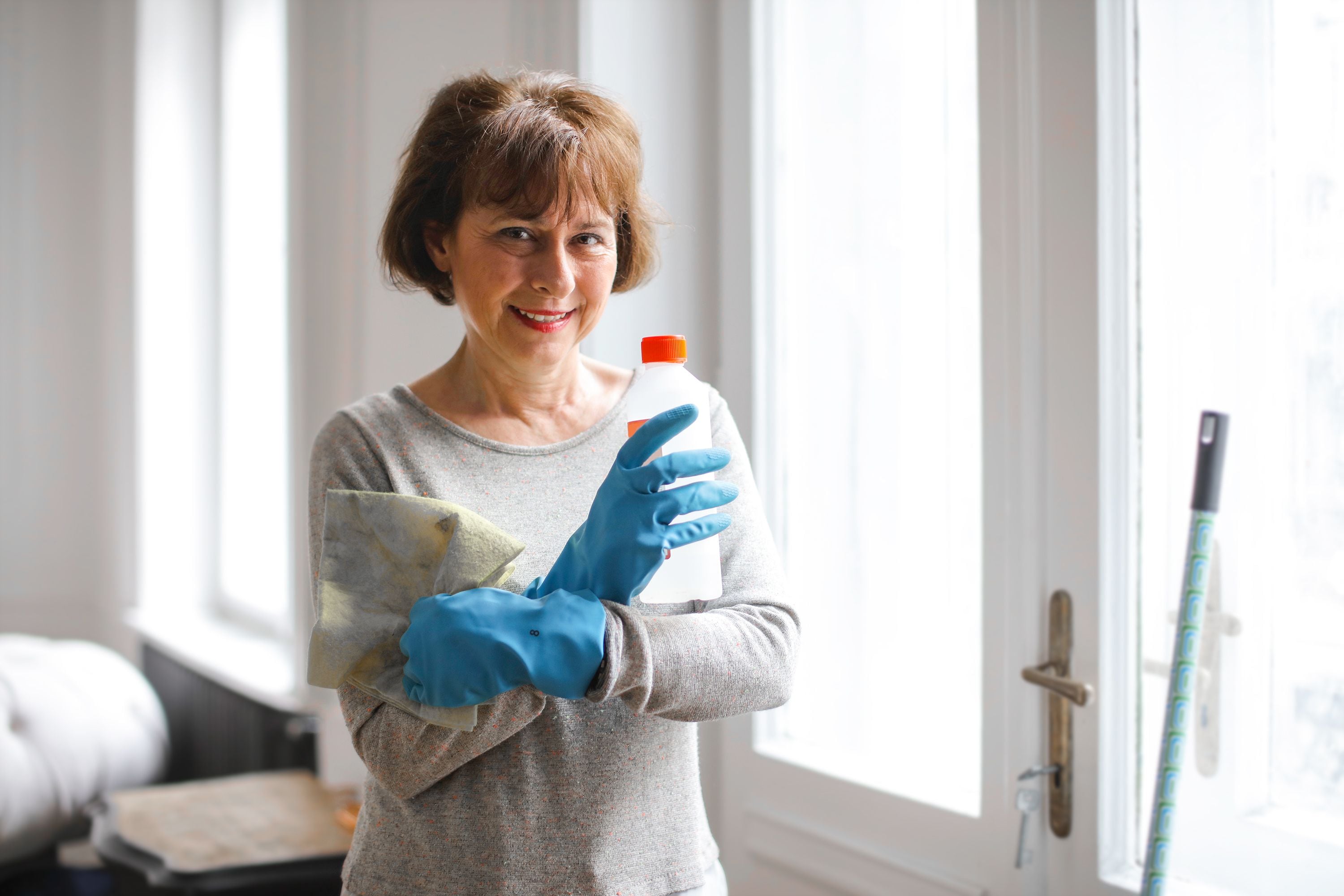
Regular cleaning helps to control dust, mold and allergens, but Dr Chhabra cautioned that cleaning products can be harmful if they are misused.
“Store detergents, disinfectants, pesticides and other chemicals in their original containers and well out of reach of children. Never combine cleaning chemicals, as certain combinations can produce dangerous fumes,” he advised.
3. Building a safer food environment
According to the paediatrician, children’s health is greatly influenced by what they have easy access to at home.
“Keep fruits, vegetables, pulses, whole grains and other nutritious foods within everyday reach. Limit the availability of sugary drinks, packaged snacks and highly processed foods,” he advised. “Proper handwashing before eating, clean drinking water and safe food storage also play a role in preventing infections.”
4. Protecting sleep and daily routine
A healthy home is good for sleep. In the words of Dr Chhabra, “Make bedrooms comfortable, quiet and fairly dark at night. Avoid screen time before bed as well as maintain a regular sleep and wake schedule. Good sleep helps children learn, feel good, fight infections and grow physically.”
5. Reducing hidden household hazards
When trying to make the home safer for children, adults need to look beyond obvious dangers, noted Dr Chhabra.
“Keep medicines, batteries, sharp objects and small items out of the reach of children that could be swallowed. Good ventilation is particularly important in damp areas because continuous moisture can lead to the development of mold,” he stated.
“Parents don’t need to make a perfect home,” he explained. “The goal is to identify everyday exposures that can be reduced and create simple, consistent habits. Cleaner air, safer storage, nutritious food, good hygiene, adequate ventilation and healthy routines can together build a stronger foundation for a child’s health at home.”
Note to readers: This article is for informational purposes only and not a substitute for professional medical advice. Always seek the advice of your doctor with any questions about a medical condition.
Dr Rajiv Chhabra is the chief of the paediatric department at Artemis Hospital, Gurugram, with extensive experience in the management of neonatal and paediatric emergencies, medical and surgical neonatal intensive care.


Catch your daily dose of Fashion, Taylor Swift, Health, Festivals, Travel, Relationship, Recipe and all the other Latest Lifestyle News on Hindustan Times Website and APPs.


