
 E-Paper



US woman gets a second chance in life after pig kidney transplant: 'I'm overjoyed'

 Prefer HTon Google


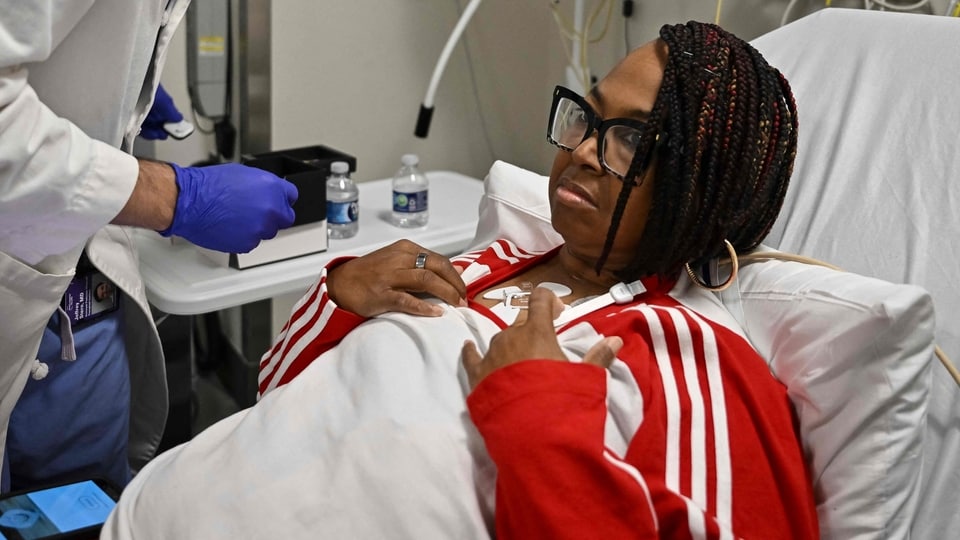
Towana Looney became the first living recipient of a gene-edited pig kidney transplant. It is a significant advancement in xenotransplantation.
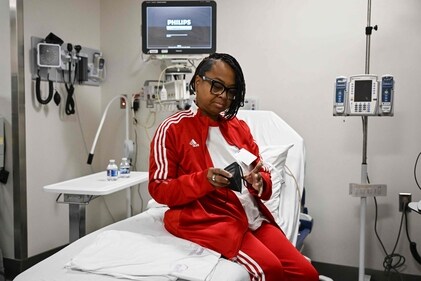
Towana Looney donated a kidney to her mother in 1999, only for the remaining one to fail years later due to pregnancy complications. Now, the 53-year-old from Alabama has become the latest recipient of a gene-edited pig kidney -- and is currently the only living person in the world with an animal organ transplant, New York's NYU Langone Hospital announced Tuesday.
"I'm overjoyed, I'm blessed to have received this gift, this second chance at life," Looney said during a press conference held three weeks after the procedure.
Xenotransplantation, transplanting organs from one species to another, has long been a tantalizing yet elusive scientific goal. Early experiments on primates faltered, but recent advances in gene editing and immune system management have brought the dream closer to reality.
Pigs have emerged as the ideal donors: they grow quickly, produce large litters and are already part of the human food supply.
Advocates hope this approach can help address the severe organ shortage in the United States, where more than 100,000 people are waiting for transplants, including over 90,000 in need of kidneys.
Also Read | Kidney transplants are safe between people with HIV: New study shows
A last chance
Looney had been living with dialysis since December 2016 -- eight gruelling years. High blood pressure caused by preeclampsia had taken its toll, leaving her with chronic kidney disease.
Despite receiving priority on transplant waiting lists as a living donor, her search for a compatible kidney was a frustrating dead end. Her unusually high levels of harmful antibodies made rejection almost inevitable, and as her body lost viable blood vessels to support dialysis, her health declined.
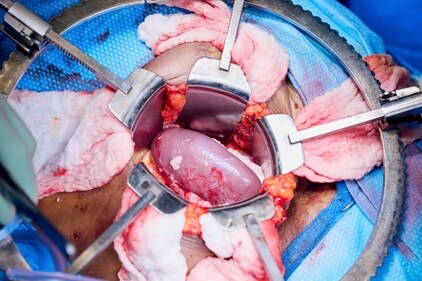
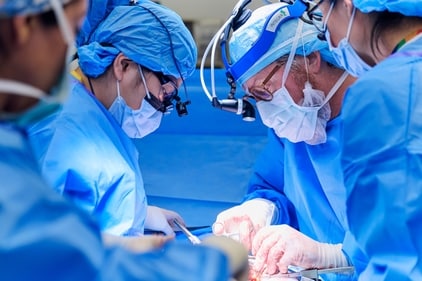
Out of options, Looney applied to join a clinical trial for pig kidney transplants, and finally underwent the seven-hour surgery on November 25.
Asked how she felt afterwards, Looney's joy was infectious. "I'm full of energy, I've got an appetite... and of course, I can go to the bathroom. I haven't been going in eight years!" she laughed, adding that she plans to celebrate at Disney World.
Jayme Locke, a surgeon on the transplant team, described the results with awe. "The kidney functioned essentially exactly like a kidney from a living donor," she said, adding that Looney's husband saw a rosiness in her cheeks for the first time in years.
"That is the miracle of transplantation."
Cautious optimism
Looney's surgery is the third time a gene-edited pig kidney has been transplanted into a human who is not brain dead.
Rick Slayman, the first recipient, died in May, two months after his procedure at Massachusetts General Hospital. The second, Lisa Pisano, initially showed signs of recovery following her surgery at NYU Langone, but the organ had to be removed after 47 days, and she passed away in July.
Looney, however, was not terminally ill before the transplant, noted Robert Montgomery, who led the surgery. Each case, he emphasized, provides critical lessons for refining the techniques.
The kidney was provided by biotech company Revivicor, which breeds genetically modified herds in Virginia. A Massachusetts-based company, eGenesis, provided the kidney for Slayman.
Looney's organ has 10 genetic edits to improve compatibility with the human body -- an advance over Revivicor's earlier efforts that used kidneys with a single gene edit and included the pig's thymus gland to help train the host's immune system and prevent rejection.
Montgomery, a pioneer in the field who performed the world's first gene-edited pig organ transplant in a brain-dead patient in 2021, said both methods are likely to enter clinical trials "probably by this time next year, or even sooner."
"This is a watershed moment for the future of transplantation," said Kevin Longino, CEO of the National Kidney Foundation. The nonprofit's polling shows that patients and families favour faster clinical trial progress, believing the risk of inaction outweighs the uncertainties of xenotransplantation.
Looney was discharged on December 6 to a nearby New York City apartment. Though her high antibody levels remain a concern, doctors are monitoring her closely using wearable technology and are trying a novel drug regimen to prevent rejection.
Periodic hospital visits may still be required, but the team remains optimistic she can return home in three months.


