
 E-Paper



The battle over sex and gender identity reaches India’s Supreme Court
The TERF wars come to India

 Prefer HTon Google


A contentious and deeply divisive debate over the difference between sex and gender identity officially landed at India’s Supreme Court last week. A petition filed by the India branch of Women’s Declaration International (WDII) brings to the fore the basic question of identity that is roiling the gender debate in the West.
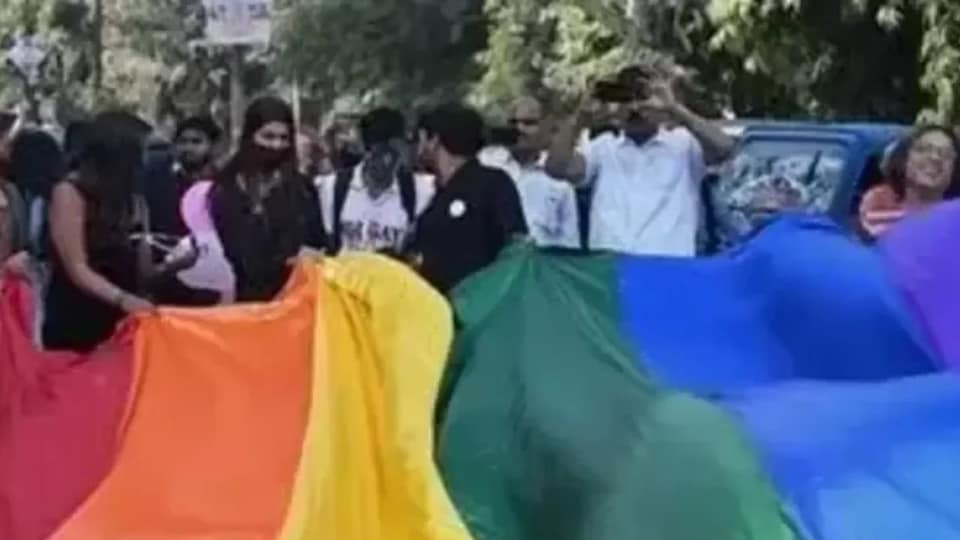
It argues that sex is binary and cannot be altered through any means—not surgery, not hormones and certainly not self-identification.
It insists that legal recognition of gender identity cannot entitle a person to the constitutional and statutory protections provided to women. Citing examples from Kerala where two transgender women contested panchayat elections for seats reserved for women, the petition raises concerns about recruitment to women-specific posts, participation in women’s sport and also admission to women’s hostels and placement in women’s prisons.
It challenges not just the amendment to the Transgender Act passed by Parliament in March this year, but also the 2019 Transgender Persons (Protection of Rights) Act and even goes back further to the Supreme Court’s landmark 2014 NALSA judgment that recognised the right of transgender people to legal recognition of their gender identity.
On October 28, A three-judge bench of chief justice Surya Kant and justices Joymalya Bagchi and V. Mohana issued notice to the Centre and tagged the petition with other challenges to the 2026 amendment that are already pending in court.
Senior advocate Amit Sibal who filed the petition on behalf of WDII declined to comment saying the matter was sub judice.
Long history
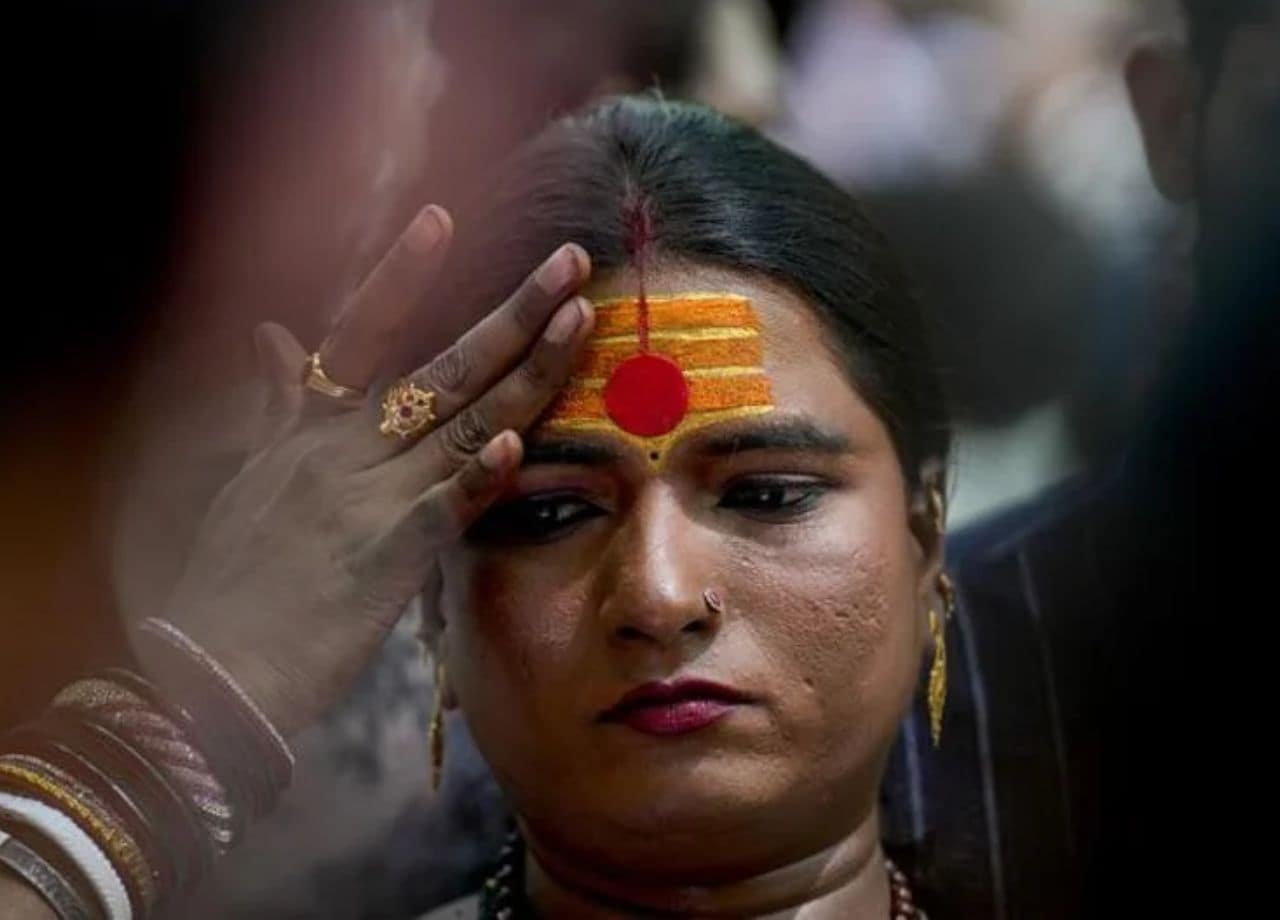
India has a long history of acknowledging communities that do not fit into the male- female binary. Hijra, kinnar, aravani, and jogta are some of these communities.
But there are also individual men and women outside these traditional communities who do not identify with their sex assigned at birth. Their responses vary. Some transition through hormone therapy, others undergo surgery, and still others identify as gender fluid.
The Transgender Persons (Protection of Rights) Act of 2019 recognised a person’s right to self-perceived gender identity. It understood gender not as a question of genitals but as a social construct and gave transgender people the right to identify as a man, woman or transgender regardless of the sex they had been assigned at birth.
“It gave me the possibility to live with a body and an identity which aligns with how I feel,” said Raghavi, a lawyer who identifies as female, describing the impact of that law on her life.
In Parliament, prime minister Narendra Modi took ownership of the legislation and included it as one of his government’s many achievements: “The world discusses what India has done for transgenders.”
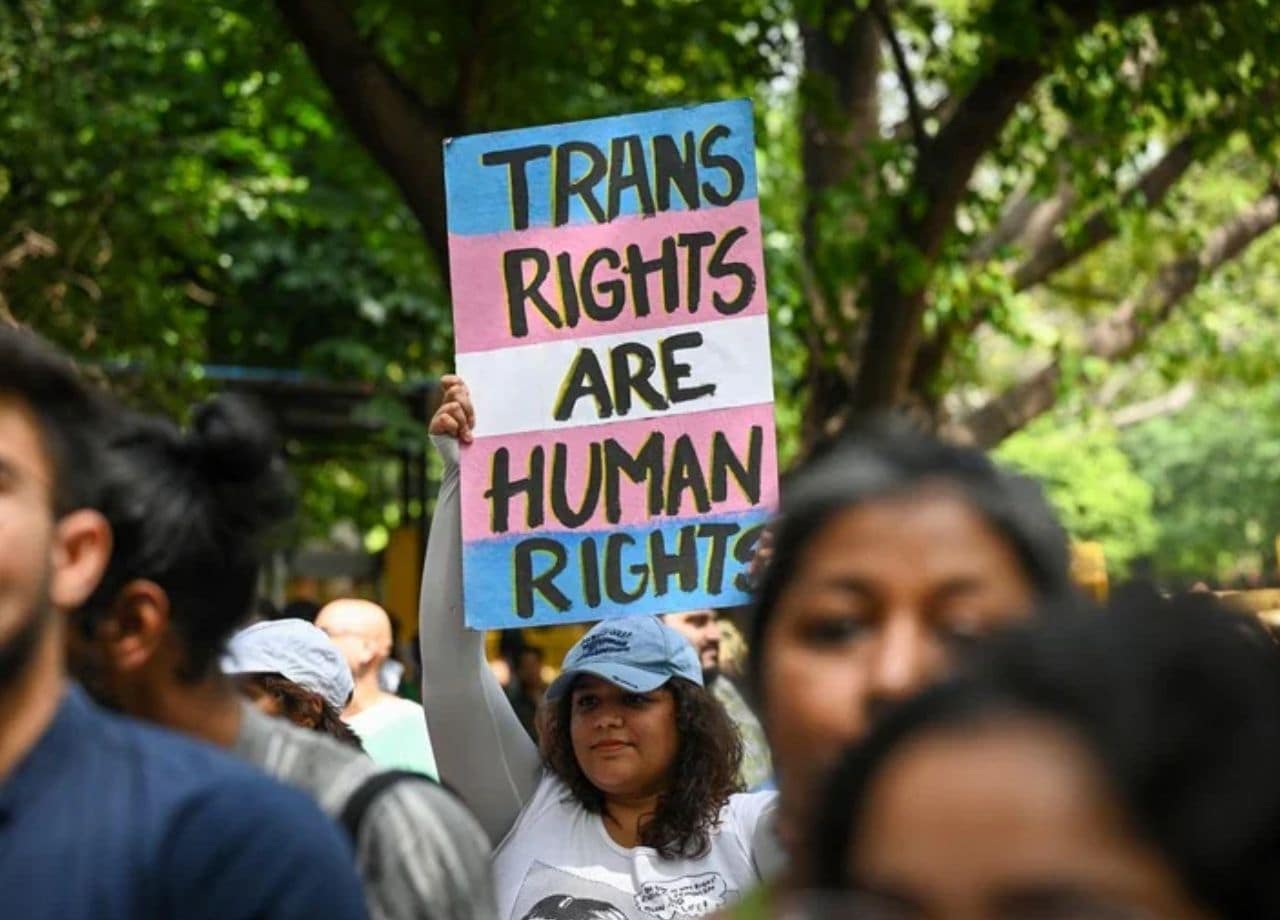
What happened in seven years to prompt the government to effect a 180-degree turn with the March 2026 amendment? Passed without much debate in Parliament or even consultation with the National Council of Transgender Persons, it introduced clauses and restrictions, fundamentally shifting the emphasis from recognition to certification.
No more self-identification, but instead a requirement to appear before a medical board and obtain a magistrate’s approval for certification. The government justified this on the grounds that it was necessary to protect the “genuine oppressed” and prevent the ‘misuse’ of the benefits of a transgender certificate—an astonishing claim given that only 32,509 certificates had been issued in seven years, according to the national portal for transgender persons.
On April 3, the first petition challenging the amendment on constitutional grounds was filed.
Foreign hand?
The trajectory of transgender rights in India seems to be veering towards a global path.
One of the first acts of US president Donald Trump in his second term was to announce a rollback of DEI (diversity, equity and inclusion) policies.
In the UK, the Supreme Court ruled in April 2025 that a woman is defined as someone who is biologically female. The judgment was limited to the purposes of the Equality Act, but it came as a blow to transgender activists.

The judgment made global headlines for two reasons. The first was who was backing the case. Best-selling author J.K. Rowling made no secret of the fact that she had donated to For Women Scotland, the organisation that took the case to court.
But the second and more important were the implications, not just for transgender women’s access to women’s toilets but also for the questions it raised. Where would transgender women be housed in prisons and hospital wards? How would they access domestic violence shelters meant for women? And, of course, could they participate in women’s sport?
Some of the questions were already being raised in India post the March amendment. In the aftermath of the SIR protests in New Delhi, police on October 10 had detained hundreds of protesters, including two transgender women. While the other women were let go, the two were kept in an enclosure earmarked for men. It took several appeals by lawyers for the police to segregate them and eventually let them go.
WDI describes itself as a “group of volunteer women from across the globe dedicated to protecting women’s sex-based rights.”
“If their intent is to say that the rights of women are undermined because trans women are also given rights, then they should be happy with the amendment that shrunk recognition for trans people,” said senior advocate Saurabh Kirpal. “But they are going beyond the amendment, which at least grants some protection, saying there should be no protection for the transgender community at all.”
In India, “There was never this antipathy on the grounds of the distinction between sex and gender; never this animosity between women and transgender women. Transgender women were always seen as women,” continued Kirpal. The coming of the TERF (trans-exclusionary radical feminists) wars to India, a country where transgender communities are well-entrenched is significant. Already it is acquiring ideological contours so far not seen widely in this country. “If there’s an international agenda that wants to weaken transgender rights, then what happens in India will affect other countries especially in the region,” said Kirpal.
“All that transgender people want,” said Raghavi. “Is to be able to live our lives quietly.”


