E-Paper



Chernobyl wolves were over 7 times as abundant as in nearby reserves; researchers found radiation stress and possible immune-gene selection
A 2026 study found biological changes linked to radiation exposure in Chernobyl wolves, including differences in immune-related genes.

 Prefer HTon Google


Wolves living in the Chernobyl Zone have developed a fascinating relationship with their environment. Nearly four decades after the 1986 nuclear disaster, the region has become an unexpected wildlife refuge, with research suggesting that the population there may reach densities several times higher than those in the surrounding areas
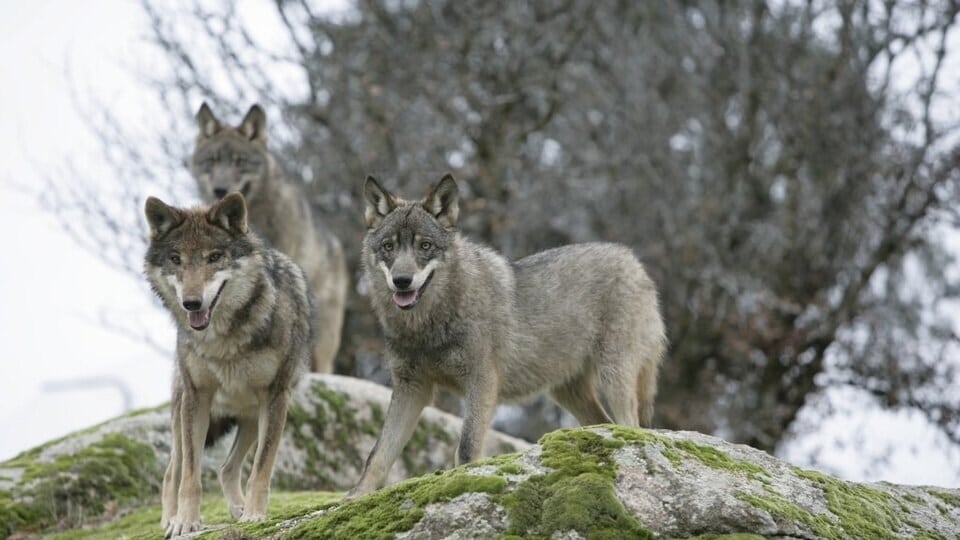
According to a 2026 study published in Molecular Ecology, Chernobyl wolves show biological signals of radiation stress and possible natural selection in genes linked to immune function. The findings shed light on a closer relationship between predators and their environment shaped by radioactive contamination. Nevertheless, scientists emphasize that genetic differences alone do not suggest animals have become resistant to radiation. Instead, the research raises significant questions about wildlife's reaction to prolonged environmental stress.
How Chernobyl became an unexpected home for wildlife
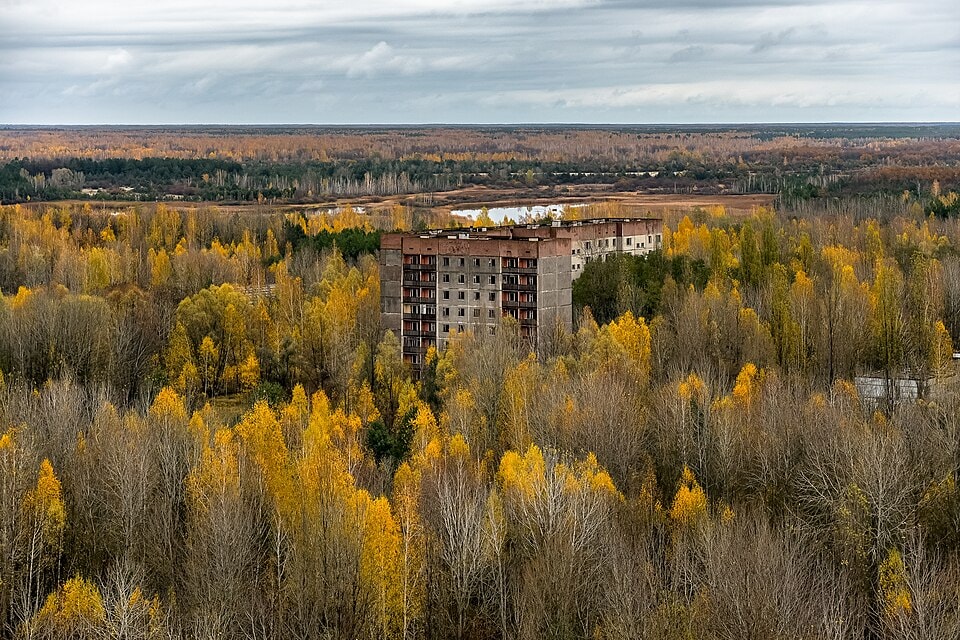
The Chernobyl disaster took place on April 26, 1986, when one reactor at the nuclear plant in northern Ukraine exploded during a safety test. The explosion resulted in the spread of radioactive substances across the parts of Europe and forced people in affected areas to relocate. Over time, the absence of humans began to influence the ecosystem in that part of the world. Vacant villages, forests, fields, and pastures became home to many types of animals such as wolves, deer, and wild boars. This case has intrigued many scientists because these animals continue to survive in areas contaminated with harmful radiation.
A 2015 study published in the Current Biology examined long-term wildlife census data and found that wolf abundance inside the exclusion zone was more than seven times higher than in four uncontaminated regional nature reserves. In addition, they found that other species of large mammals had become abundant as well. Their research suggested that the absence of human activity may have contribute to increase in animal population.
Genetic research reveals signs of radiation related stress
The more recent study has revealed about biological effects on Chernobyl wolves. The scientists were trying to understand how long-term exposure to ionizing radiation could affect the wolves' immune system, gene regulation, and genetic diversity across generations. To investigate, the study compared gray wolves (Canis lupus) from the Chernobyl exclusion zone with gray wolves from northern Belarus, where radioactive contamination is lower. Moreover, the genetic data of Yellowstone National Park wolves from the United States were considered.
Scientists analyzed blood transcriptomes, which carry information about gene activity in blood cells and genetic variation. They were able to see alterations in the creation of leukocytes which is commonly known as white blood cells. These cells play a vital role in protecting the body from various harms such as infections and damaged skin cells. Furthermore, they also found alterations in metabolic and immune pathways, mainly those that are responsible for DNA damage, as ionizing radiation has the ability to cause damage to the DNA in cells. These observations suggest that wolves living in the exclusion zone experience measurable biological changes associated with chronic radiation exposure. However, researchers did not establish that radiation alone caused the observed changes, because population history and ecological factors could also affect the genes.
How wolves may be adapting at the genetic level
The key findings were the discovery of the genetic differences that may be a sign of natural selection. Specifically, the scientists found several regions of accelerated genetic differentiation in Chernobyl wolves where genes involved in the immune system and cancer-related processes were located. Two genes, EMC6 and APBB1IP, drew special attention. These segments play an important role in immune processes in mammals and are known for their involvement in detecting abnormal cells. The scientists pointed out that such changes in genes could be a sign of adaptation to the radiation environment.
Thus, natural selection occurs when genetic traits that give individuals an advantage in survival or reproduction become more common in a population over successive generations. In a radiation-exposed environment, animals carrying genetic variations that help them cope with the cellular effects of radiation might have a survival advantage. However, the study does not prove that Chernobyl wolves have evolved complete resistance to radiation. Instead, the genetic patterns identified by the researchers provide possible evidence of natural selection, rather than confirmation that the wolves have adapted to radiation.