E-Paper



In 1998, Przewalski's horses were brought to Chernobyl; by 2018, researchers counted 137 in Ukraine's exclusion zone despite early deaths and poaching
In 1998, rare Przewalski’s horses were brought to Chernobyl. Despite early deaths and poaching, 2018 camera traps counted 137 in Ukraine’s exclusion zone.

 Prefer HTon Google


Chernobyl is known as a place people had to flee. Yet in 1998, a conservation program brought a rare wild horse there on purpose. A 2019 study by Sergii Gashchak and Sergii Paskevych, published in Theriologia Ukrainica, used camera traps in 2018 and counted 137 Przewalski's horses in the Ukrainian part of the exclusion zone. That number is more impressive when you look at how the story started. Poaching and early losses took their toll, but the herd survived.
A wild horse gets a new home
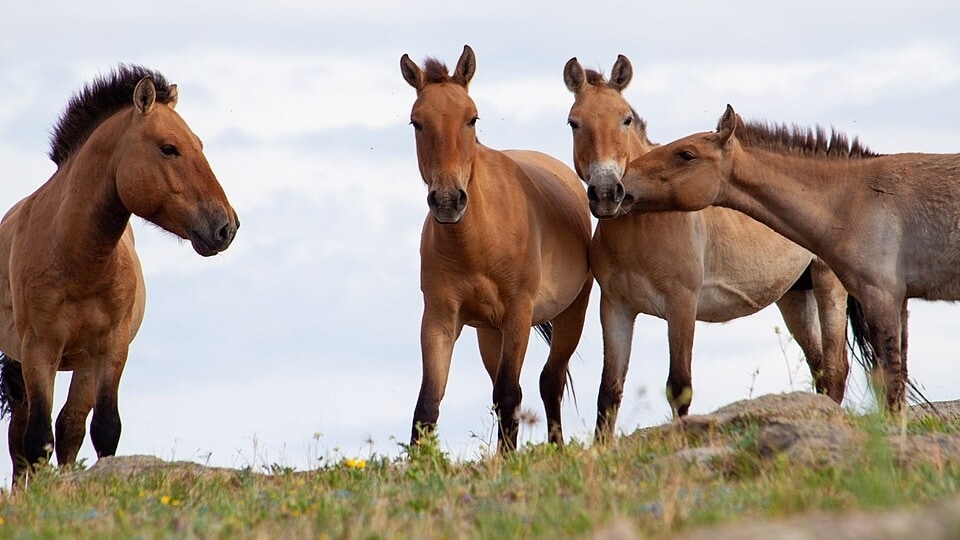
Przewalski's horse is a rare wild horse found in open steppe landscapes. In 1998, the Askania Nova Biosphere Reserve initiated a program to establish a free-ranging herd in the Chernobyl exclusion zone. The aim was to help restore the area’s biodiversity. According to a 2008 paper by Zharkikh and Yasynetska, 31 horses were transferred there in 1998 and 1999. Ten males and 18 females were from Askania Nova, and three males were from a local zoo. Horses were kept in enclosures for a few weeks to eight months before release.
A tough first chapter
The project got off to a difficult start. Eight horses died while being transported, or soon after, the same paper noted. The surviving original group bred well, and between 1999 and 2003 the population grew, peaking at 65 horses in 2003 and 2004. In 2004, another 13 horses from city zoos were released without a settling-in period. They failed to adapt, and soon died out, without offspring. By October 2007, the number had decreased to between 30 and 40 horses. The authors report that over 70 percent of all deaths with a known cause were due to illegal hunting. They also found that wolves and disease had little effect on the herd.
Deep Dive

The comeback and the 2018 count
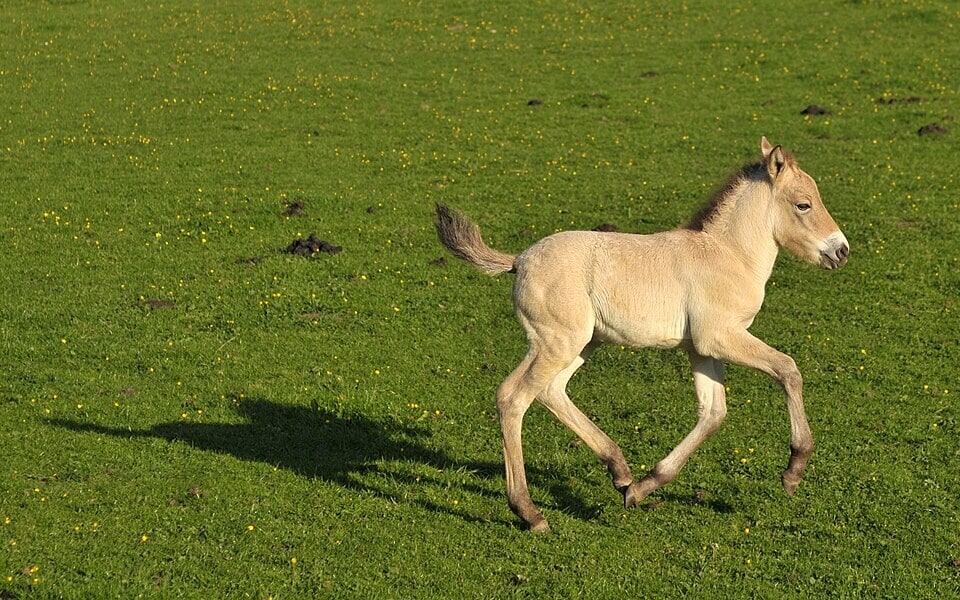
The herd did not vanish. In 2018, Gashchak and Paskevych’s camera traps recorded 137 horses in the Ukrainian zone. Among them were 47 stallions, 66 mares and young females, and 24 foals. The team surveyed up to 720 square kilometers of the 2,600-square-kilometer zone, so the true total was probably higher. They also spotted at least four more horses at a remote location in the Belarusian part of the zone. The authors say the herd’s current demographic indicators show no negative trends. Some horses crossed the Prypiat River between 2007 and 2010 and established a new breeding group. But growth did slow. The rate of increase between 2009 and 2018 was about one-third lower than between 1998 and 2008. The authors say this was likely due to the changing age composition of the herd, as the first group consisted only of mature, more productive mares, while younger, less productive mares became more common over time.
Why cameras help
The wild horses are not easy to count. Gashchak and Paskevych say forests are taking over old meadows and sightings in the woods are rare. Cameras help. A 2020 study by Schlichting, Dombrovski, and Beasley in Mammal Research placed cameras at the entrances of abandoned buildings. In the winter of 2016 to 2017, horses were seen 35 times at nine of the ten monitored buildings. In the summer of 2018, they were detected 149 times at all eight buildings monitored that season. The horses were more likely to come at night in winter and at dawn and dusk in summer. The authors say this method could help monitor the herd, whose size and genetic diversity were unknown at the time.
What it means
This is not a simple happy ending. At least two males in the 2019 study showed signs of interbreeding with domestic horses. Zharkikh and Yasynetska also warned that killing off some of the early horses’ offspring could reduce genetic diversity. But the numbers are encouraging. A herd that fell to 30 to 40 horses in 2007 was counted at 137 in 2018. It shows that a small herd can bounce back, though it still needs careful watching.