E-Paper



Mecca alarm, Red Sea grip: How the Houthis have opened a new front in the war in West Asia
Saudi Arabia accuses the Iran-backed group of targeting Islam's holiest city, which the Houthis deny. Their advance in Yemen threatens a second oil route.

 Prefer HTon Google


The Saudi-led coalition fighting Yemen's Houthis said on Wednesday it had shot down a drone south of Mecca a day earlier, before it could enter the restricted airspace over Islam's holiest city. The coalition said "the security of the Two Holy Mosques and the pilgrims is a red line" and promised deterrent measures against the Iran-backed group.
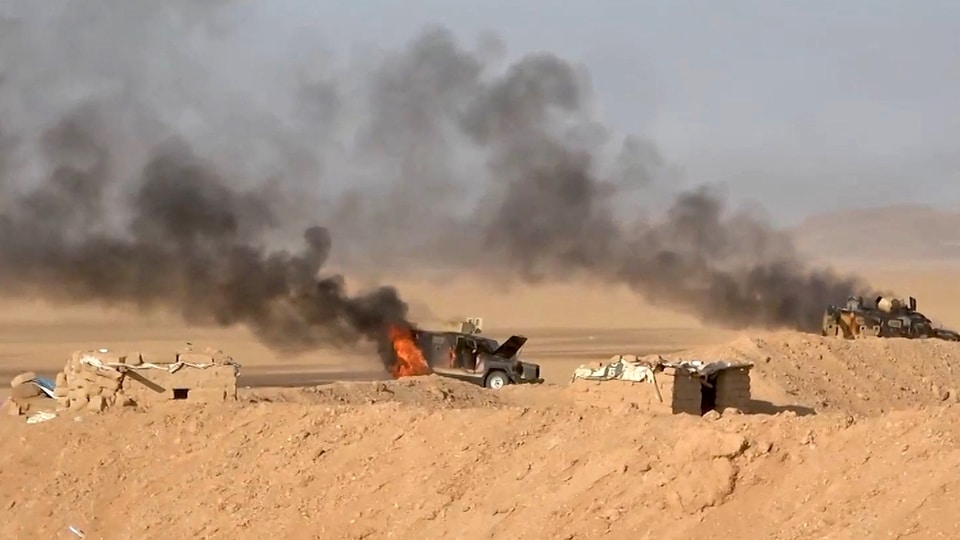
Yahya Saree, the Houthis' military spokesperson, denied the group had targeted Mecca and called the Saudi reports a set-up for propaganda. Hazem al-Assad, a member of the Houthi politburo, wrote on X that "the claims about targeting Mecca are a worn-out lie that has been used before and no longer fools anyone".
Mecca is about 1,100km from the Yemeni border. The Houthis fired a ballistic missile towards the city in 2017, the coalition's spokesperson, Colonel Turki al-Maliki, said, according to the Associated Press.
Tuesday's alarm in Mecca was the first of the current war, and alerts also sounded over Jeddah, Taif and Al Ula. Riyadh is now fighting an Iran-backed group on its southern border while its main oil export bypass is shut and the Houthis hold the southern entrance to the Red Sea.
How the war returned
The Houthis seized the Yemeni capital Sanaa in 2014, and Saudi Arabia intervened the following year to back the internationally recognised government. A United Nations-brokered truce in 2022 halted the worst fighting without a political settlement.
The group largely stayed out of the first months of the war that began with US and Israeli strikes on Iran on February 28. In July, it declared a blockade on Saudi shipping in the Red Sea, which was a response to a Saudi blockade of Yemeni ports, Reuters reported. About 10 days ago the Houthis stepped up near-daily strikes on Saudi energy sites and western towns, injuring more than 80 people, according to Bloomberg.
What the Houthis hold
A lightning offensive last week gave the Houthis effective control of Yemen's entire Red Sea coast, including the port of Mocha and Perim Island in the Bab al-Mandab strait.
Saree said Saudi Arabia had carried out as many as 450 air strikes on Yemen this week. Riyadh has not confirmed the strikes, though officials in the Saudi-backed Yemeni government have acknowledged them. He also claimed that the Houthis shot down a Saudi F-15 over Marib province. Several western European militaries assess that the Saudis and their Yemeni allies are unlikely to retake Mocha, Bloomberg reported. More than 100,000 people have been displaced inside Yemen, according to the UN refugee agency.
Also read: India 'deeply concerned' over alleged Houthi drone attack near Mecca, calls for regional peace
A second oil chokepoint
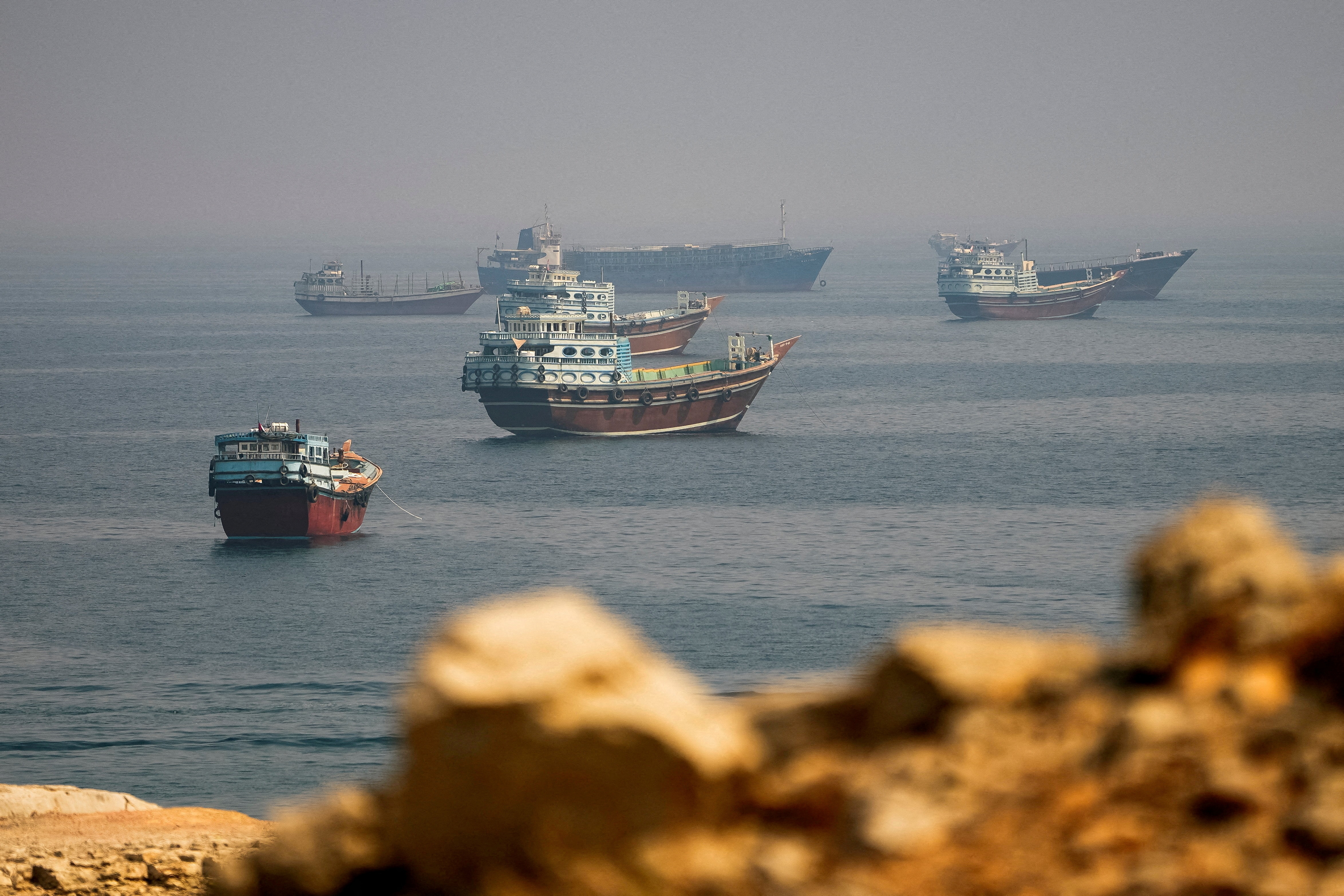
Oil flows through the Strait of Hormuz are estimated at 5 million to 7 million barrels a day, less than half the pre-war level, AP reported. Saudi Arabia had bypassed the strait with its 1,200km East-West Pipeline, which runs from its Gulf oilfields to the Red Sea port of Yanbu.
An attack on Friday, which Riyadh blamed on an Iran-aligned group based in Iraq, shut the pipeline. US energy secretary Chris Wright told CNBC crude should flow again within days, while UK authorities fear it may stay mostly shut for six weeks, Bloomberg reported. Traders told Reuters a prolonged closure could cut as much as 4% of global oil supply.
AFP reported that the Bab al-Mandab, which links the Red Sea with the Gulf of Aden, has become vital to Saudi crude exports while Hormuz stays choked. The Houthis say only Saudi vessels face a threat there, though any attack in the strait would likely deter shippers, the agency noted.
Brent crude hovered around $108 a barrel on Wednesday, near its highest since May, Reuters reported. Monica Malik, chief economist at Abu Dhabi Commercial Bank, told Bloomberg she expects the Saudi economy to shrink 3.1% this year. The contraction could deepen to as much as 4.5% if the pipeline stays shut for a month and little oil leaves through Hormuz, she said.
Iran's hand
Reuters reported on September 10 that Iranian weapons, funding and tactical advice helped the Houthis take Mocha, citing sources who said Islamic Revolutionary Guard Corps (IRGC) personnel helped guide the operation. Iranian sources later told the agency that Tehran had instructed the group to attack Saudi Arabia.
Iran has denied directing Houthi military operations, and another Iranian official told Reuters that Tehran does not control the group. Michael Knights, head of research at New York-based advisory Horizon Engage, told AP the Houthis are "the most committed, the most ideologically pure and the most aggressive" of Iran's regional allies.
Why bombings have failed
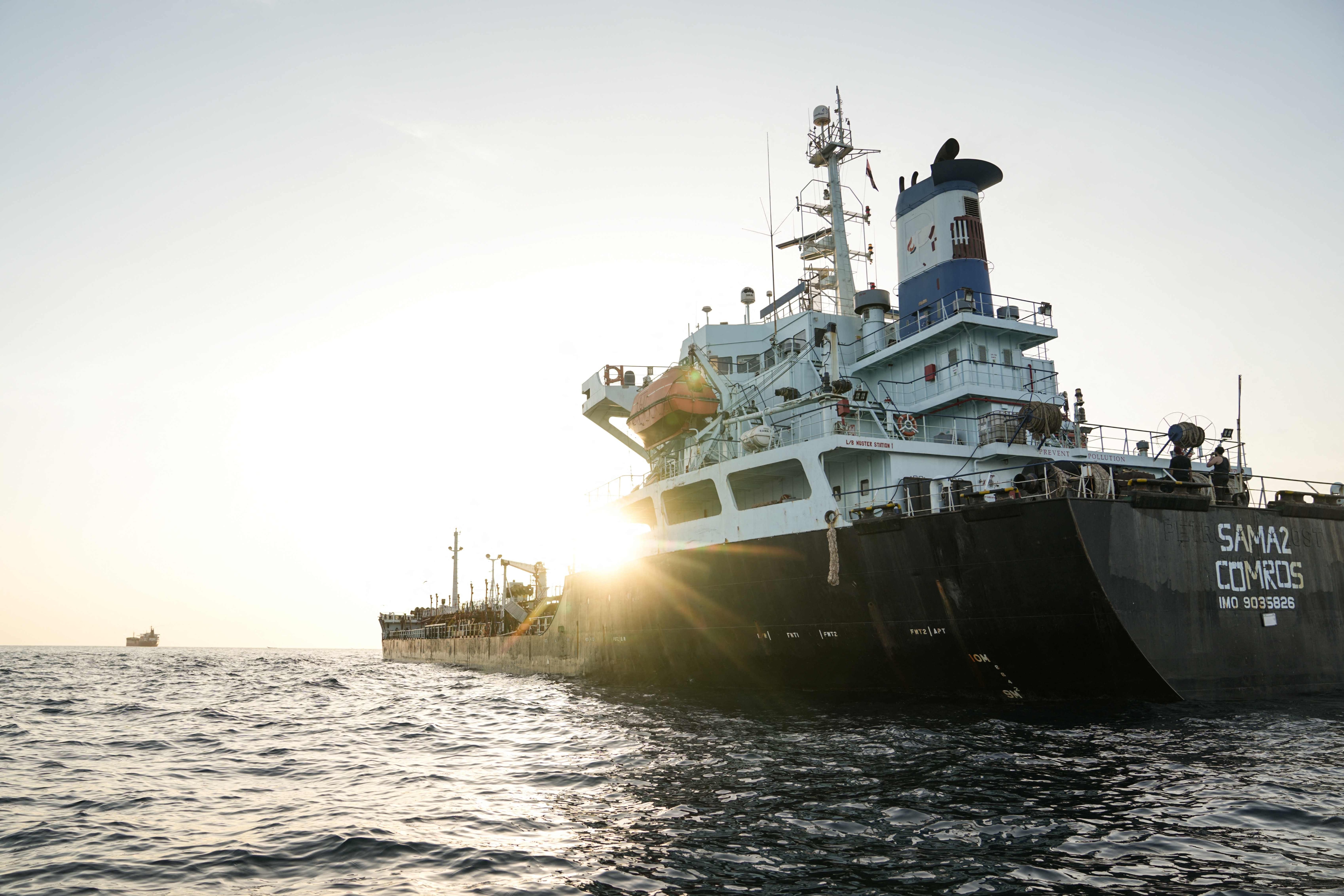
Saudi Arabia, the United Arab Emirates, the US, the UK and Israel have all bombed the Houthis over the past decade. The group can disperse fighters across large, mountainous territory and makes much of its weaponry at home, with Iran believed to supply advanced parts such as guidance systems.
The 2025 US air campaign dropped about 2,000 munitions on more than 1,000 targets, a US military official told AP at the time, and the munitions alone cost more than $750 million. It ended in May with an Oman-brokered arrangement under which the two sides agreed to stop targeting each other, though the Houthis kept attacking Israel. A 2024 UN panel estimated the group's strength at up to 350,000 fighters, against about 30,000 in 2015, though it said it had not independently verified the number of new recruits.
Thomas Juneau, a professor of international affairs at the University of Ottawa, told AP that Iranian support was half the explanation, "but there's another half of the story, which is the weakness of their adversaries". The Houthis' Yemeni opponents include Saudi-backed government forces and UAE-supported southern separatists, and those opponents fought among themselves as recently as January.
Also read: Saudi seeks Israel's help amid attacks by Iran-backed Houthis? Report says Riyadh sought intel aid
Who will help Riyadh
Crown Prince Mohammed bin Salman phoned US President Donald Trump last week seeking military support, which has so far been limited to intelligence, Reuters reported. "The Houthis called us, and they don't want to fight with us," Trump said on Saturday, according to AP.
US officials met Houthi representatives in Muscat over the weekend, five sources told Reuters. Two of them said the group had no intention of attacking US vessels and remained committed to its 2025 ceasefire with Washington. The State Department did not confirm the meeting.
A defence pact Saudi Arabia signed with Turkey and Pakistan last month has yet to be activated, and officials from both countries told AP they had received no Saudi request for support. Riyadh is reluctant to act alone and wants other states involved before any major operation, two people familiar with the matter told Bloomberg.
What comes next
The Houthis want Saudi Arabia to lift its blockade, a concession AP said would amount to admitting defeat in the long-running war and open the way for more Iranian aid to the group.
Assad said the "Yemeni response will continue and escalate as long as they (Saudi Arabia) persist in their aggression against our people", AFP reported.
Trump said on Monday he was open to talks with Iran, but Mohsen Rezaei, Iran's top security chief, replied that "there will be no negotiations until Iran's conditions are met", according to AFP.
Juneau told AP that as long as US-Iran tensions remain unresolved, "there will not be significant progress between Saudi Arabia and Iran". He added: "The Houthis are in a very intransigent mood right now, and they are absolutely not ready to make any kind of concessions."