E-Paper



Nepal PM seeks China, UK role in resolving border dispute with India
India and Nepal have been engaged in a dispute over the areas of Limpiyadhura, Lipulekh and Kalapani. New Delhi has dismissed Kathmandu’s claim on the region.

 Prefer HTon Google


Nepal Prime Minister Balendra Shah on Sunday called for China and the UK to be involved in efforts to resolve a long-standing border dispute with India, even as he contended that Nepal has “encroached” on Indian territories.
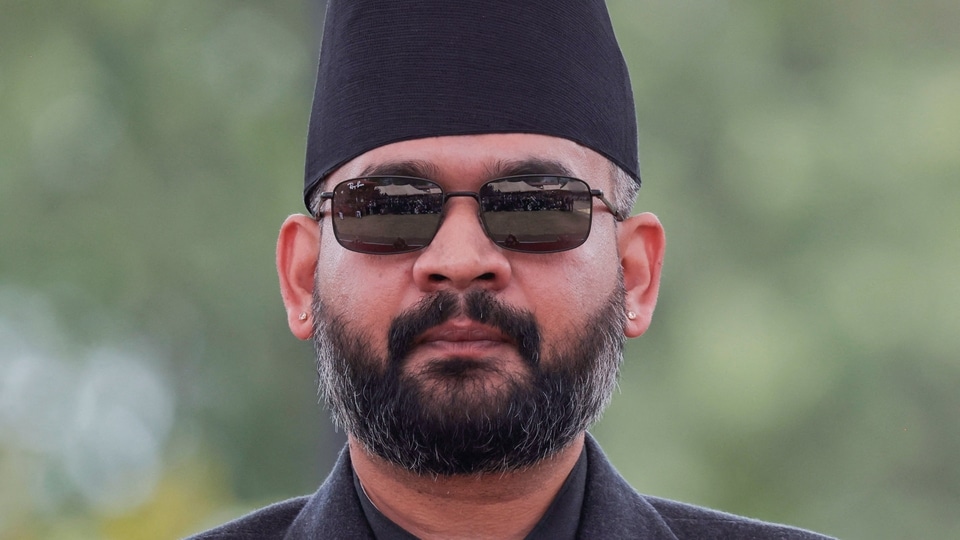
The 36-year-old rapper-turned-politician made the remarks while responding to questions from lawmakers in Parliament. India and Nepal have been engaged in a long-running dispute over the areas of Limpiyadhura, Lipulekh and Kalapani, and New Delhi dismissed Kathmandu’s claim on the region earlier this month.
Shah responded to a question from a parliamentarian about plans by India and China to conduct border trade through Lipulekh and Limpiyadhura by saying this matter should be resolved through diplomatic means at the negotiating table.
Nepal had sent an official diplomatic note to India on these areas and received a response from New Delhi, which stated that both governments should form teams consisting of historians, surveyors and experts familiar with the territory and seek a resolution through talks, Shah said, speaking in Nepali in the televised remarks.
Besides discussions with India, Nepal was also in touch with China and Britain regarding the border issue, Shah said.
“Since this problem dates from the time when British India left the region, it is our view that England should be involved in this matter,” he said.
There was no immediate response from Indian officials to Shah’s comments. The areas claimed by Nepal are located along the frontier between India and China, which plan to resume border trade through Lipulekh Pass from the first week of June after a gap of almost six years.
Shah replied to a separate question in Parliament by saying it is not only India that has encroached on Nepal’s territories. “After becoming Prime Minister, I came to know that not only has India encroached on Nepal’s land, but Nepal has also encroached on India’s land in multiple places,” he said. “Both sides need to sit down and look into this matter.”
Earlier this month, the Nepal government sent diplomatic notes to India and China objecting to the Kailash Mansarovar pilgrimage’s route passing through Lipulekh Pass, which Kathmandu claims as its territory.
In response, external affairs ministry spokesperson Randhir Jaiswal said India has maintained that Nepal’s territorial claims are “neither justified nor based on historical facts and evidence”, and such “unilateral artificial enlargement of territorial claims is untenable”.
Jaiswal also conveyed India’s willingness to have a “constructive interaction” with Nepal on resolving outstanding boundary issues through dialogue and diplomacy.
The pilgrimage was also conducted through Lipulekh Pass in 2025, and it will be held from June to August this year.