
 E-Paper



Can you breastfeed after breast cancer? IVF specialist answers questions new mothers have about milk production, cancer recurrence and more

 Prefer HTon Google


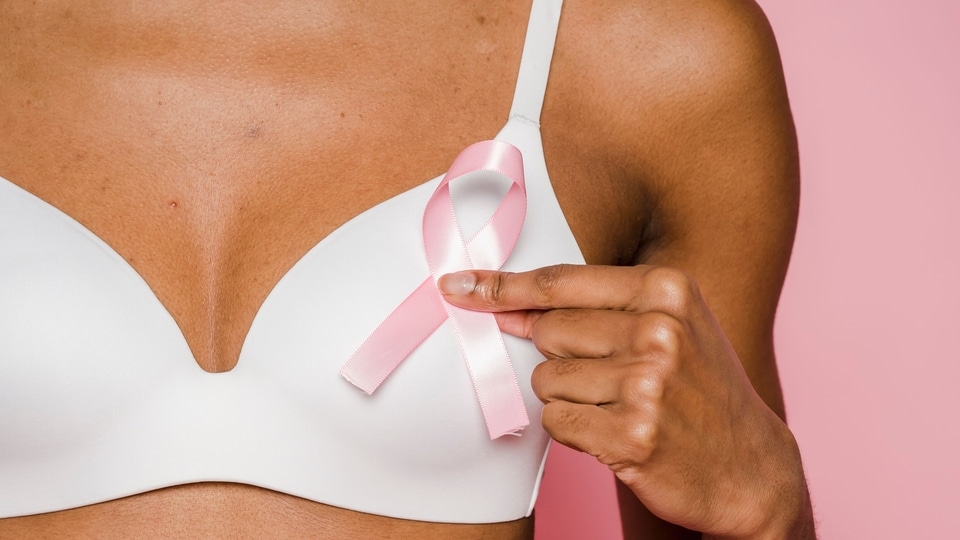
A lot of breast cancer survivors have questions regarding pregnancy and breastfeeding that often go unaddressed. Dr Sharma shares what mothers should know.
For women who have been through breast cancer, the journey to motherhood can bring a mix of hope, joy and uncertainty. After surgery, chemotherapy or radiation, many may wonder how their treatment could affect their bodies, pregnancy and ability to breastfeed. And when the baby finally arrives, one deeply personal question may weigh on their minds: Can I breastfeed after breast cancer?
In a conversation with HT Lifestyle, Dr Bhavna Sharma – longevity and IVF specialist and founder of The Longevity Centre – explains that breastfeeding after breast cancer treatment may be possible for some women, while others may struggle to produce enough milk or may be unable to breastfeed from the treated breast.
Can you breastfeed after breast cancer treatment?
The outcome depends on several factors, including the type of surgery, whether radiation was part of the treatment and whether the woman is still taking cancer medication. For many women, however, the question is about more than milk supply. It is about whether their body can still do something they had always imagined doing as a mother.
According to Dr Sharma, “After treatment, women have many questions about a healthy pregnancy and breastfeeding baby. These concerns are understandable. The important thing is to discuss them early with the treatment team and understand what is medically safe in each case.”
Can breastfeeding increase the risk of cancer recurrence?
This is probably one of the biggest fears for a woman who has survived breast cancer. According to Dr Sharma, available evidence does not show that pregnancy or breastfeeding after successful breast cancer treatment increases the risk of the cancer returning. The American Cancer Society states that breastfeeding after treatment, when it is possible, is not thought to increase the risk of breast cancer recurrence.
But fear of recurrence can remain even after treatment has ended. The IVF specialist highlights, “Breastfeeding itself can cause changes such as fullness, tenderness and discomfort, which can sometimes make a woman worry that something is wrong. This is why regular follow-up with the cancer care team remains important.”
Can breast milk harm the baby?
Another question that some mothers may be afraid to ask is whether their previous cancer could somehow affect the baby through breast milk. Dr Sharma explains, “The main concern is whether medicines the mother is currently taking can enter the milk and affect the baby. This is why a woman’s treatment history is important. If treatment has ended and she is not taking medicines that are unsafe during breastfeeding, her doctors can assess whether she can breastfeed.”
Can you breastfeed after a lumpectomy?
A lumpectomy removes the tumour while keeping most of the breast. Dr Sharma highlgihts that breastfeeding may still be possible after this type of surgery, but the treated breast may not produce the same amount of milk as before.
“Radiation treatment can also affect the treated breast. Some women may produce less milk or no milk from that breast. Radiation can also cause changes in breast tissue that may make breastfeeding more difficult or uncomfortable. The unaffected breast may continue to produce milk normally,” she adds.
The expert advises speaking to a lactation specialist before or soon after delivery – which can help a woman understand what to expect and find ways to feed her baby comfortably. “If there are any concerns, their oncologist can explain when breastfeeding may be safe and whether a particular medicine needs to be stopped or changed,” concludes Dr Sharma.
Note to readers: This article is for informational purposes only and not a substitute for professional medical advice. Always seek the advice of your doctor with any questions about a medical condition.
Dr Bhavana Sharma is the founder of The Longevity Centre and a specialist in reproductive medicine, preventive healthcare and longevity medicine. With over 20 years of clinical experience, she has been associated with more than 8,500 successful IVF treatments and advocates a personalised, evidence-based approach to long-term health.


Catch your daily dose of Fashion, Taylor Swift, Health, Festivals, Travel, Relationship, Recipe and all the other Latest Lifestyle News on Hindustan Times Website and APPs.


