
 E-Paper


Diwali air pollution: Pulmonologist shares 6 ways to protect your lungs during high AQI and warning signs to watch for

 Prefer HTon Google


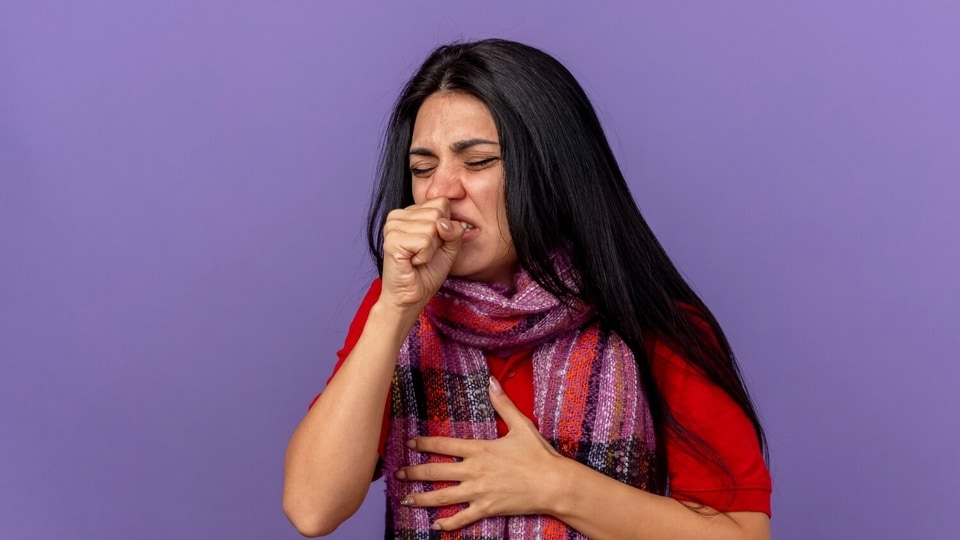
Firecracker smoke releases fine particles that can penetrate deep into the lungs. People with asthma, COPD, or allergic rhinitis are especially vulnerable.
Around Diwali, pollution levels also rise. Declining air quality (AQI) poses a major health challenge, especially for your respiratory system. Symptoms can range from coughing, sneezing and wheezing to severe breathlessness. It can be even worse for people with existing respiratory conditions, such as chronic obstructive pulmonary disease (COPD) or allergic rhinitis.
Dr Uday Kiran G, consultant in pulmonology at Manipal Hospital, Vijayawada, shared with HT Lifestyle that even those with no prior history of respiratory conditions may experience throat irritation, persistent coughing, wheezing or shortness of breath.
Why is the air around this time a grave risk for your lungs?
During Diwali, it is easy to feel carefree and head outdoors, but it is important to mask up as air quality dips in Delhi-NCR. The risk goes beyond the visible smoke from firecrackers, as tiny airborne particles can travel deep into the lungs.
“The primary concern during festive pollution spikes is high concentrations of fine particulate matter (2.5 micron) and toxic gases released by combustion. Because PM2.5 particles are extremely small, they penetrate deep into the lungs and can enter the bloodstream, triggering systemic inflammation and severe airway irritation," the pulmonologist said.
What are the health hazards?
With air quality deteriorating to hazardous levels, it is important to mask up. The pulmonologist walked us through what happens when you inhale smoke; it causes bronchial inflammation, increased mucus production and airway constriction. People with asthma are at greater risk of acute attacks. Those with COPD may also experience worsening coughing, increased sputum and acute breathlessness.
Who are at risk?
Here are the two groups who are most at risk:
1. Children:
- Their lungs are still developing, and their respiratory rate is higher relative to body mass.
- They inhale a proportionately higher volume of pollutants.
2. Older adults
- Senior citizens, particularly those with pre-existing cardiovascular or pulmonary conditions, are highly vulnerable to rapid health deterioration even after short exposures.
What are the early warning signs?

Here are the early warning signs:
- Persistent coughing, chest tightness or wheezing: Do not dismiss these as temporary discomforts, as they may signal airway inflammation.
- Increased reliance on rescue inhalers: Needing them more may suggest that your respiratory condition is not well controlled.
- Disrupted sleep due to coughing: Nighttime symptoms may mean worsening respiratory health.
- Reduced exercise tolerance: Finding usual physical activities more difficult may indicate inadequate symptom control.
- Worsening symptoms or poor response to rescue medication: If symptoms worsen, immediately check in with your doctor.
It is important not to dismiss persistent coughing, chest tightness, or wheezing as temporary discomforts. These symptoms indicate active airway inflammation.
How to protect your respiratory health?
Proactive management can significantly reduce the risk of pollution-related complications. Here are some that the pulmonologist highly recommended you follow for a few days after Diwali:
1. Monitor air quality daily:
- Check local Air Quality Index (AQI) reports regularly and schedule outdoor activities during hours when pollution levels are relatively lower.
2. Create safe indoor spaces:
- Keep doors and windows closed during peak hours of firecracker activity.
- Utilising indoor air purifiers equipped with HEPA filters can help maintain cleaner indoor air.
3. Wear appropriate respiratory protection:
- If going outdoors is necessary, wear a well-fitted N95 or KN95 respirator mask.
- Standard surgical or cloth masks offer minimal protection against fine particulate matter (PM2.5).
4. Limit high-intensity outdoor activity:
- Avoid strenuous outdoor exercises like running or heavy physical work when AQI is high, as deep and rapid breathing increases pollutant intake.
5. Maintain medication adherence:
- Ensure all prescribed maintenance medications and inhalers are refilled and taken strictly as directed.
- Do not adjust or discontinue treatment without consulting a physician.
6. Minimise indoor pollutants:
- Avoid secondary indoor irritants such as burning incense sticks, mosquito coils, or smoking inside the home.
When should you seek urgent medical care?
Some warning signs may mean immediate medical attention and should not be ignored, as they may signal a life-threatening emergency. Dr Uday highlighted the following:
- Severe shortness of breath
- Inability to speak in full sentences
- Persistent chest pain
- Bluish discolouration of the lips or fingernails
- Sudden confusion
Note to readers: This article is for informational purposes only and not a substitute for professional medical advice. Always seek the advice of your doctor with any questions about a medical condition.


Catch your daily dose of Fashion, Taylor Swift, Health, Festivals, Travel, Relationship, Recipe and all the other Latest Lifestyle News on Hindustan Times Website and APPs.


