
 E-Paper



One more episode? Neurologist Dr Girish Nair explains how binge-watching and late-night screen time affect sleep

 Prefer HTon Google



While watching shows or streaming a film has become a night-time ritual for many, it comes at a cost, warns Dr Girish Nair.
Streaming our favourite shows has become a nighttime routine for many, especially as the days are getting busier. And with bingeing being an option, people are often forced to choose between watching one more episode or getting the required hours of sleep.
Also Read | Hungry again just 2 hours after lunch? Dietician reveals 4 possible reasons
In an interaction with HT Lifestyle, neurologist Dr Girish Nair shared that watching an extra episode occasionally is unlikely to be a major problem; the concern is when late-night viewing becomes a regular reason for going to bed later or sleeping for fewer hours.
Importance of going to bed on time
“From a neurological perspective, it is important to remember that sleep is not simply a period of rest for the brain,” stated Dr Nair. “Different stages of sleep support memory consolidation, learning, attention, emotional regulation and the normal functioning of neural networks.”
He explained that when sleep is repeatedly shortened or fragmented, the effects can show up the very next day as poorer concentration, slower thinking, reduced alertness, impaired memory and irritability.
Effect of late-night screen exposure
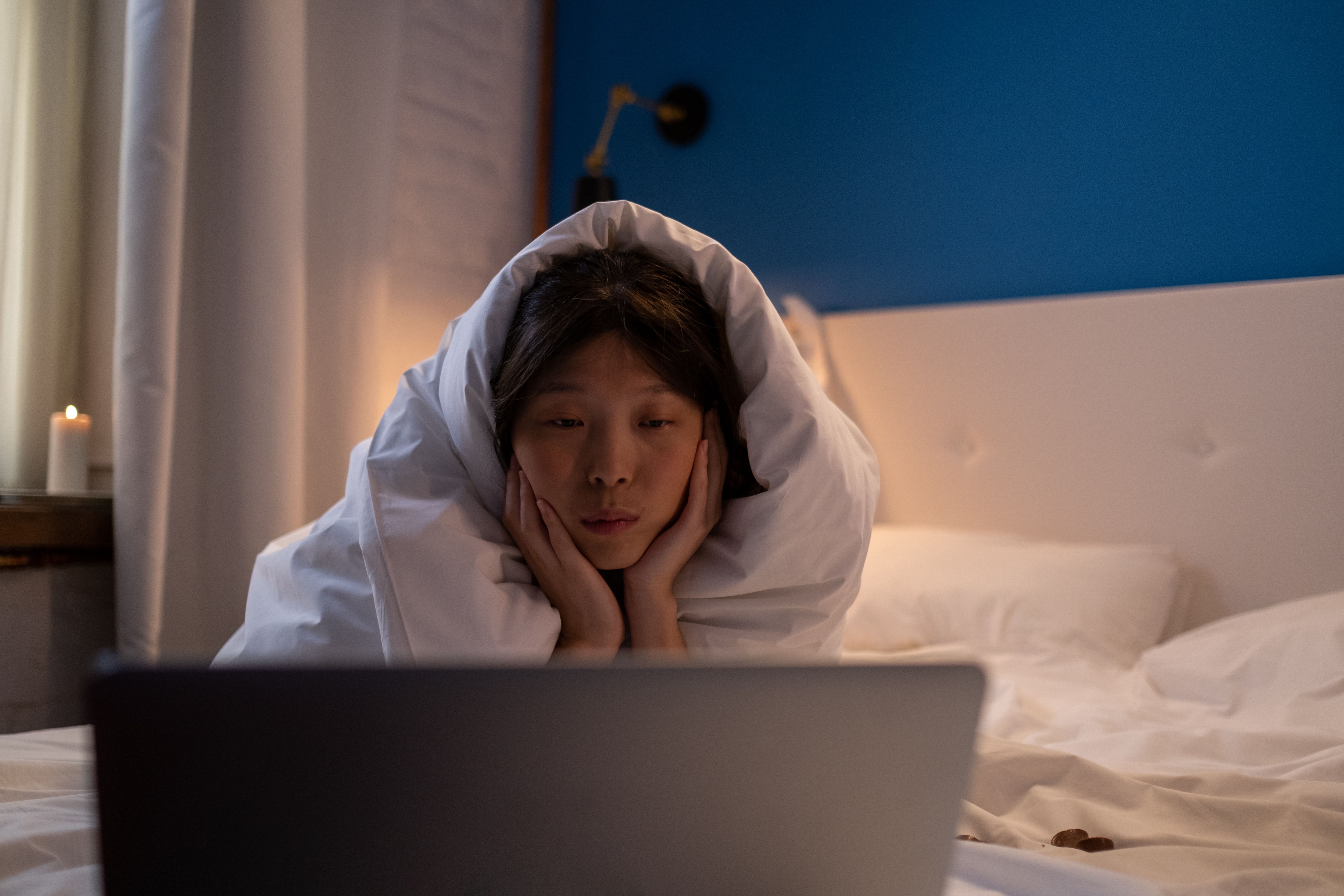
Late-night binge-watching is not just bad because of the prolonged exposure to blue light. As Dr Nair explained, “A gripping series keeps the brain cognitively and emotionally engaged, particularly when there is suspense, anticipation or a strong desire to know what happens next.”
“At the same time, light exposure in the evening can influence the body's circadian timing and melatonin secretion, while the continuous nature of streaming removes the natural stopping points that television once provided,” he continued.
As a result, by the time a person finally decides to sleep, the brain may still be in a state of alertness and stimulation rather than gradually winding down. The neurologist pointed out that the transition from wakefulness to sleep is a biological process, and giving the brain some time to disengage is useful.
Effect of sleep on long-term brain health
As per Dr Nair, regular sleep disruption should be taken seriously because sleep contributes to the brain's processes of memory consolidation and synaptic regulation, and there is growing interest in the role of healthy sleep in maintaining long-term brain health.
“Persistent insomnia, poor sleep quality and abnormal sleep duration are associated with poorer cognitive performance and, in longitudinal studies, a higher risk of cognitive decline and dementia,” he stated.
While these are associations and do not mean that watching television at night causes dementia, they are another reason why chronic sleep disruption should not be dismissed as simply a lifestyle habit.
What to do about nighttime binging?
“For most people, the practical message is not that every screen has to be eliminated at night,” stated the neurologist. “It is to protect the final 30 to 60 minutes before sleep as a wind-down period.”
His suggestions include:
- Avoid allowing an episode to determine your bedtime
- Reduce unnecessary notifications and bright light exposure
- Maintain a reasonably consistent sleep schedule.
“If late-night viewing is repeatedly leaving you with too little sleep, excessive daytime sleepiness, difficulty concentrating or an inability to fall asleep without prolonged screen use, it is worth looking beyond the screen itself and discussing the sleep problem with a doctor,” he added.
Note to readers: This article is for informational purposes only and not a substitute for professional medical advice. Always seek the advice of your doctor with any questions about a medical condition.
Dr Girish Nair is a senior consultant in the department of neurology at Apollo Hospitals, Navi Mumbai.


Catch your daily dose of Fashion, Taylor Swift, Health, Festivals, Travel, Relationship, Recipe and all the other Latest Lifestyle News on Hindustan Times Website and APPs.


