
 E-Paper



Why does stress make you pull your hair? Psychologist explains trichotillomania and when to seek help

 Prefer HTon Google


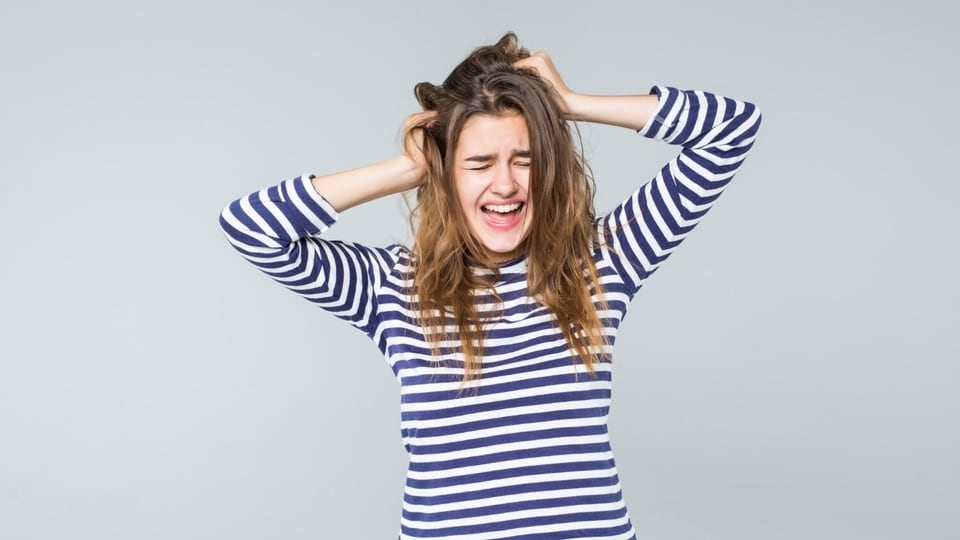
Repeated hair-pulling that causes hair loss, resists attempts to stop, or disrupts daily life may indicate trichotillomania.
When you feel overwhelmed and anxious, bottled-up emotions can seem to brim over. For some people, this can bring an urge to pull out their hair to get a sense of relief. An expert added clinical context to this common habit.
Rithika Krishnan, clinical psychologist at Sir H.N. Reliance Foundation Hospital, revealed that recurrent hair-pulling may indicate trichotillomania, a condition that is more than a habit someone can simply ‘snap out of.’ She shared why this cycle develops, what triggers hair-pulling, and when it needs medical attention.
ALSO READ: Why does stress affect your stomach? Gastroenterologist explains
What is trichotillomania?
A hair-pulling habit may feel difficult to resist. Rithika revealed what this can feel like: "Trichotillomania refers to the recurrent pulling out of one's hair. It can sometimes result in noticeable hair loss. It occurs when there's an increasing sense of tension immediately before pulling out the hair or when attempting to resist the behaviour. These individuals experience pleasure, gratification, or relief when pulling out the hair.”
So, once you give in to the urge to pull your hair, you may feel relieved, but soon it becomes a vicious cycle that is difficult to break. The expert revealed that this relief is short-lived, and the cycle is the price you pay as you repeatedly feel the urge to do it again.
What triggers it?
There are two types, according to the psychologist. The first is reflexive pulling, which occurs in less stimulating situations, such as reading, watching television, or driving, without much awareness. Boredom may often be a factor here. The second is intentional pulling, which is a deliberate response to feelings such as fear, frustration, anger, or loneliness.
This habit becomes a vicious cycle, not only psychological but also neurological. Rithika listed the parts of the brain involved in this process, in which the behaviour essentially goes into a loop:
- Basal ganglia: Part of the brain that controls movements and habitual activities in the body.
- Anterior Cingulate Cortex (ACC): Processes emotional regulation, error detection, and conflict monitoring. Any alteration in this region affects how stress/tension translates into a physical release
How is it diagnosed?
How do clinicians determine whether hair-pulling has become a condition that needs treatment? Rithika shared that they assess this using certain parameters. She listed the following factors:
1. Recurrent pulling that results in noticeable hair loss.
2. Repeated, unsuccessful attempts to stop or cut down.
3. Significant distress or impairment in social, school, or work life, such as avoiding swimming, haircuts, or intimacy.
4. Symptoms are not due to a dermatological condition or a skin disorder.
The psychologist reassured people with this habit that trichotillomania is common and treatable. Habit reversal training is used to treat it.
Note to readers: This article is for informational purposes only and not a substitute for professional medical advice. Always seek the advice of your doctor with any questions about a medical condition.


Catch your daily dose of Fashion, Taylor Swift, Health, Festivals, Travel, Relationship, Recipe and all the other Latest Lifestyle News on Hindustan Times Website and APPs.


