E-Paper



In 1931, more than 4,000 sheep were left on Campbell Island; decades alone shaped a feral flock with unusual fleece and breeding traits
In 1931, a failed farm left more than 4,000 sheep on Campbell Island. Left unshorn, the flock rebounded, bred earlier, and grew less wool than farm sheep.

 Prefer HTon Google


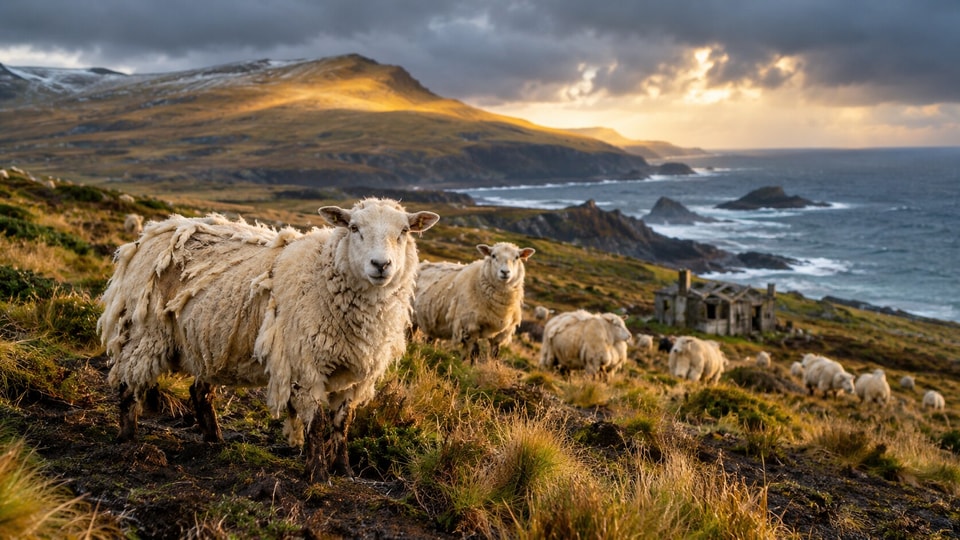
Most sheep usually get a haircut once a year. However, on Campbell Island, a remote sub-Antarctic island south of New Zealand, that routine ended in 1931. According to a 1986 paper by M. R. Rudge in the New Zealand Journal of Ecology, farming was discontinued that year and more than 4,000 sheep were left behind. No one came back to shear them.
A farm that never took off
Sheep were first introduced to the island in 1895. The island was cold, windy, and extremely difficult to access. The paper notes that it was likely overstocked from the beginning, and fires and grazing had reduced the vegetation. At its peak, there were over 8,000 sheep on the island. The population declined after that. In 1931, the last farmer on the island went broke, and the sheep stayed behind.
A surprise comeback
By 1961, only about 1,000 sheep remained. Researchers had expected the decline to continue. It didn't. A 1969 count found about three times as many sheep. Rudge linked the rebound to a warmer climate and regrowing vegetation, made possible in part because grazing pressure had fallen so far from the island's peak population that the land finally got a chance to recover. It also reflects changes in the sheep themselves.
When the shearing stopped
Sheep that are never shorn keep producing more wool. Some sheep on Campbell Island grew double fleeces, which reached the ground. The thick wool around their belly and hindquarters ended up attracting peat and dung. Rudge thought this made breeding difficult. He noted reports that ewes with double fleeces rarely produced lambs, while shaggy, shedding ewes gave birth to healthy lambs.
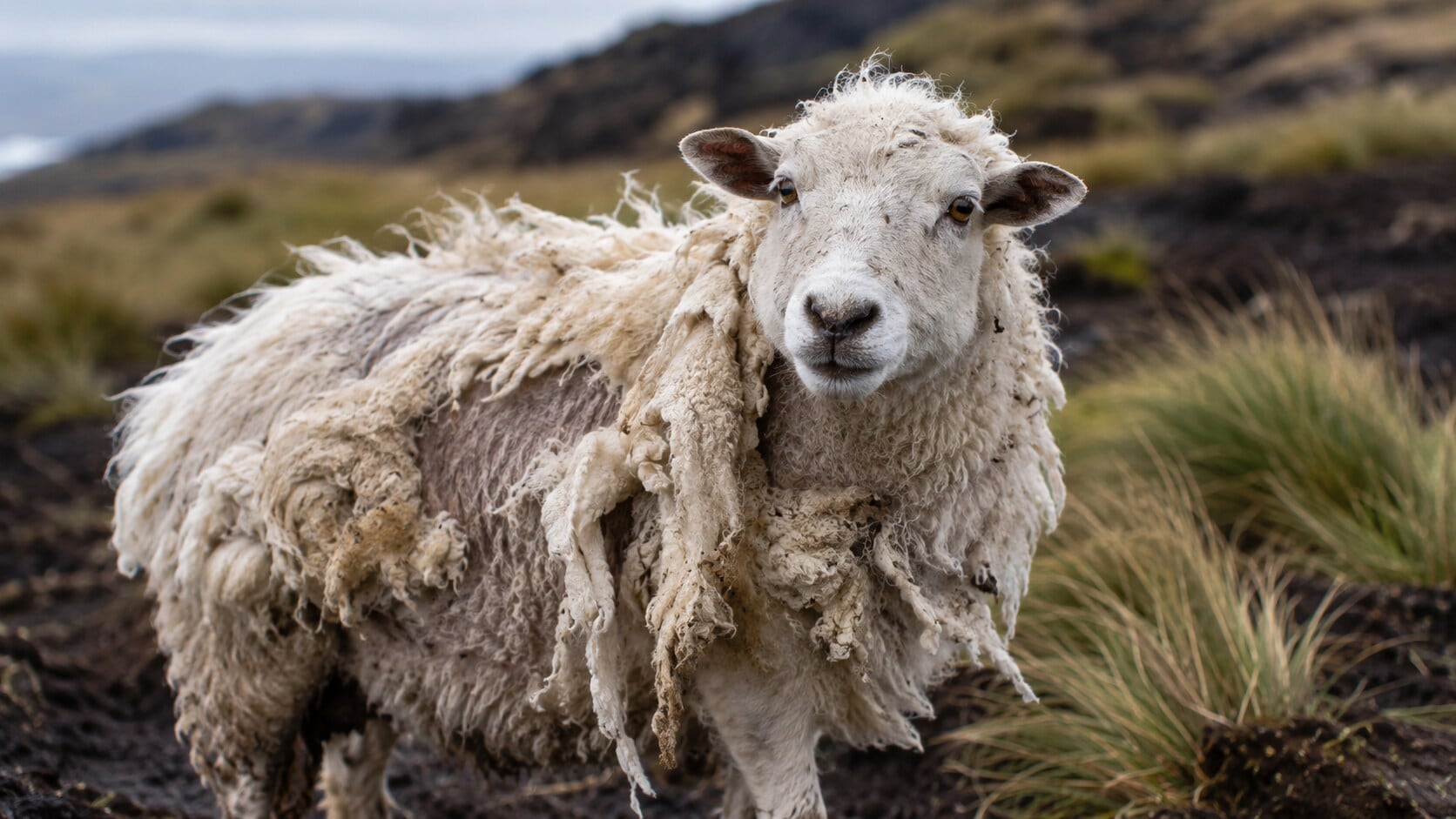
As the population worked its way back up, sheep that shed their fleeces appeared to fare better, alongside the recovering vegetation. Further accounts said that most ewes shed their entire fleece gradually, and rams shed the fleece from their belly regions. The paper makes clear that the idea had not been tried out in experiments.
Earlier breeding, more lambs
The sheep began breeding at an earlier age as well. Females were able to breed immediately after reaching their first year of life. Over the years of farming, there were around 30 to 40 lambs for every 100 females. However, by 1970, there were 60 to 80.
A rare flock worth saving
In 1970, a fence split the island, and the sheep on the north side were removed to protect the plants. Ten sheep were collected in the summer of 1975-76 to be returned to New Zealand as a rare breed. The scientists were particularly interested in foot rot, a painful hoof disease, and whether the flock was resistant to it.
Later, Sumner and colleagues compared feral flocks, including Campbell Island sheep, with conventional farm breeds. Their 2017 New Zealand Journal of Zoology paper reports that Campbell Island sheep produced an average of 1.50 kilograms of wool per fleece. That was less than half the 3.26 kilograms for Saxon Merinos on North Island farms. All three feral flocks studied by the authors had this feature, which might have been an advantage in the wild.
A lesson from a failed farm
The rest of the sheep were eventually removed in phases to allow regeneration of the native plants. Rudge's paper notes that by 1980, the native herbs that the sheep preferred to eat had been restored in the north end of the island. He also argued, drawing on other feral flocks, that the roughly three decades between the 1931 abandonment and the early 1960s recovery was long enough for fleece characteristics like these to appear. The story of those abandoned sheep shows how a failed farm turned into an unexpected, unplanned, quiet experiment in natural selection.