E-Paper



Leonardo DiCaprio supported a fund for Indonesia's Leuser Ecosystem, one of the rainforests where elephants, tigers and orangutans still live together
Leonardo DiCaprio helped launch a fund for Sumatra's Leuser forest, where tigers, elephants, orangutans, and rhinos share a home despite constant threats.

 Prefer HTon Google


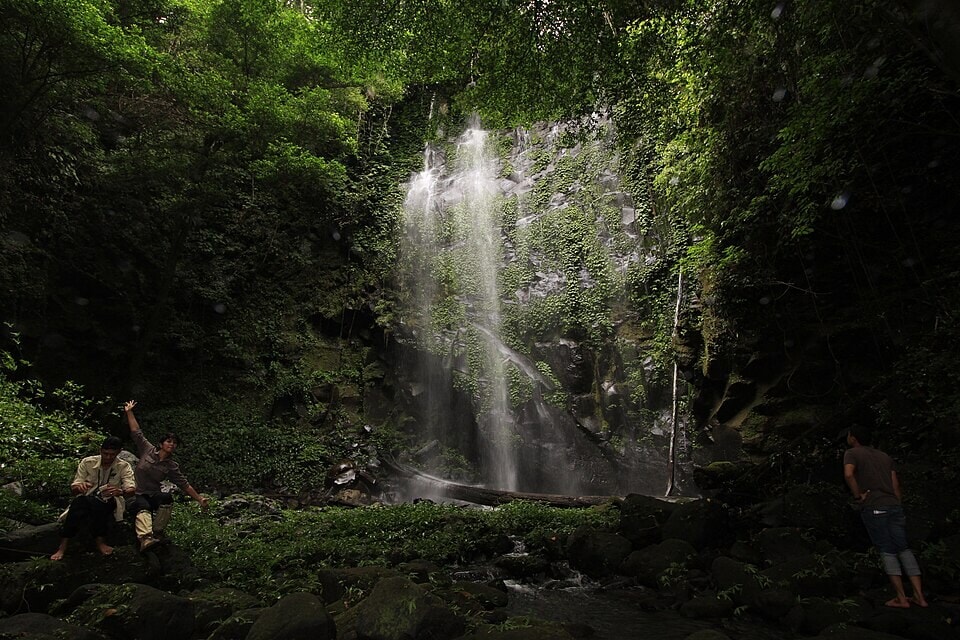
While on screen, Hollywood actor Leonardo DiCaprio has fought bears; in real life, he’s been fighting for causes that matter. Deep in Sumatra, Indonesia, there is a rainforest unlike almost anywhere else on Earth. The Leuser Ecosystem is the only place where Sumatran tigers, rhinos, orangutans, and elephants all live together, according to a 2023 study published in Frontiers in Ecology and Evolution. The study notes that all four are critically endangered. Leonardo DiCaprio has supported efforts to save this forest.

A rare refuge under constant pressure
The Leuser Ecosystem covers an area of 2.6 million hectares, which is 6.5 million acres. According to the authors, the area is one of the most significant and well-preserved rainforests in Southeast Asia. Re:wild, a worldwide organization concerned with wildlife conservation, highlights that the region consists of six Key Biodiversity Areas vital for the biodiversity of our planet. It is also widely described as one of the oldest forest ecosystems in the world. Together, these factors make the area unique and precious.
However, according to Re:wild, the forest ecosystem faces permanent risks. There are multiple threats such as palm oil plantations, roads, logging, poaching, mining, and energy infrastructure and plantations. The 2023 study points farmland and poaching are among the most significant pressures too. From 2000 to 2019, according to the authors' research, there were 254,722 hectares of natural forest, or 6.7 percent, converted into something else. Most of it became plantations and shrubs.
How the animals are doing
The team used field survey data from 2009 and 2019 to track key species. The elephant population declined in the western part of the forest and shifted toward the northeast. Tiger occupancy, a measure of how much of the forest tigers occupy, remained the same. Wild boar, a primary tiger prey species, declined markedly across the study area. The sambar, which is another type of prey, showed a decline in the forest edges but was present widely within the forest. Taken together, these results paint a mixed picture rather than one of simple success or failure.
Researchers also created computer models to test different forest scenarios. The models showed a grim outcome for elephants and tigers when forest was lost and fragmented. But when several forest patches were reconnected, the gains for recovery were far larger than expected. The models showed animals moving back into some of their old range. This kind of planning, the authors say, could help rewild a landscape of global importance.
Where DiCaprio fits in and what comes next
Re:wild worked with DiCaprio and several other philanthropists to establish the Leuser Ecosystem Action Fund, or LEAF. The fund seeks to bring new resources to the local groups who protect the forest. The organization says a network of grassroots activists is already working to protect the region. It believes that helping these groups is the best hope for keeping the Leuser safe. But the forest is still under threat, and the fund is meant to support people working on the ground.
Leuser shows how one forest can shelter many threatened species at once. The study says all four of its key animals are critically endangered, so there is little room for error. It suggests that reconnecting broken forest patches could help wildlife recover. It also reminds us that wildlife needs connected, healthy forests to flourish. One way to help can be by supporting local guardians, like the fund Re:wild describes. The story is still being written. For now, tigers, elephants, orangutans, and rhinos still share one forest, and that is worth protecting.