E-Paper



Mauritius extends curfew for two more nights after riots, looting; schools to remain shut this week
Mauritius extended its island-wide curfew for two nights after protests over water shortages and living costs escalated into riots and looting.

 Prefer HTon Google


Mauritius has extended its island-wide curfew for two more nights after riots and looting triggered by protests over water shortages and the rising cost of living escalated into the country's worst unrest since 1999.
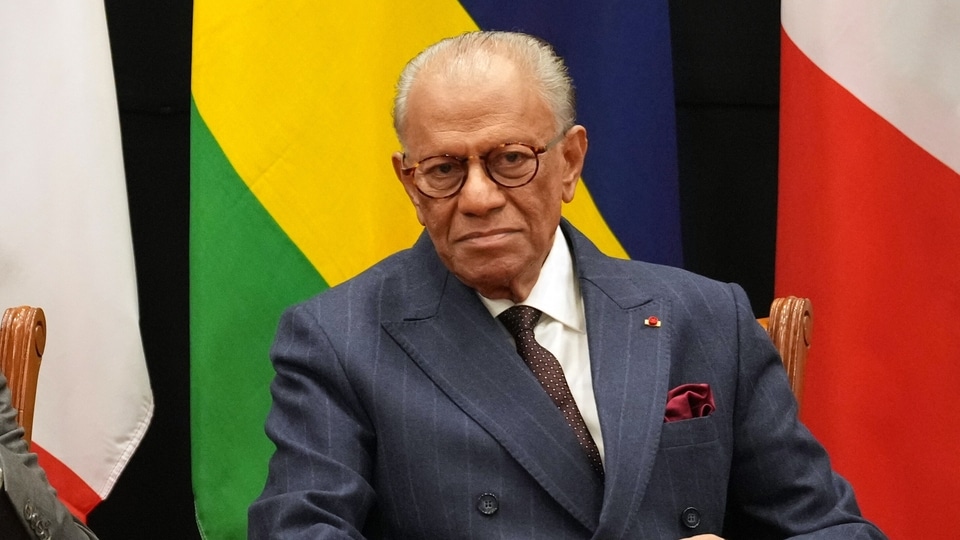
The government said the curfew would remain in force from 8:30 pm on Wednesday and Thursday until 5 am the following morning across the island's main population centers. Schools will remain closed for the rest of the week, except for students sitting international examinations.
Authorities first imposed the curfew on October 13, following rioting and looting the previous night. The unrest began with demonstrations over water shortages and living costs before escalating after police shot a woman, drawing further public anger.
The Mauritius Police Force said 94 people had been arrested since the riots began. Police said the situation was under control, although some incidents were reported in parts of the island overnight on Wednesday.
“Our units responded promptly and several arrests have already been made,” the police said in an earlier statement.
Mauritius considers tougher measures to curb violence
The government has warned that anyone violating the curfew could face up to five years in prison and a fine of up to 50,000 Mauritian rupees, equivalent to about $1,050, under the curfew order.
In a subsequent statement, authorities said offenders could also face prosecution under the Prevention of Terrorism Act.
The government is considering additional measures to prevent a further escalation of violence. Regulations are being amended to restrict the sale of petrol to customers carrying portable containers, after gasoline was reportedly used to make Molotov cocktails during the riots.
Authorities are also considering lowering the minimum age for detaining offenders from 14 to 12.
The measures come as the government seeks to restore order following several days of demonstrations and violence. The shooting incident that preceded the escalation has drawn condemnation from Prime Minister Navinchandra Ramgoolam.
ALSO READ: H-1B visa update: Why Indian workers could face fresh checks despite previous approvals
Prime Minister condemns shooting
Ramgoolam condemned the shooting and described the public reaction as “unacceptable”, while expressing confidence that authorities would restore normalcy.
“We are confident that we will reestablish law and order as soon as possible,” he said in an audio statement broadcast on the Facebook page of Le Defi Media Group, based in the capital, Port Louis.
The government has not announced when normal activities will fully resume beyond the current curfew schedule and school closures.
Unrest challenges Mauritius' reputation for stability
Mauritius, an island nation in the Indian Ocean, is known for its beach resorts and financial-services industry. It has generally experienced political stability, peaceful elections and relatively little unrest compared with many other countries in the region.
The latest violence marks a significant challenge for a country that has built a reputation as a tourism destination and a financial-services hub.
With protests initially fueled by shortages of water and concerns about the cost of living, the government's immediate priority is to contain the violence and restore public order. The extended curfew and proposed restrictions signal a tougher response as authorities seek to prevent further clashes.
(With inputs from Bloomberg)