E-Paper


Florida brought in Brazilian pepper as an ornamental shrub; it later infested over 700,000 acres and became one of the state’s worst invasive plants
Brazilian pepper reached Florida in the 1840s as a garden shrub. It now infests over 700,000 acres, and scientists are testing thrips to fight it.

 Prefer HTon Google


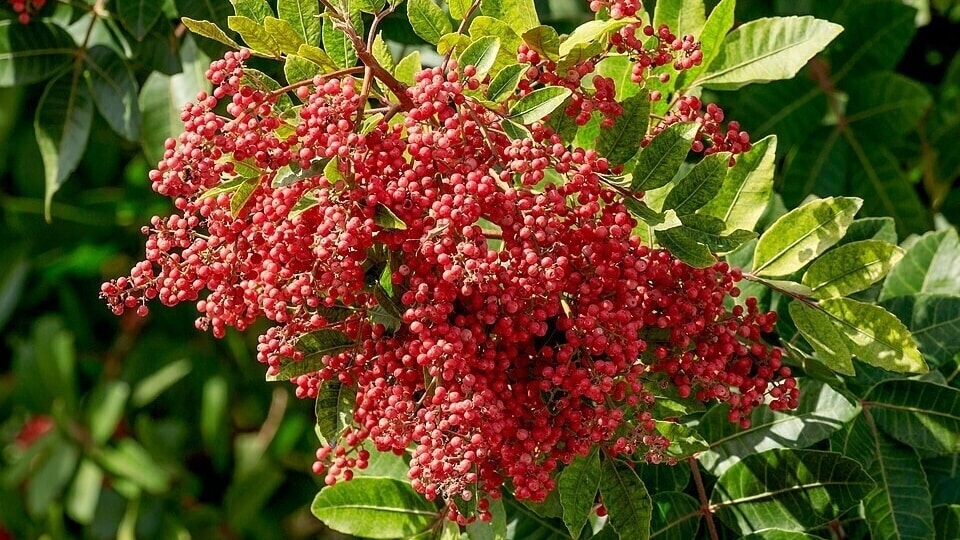
A shrub with bright red berries sounds like something nice to plant in a garden. But in Florida, one such bush became a big problem. Brazilian peppertree was introduced into the state as an ornamental plant, according to the USDA Agricultural Research Service. USDA estimates that more than 700,000 acres in Florida are infested with it, showing how far a single garden choice can go.
A garden plant that didn’t stay in the garden
Brazilian peppertree, also called Brazilian pepper, is native to Brazil, Paraguay, and Argentina. UF/IFAS Extension notes that it is thought to have been introduced into Florida in the 1840s as an ornamental. It is a shrub with green leaves and bright red berries, but it didn’t stay in yards. The USDA says it has colonized much of the state's peninsula, where it grows in dense thickets and crowds out native vegetation. The plant has also spread to California, Hawaii, and Texas.
Why it takes over so easily
Once it takes hold, the plant grows a thick canopy that shades out any other plants and provides a very poor habitat for native species, USDA notes. The shrub is the most widespread invasive species in Florida. It is also one of the biggest threats to South Florida’s biodiversity and endangers plants and animals that are listed as endangered.
Deep Dive

UF/IFAS Extension calls the Brazilian peppertree one of the worst non-native species damaging Florida’s natural ecosystems. The plant is also on Florida's Noxious Weed List. But the plant does have an Achilles heel. It is sensitive to cold, so it is more common in south and coastal Florida and protected areas of central and north Florida. The damage reaches people, too. The USDA says the fruit is toxic when eaten by wildlife, and many people have allergic reactions to the pollen and sap of the plant.
Little bugs join the fight
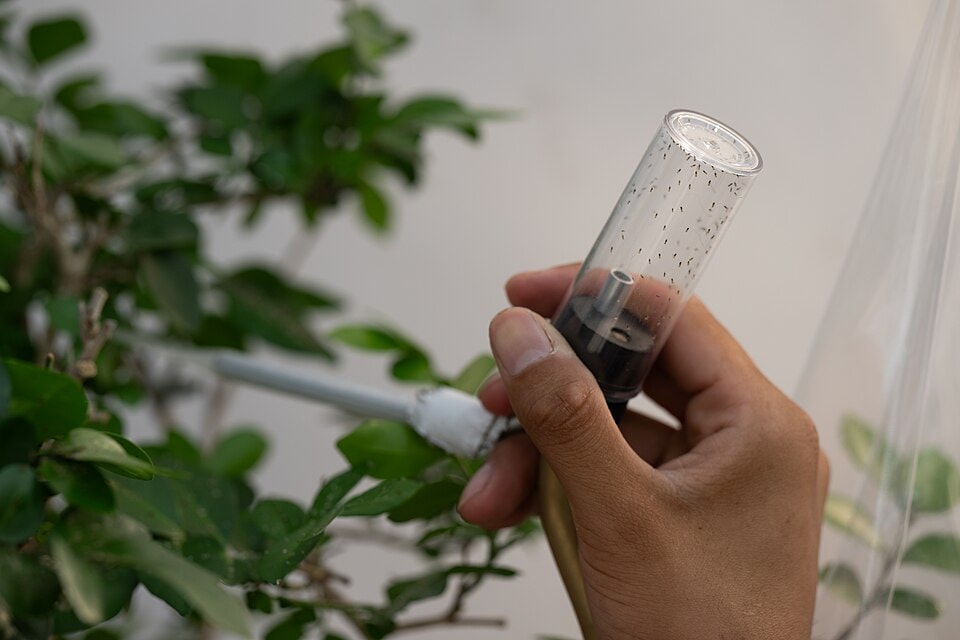
Scientists are now testing a tiny helper. The USDA Agricultural Research Service study published in the Florida Entomologist suggests that Brazilian peppertree thrips may be a potential biological control. The thrips are the first biological control agent for this plant released in Florida. Thrips are common plant pests, but these specialized thrips are native to South America and feed only on the peppertree’s leaves and stem tips. They slow down the growth of the plant and reduce how much fruit and flowers it produces. Researchers with USDA, the University of Florida, and the Florida Department of Agriculture and Consumer Services released the thrips at 567 sites from May 2019 to December 2021. They checked 223 of those sites for adult thrips at least 60 days after release, a sign a new generation had formed. Thrips were found at 77 of the 223 sites, or 35%, and at up to 60% of sites in some survey windows.
This is significant because it suggests self-sustaining thrips populations at up to 60 percent of surveyed sites, said Gregory Wheeler, a research entomologist at the USDA lab in Fort Lauderdale. He said thrips can be a cost-effective and environmentally friendly option as part of a wider plan that uses several methods. But it is too early to call them a full fix, as researchers will continue to release and track the insects to see how they work. For now, Brazilian peppertree reminds us how a plant chosen for its good looks can cause problems that take years of careful study to solve.