E-Paper



Rape victims, sex workers among those ineligible for MP scheme
The scheme provides monthly assistance of ₹1,000 to women who are not income tax payees and whose families’ annual income is below ₹2.50 lakh annually.

 Prefer HTon Google


A 32-year-old woman of the Banchhada tribe in a village in Madhya Pradesh’s Neemuch district was looking forward to receiving a monthly payout of ₹1,000 under the state government’s Mukhyamantri Laadli Behna scheme when she learnt that marriage is a key criteria to avail the financial assistance.
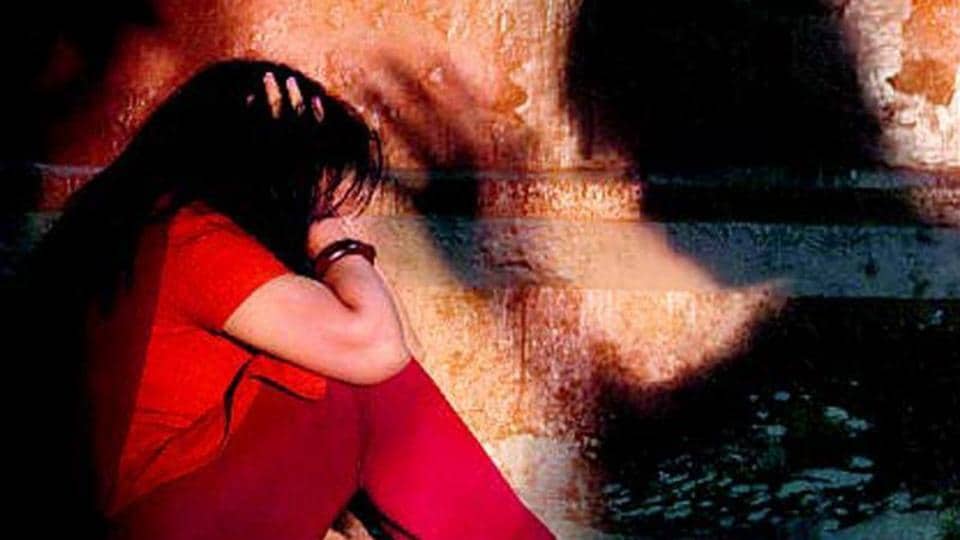
She is among 15,000 women of Banchhada and Bedia tribes, in Neemuch, Ratlam and Mandsaur districts who have been engaged in sex work for generations, struggling to avail the benefit of a scheme that was introduced by the state government on March 5.
The scheme provides monthly assistance of ₹1,000 to women who are not income tax payees and whose families’ annual income is below ₹2.50 lakh annually.
The members of the tribe, however, said that they have learnt it is applicable only for married or divorced women between the age of 23 and 60.
Also Read| 20-yr-old MP woman shot dead by her stalker ahead of court hearing: Police
“I was forced into sex trade when I was 14-years-old and gave birth to two children,” the woman from Jetpura village in Neemuch, cited above, said. “I want to restart my life and want benefits such as free education for my children, subsidised ration and the money . I applied but I was declared ineligible because I could not share the information on my husband’s name,” she said, speaking on condition of anonymity.
Applications to avail the scheme are open till April 30 and the money is expected to be disbursed from June. According to women and child development department, 11 million women have applied for the aid so far.
More than 500 km from Neemuch, in Badnapur area of Gwalior, the women of Bedia community also raised similar concerns and are seeking a change in the eligibility criteria.
“ For me, ₹1,000 is a big amount but I will not get it because I am not a “laadli” of the chief minister. I don’t have a husband at the age of 26,” a woman said, asking not to be identified.
Not just sex workers, orphans and rape survivors residing in different shelter homes have also learnt that they are not eligible for the scheme because of their marital status.
“I don’t have anyone in my family. I am a rape survivor and living in a shelter home in Bhopal. I have a child. The accused is in jail. The Nirbhaya organisation is searching for a groom for me. I want to be financially independent but I am unable to get the benefits of the scheme,” a rape survivor at a shelter home in Bhopal said on condition of anonymity.
Social activists also raised concerns over the non-inclusion of all women in the scheme.
“In three districts, more than 15,000 women were declared ineligible because they are not married. We have raised this matter with the district administration,” Neelesh Chauhan, a social activist working with the Banchhada community, said.
Aruna Chhari, head of Abhyuday Ashram in Morena who is working with the Bedia community, said: “This is discrimination. The state government should change the rules so that these deprived and socially ostracised women are able to avail the benefits.”
Afzal Khan, convener of Nirbhaya Organisation in Bhopal, said he had raised the matter in several coordination meetings with the district administration and women and child development officers but to no avail. “I raised the issue but no one paid any heed to our demand,” she said.
Madhya Pradesh Human Rights Commission president Manohar Mamtani said he has written to the state government to even include unmarried women belonging to Banchhada, Bedia and Sansi(a tribe declared as criminal and they don’t have documents especially identity proof)communities in the scheme. “There should be no discrimination because of one’s marital status,” he said.
Neemuch district collector Dinesh Jain said: “I raised the matter with the women and child development department that women from the Banchhada community cannot apply on the portal because of their marital status. I am waiting for their response.”
An official in the women and child development ruled out any changes in the scheme.
“A discussion was held on this issue and senior officers said the criteria will not change,” the official said, seeking anonymity.
(With inputs from Mustafa Hussain from Neemuch and Anupam Pateriya from Sagar)