
 E-Paper



Changes in breast shape and skin to swelling in armpits: Experts share the lesser-known symptoms of breast cancer beyond the lump

 Prefer HTon Google


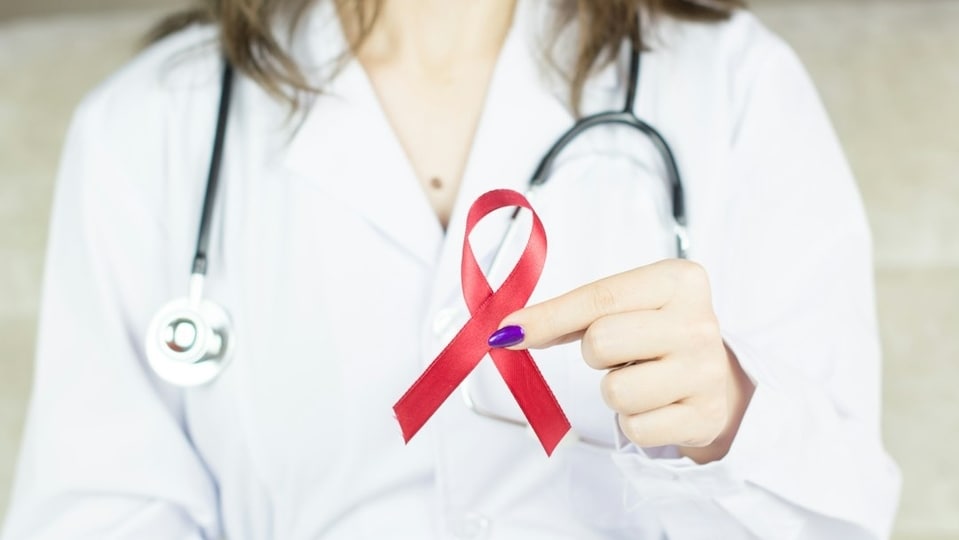
A lump in the breast is the most commonly known symptom of breast cancer, but the signs go beyond that. Experts share symptoms that are easy to overlook.
When women think of breast cancer, a lump is usually the first warning sign that comes to mind. The good news is that around 90 percent of breast lumps are non-cancerous, while approximately 10 percent are cancerous However, breast cancer does not always begin with a noticeable lump; it may appear as slight changes in the look, texture or feel of the breast that can be ignored or taken for granted as minor health issues.
HT Lifestyle reached out to Dr Sandip Bipte – a consultant in breast surgery at P.D. Hinduja Hospital and MRC, Khar – and Dr Shishir Shetty – the director of surgical oncology at Fortis Hiranandani Hospital, Vashi, Navi Mumbai – who emphasise the importance of detecting these changes early and having them assessed by a medical professional as soon as possible in order to aid diagnosis and treatment. The experts outline the following lesser known symptoms of breast cancer that are easy to overlook.
Changes in the nipple
According to Dr Bipte, one change women may overlook is a newly inverted nipple. He explains, “If a nipple that previously pointed outward begins pulling inward, particularly on one side, it should be examined. Similarly, persistent crusting, scaling or redness around the nipple that does not improve with routine treatment should not automatically be dismissed as a skin allergy.”
Dr Shetty further highlights, “In rare instances, these symptoms can be linked to Paget’s disease of the breast, a rare type of breast cancer that impacts the nipple and the surrounding skin. Moreover, any persistent nipple discharge – especially if it is bloody and occurs spontaneously or is coming from only one breast – should also be evaluated by a medical professional.”

Changes in breast shape
Another warning sign is a change in the shape or contour of the breast. Dr Bipte highlights that if one breast develops a new indentation, a flattened area or a pulling sensation when you raise your arm, it is worth getting checked. “These changes can occur when an underlying tumour affects the surrounding tissue,” notes the surgeon.
“Although it is normal for breasts to differ in size and for them to change as a result of the menstrual cycle or other hormonal alterations, any new and ongoing difference between the two breasts should not be ignored. Additionally, a breast that looks swollen or enlarged without a clear reason should also be investigated, even if no obvious lump can be detected,” stresses Dr Shetty.
Changes in skin of breasts
A not very well-known sign is a change in the skin of the breast. The director of surgical oncology explains, “If the skin becomes dimpled, puckered or abnormally thickened this could be a sign of an underlying issue. Occasionally the skin may take on a texture similar to that of an orange peel. This kind of change can happen when cancer interferes with the lymphatic drainage of the skin and must not be ignored, especially if the change appears suddenly.”
Dr Bipte adds that these can be signs of inflammatory breast cancer, an uncommon but aggressive form of the disease that may develop without a distinct lump.
Unusual nipple discharge
Dr Bipte notes, “Unusual nipple discharge, especially if it is spontaneous, bloody or comes from only one breast, should also be evaluated. A new lump or swelling in the armpit may indicate enlarged lymph nodes that require investigation.”
Swelling and pain in armpits or collarbone
A lump or swelling in the armpit or near the collarbone can also be a warning sign. Breast cancer can spread to the nearby lymph nodes, sometimes prior to a woman detecting a lump in her breast.
Dr Shetty highlights, “A symptom which is frequently misinterpreted is a continuous discomfort or pain in the breast or in the armpit. Although breast pain is generally linked with hormonal changes and is not usually the sole sign of breast cancer, any pain that is localised, persistent or is accompanied by other alterations should be assessed rather than being treated over and over again on one's own.”
General sense of discomfort
According to Dr Shetty, in some instances, breast cancer can also lead to changes that are not easily noticeable, for example a constant feeling of heaviness, an odd warmth or a thickening in one breast. Since these symptoms are not specific to cancer they can be caused by non-cancerous conditions or infections. Yet, if they continue, get worse or appear together with skin changes or swelling they should not be ignored.
Knowing your baseline
The experts emphasise that the occurrence of any one of these symptoms does not automatically imply that a woman has breast cancer, since a great many breast changes are due to non-cancerous conditions.
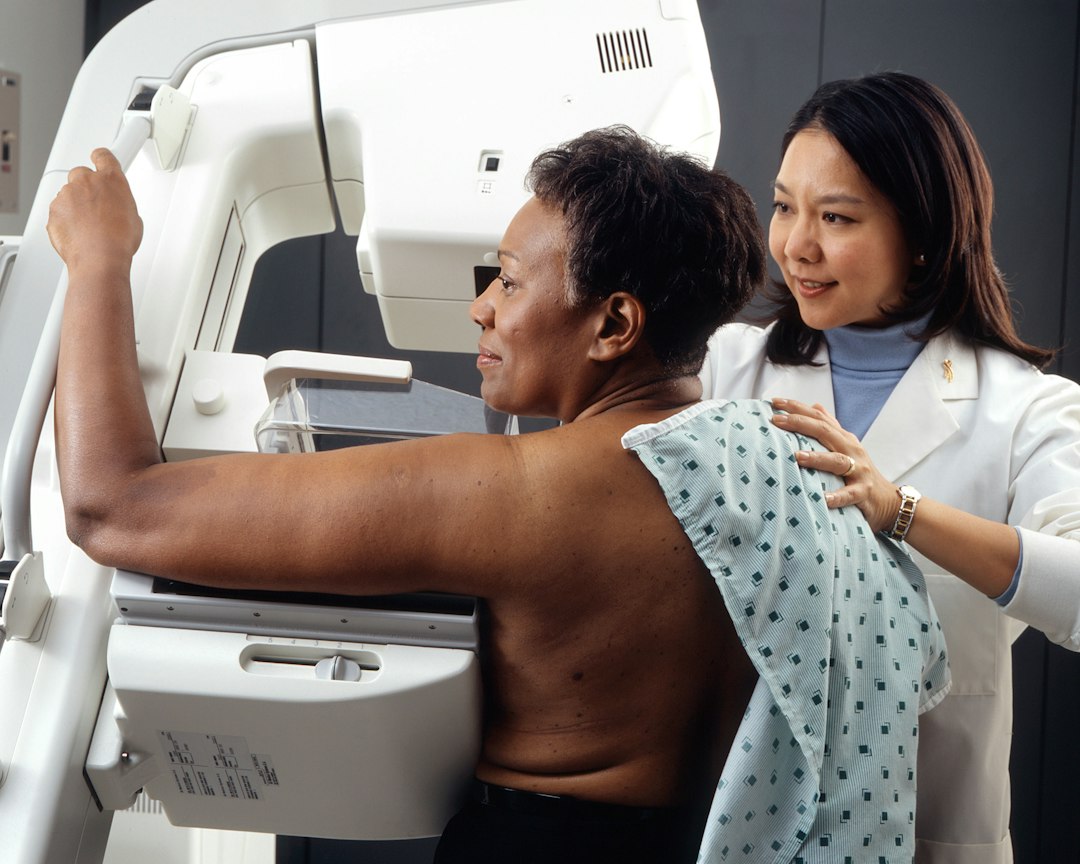
“Women should get to know how their breasts usually look and feel so that they can pick up on any changes as early as possible. Although it is helpful to practise breast self-awareness, this does not take the place of a clinical examination or of the recommended screening procedures,” stresses Dr Shetty.
“The good news is that evaluation is becoming more accessible. Alongside established methods such as clinical examination, ultrasound, mammography and biopsy when required, newer technologies such as the handheld iBreastExam can support breast abnormality screening. It is portable, painless and radiation-free, and has been studied as an adjunct to clinical examination. However, it does not replace diagnostic imaging or biopsy when these are indicated,” concludes Dr Bipte.
Note to readers: This article is for informational purposes only and not a substitute for professional medical advice. Always seek the advice of your doctor with any questions about a medical condition.
Dr Sandip Bipte is a Consultant in Breast Surgery at P.D. Hinduja Hospital and Medical Research Centre, Khar. He specialises in oncoplastic breast surgery and breast cancer treatment, with additional training in intraoperative radiotherapy (IORT) at Whittington Hospital, London.
Dr Shishir Shetty is a Senior Consultant in Surgical Oncology at Fortis Hiranandani Hospital, Vashi, with 28 years of experience and over 10,000 surgeries to his credit. A Tata Memorial Hospital-trained oncologist, he specialises in surgical oncology and robotic thoracic and gastrointestinal surgery. He also holds a fellowship in robotic surgery from Emory University, Atlanta.


Catch your daily dose of Fashion, Taylor Swift, Health, Festivals, Travel, Relationship, Recipe and all the other Latest Lifestyle News on Hindustan Times Website and APPs.


