
 E-Paper



Did you know repeated dieting makes fat loss harder? Doctor shares 5 facts about metabolism

 Prefer HTon Google


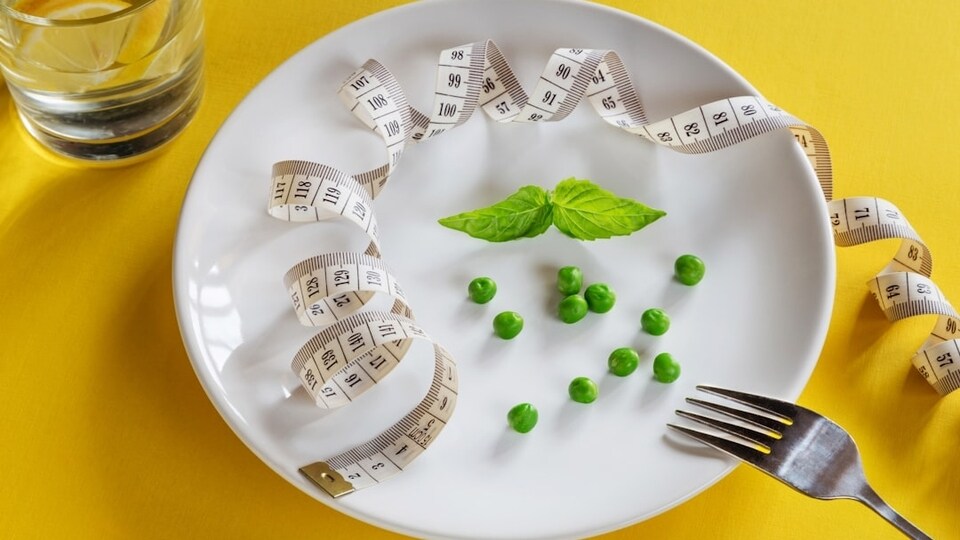
Repeated aggressive dieting can actually negatively impact your metabolism. Dr Sood shares 5 things most people miss.
Metabolism is often blamed when fat loss slows down, especially after repeated attempts at dieting – but the reality is far more complex than most people realise. Many of us operate on half-truths, assuming our metabolism “breaks” over time, when in fact, it adapts in ways that aren’t always obvious. From how your body responds to calorie restriction to the role of sleep and muscle mass, metabolism works in nuanced ways that are often misunderstood, making it harder to navigate weight loss effectively.
Also Read | Did you know using excess mouthwash can cause hypertension? Doctor explains how it affects blood pressure
Dr Kunal Sood, an anaesthesiologist and interventional pain medicine physician, is breaking down how the body’s metabolism actually works, challenging some of the most common misconceptions around it. In an Instagram video shared on April 22, the physician outlines five key facts about metabolism that most people tend to overlook.
Metabolism stays stable until 60
According to Dr Sood, large-scale metabolic studies suggest that total energy expenditure remains relatively stable between the ages of 20 and 60, only beginning to decline gradually thereafter. This challenges the common belief that metabolism inevitably slows down at 40, showing that the idea isn’t universally true.
He explains, “Large metabolic studies show total energy expenditure is relatively stable from ages 20 to 60, then gradually declines. The idea that metabolism ‘crashes’ in your 30s or 40s is not supported at a population level, though individual factors like muscle loss and activity still matter.”
Most calories are burned at rest
Dr Sood highlights that the body actually burns most of its energy at rest, as it is constantly fuelling essential, involuntary processes such as organ function, circulation, and temperature regulation, among many others.
He notes, “Resting energy expenditure makes up about 60 to 70 percent of daily calorie use. Even at rest, the body is constantly using energy for organ function, circulation, temperature regulation, and cellular processes. Exercise contributes, but it is only one part of total energy expenditure.”
Poor sleep increases hunger and cravings
When you don’t get adequate sleep, it can heighten your appetite, increase overall calorie intake, and disrupt your body’s natural hunger signals. Poor sleep messes with the balance of hunger and satiety hormones, which can in turn fuel cravings for high-calorie foods.
The physician explains, “Sleep restriction is associated with increased appetite, higher calorie intake, and changes in hunger signaling. Some studies show decreased leptin and increased ghrelin, while others show stronger activation of reward pathways, making high-calorie foods more appealing.”
Repeated dieting makes fat loss harder
Dr Sood highlights that weight loss prompts the body to adapt by lowering energy expenditure while simultaneously increasing hunger signals. At the same time, the loss of lean muscle can reduce metabolic rate, making long-term weight maintenance more challenging. This is why protein and strength training are often recommended – they help preserve muscle mass and, in turn, keep metabolism more active.
The physician explains, “After weight loss, the body adapts by lowering energy expenditure and increasing hunger signals. Loss of lean mass further reduces metabolic rate. These adaptations make continued fat loss and long-term maintenance more difficult, especially with repeated aggressive dieting.”
Protein and creatine support metabolism
According to the physician, protein has a higher thermic effect, meaning the body expends more energy to digest and process it, while also helping preserve lean muscle during weight loss. Creatine, on the other hand, supports muscle growth and enhances physical performance, which in turn can contribute to a more efficient metabolism.
Dr Sood states, “Protein increases satiety, has a higher thermic effect, and helps preserve lean mass during weight loss. Creatine supports muscle mass and performance, which indirectly supports metabolic health because muscle is a major site of glucose disposal.”
Note to readers: This article is for informational purposes only and not a substitute for professional medical advice. It is based on user-generated content from social media. HT.com has not independently verified the claims and does not endorse them.


Catch your daily dose of Fashion, Taylor Swift, Health, Festivals, Travel, Relationship, Recipe and all the other Latest Lifestyle News on Hindustan Times Website and APPs.


