
 E-Paper


Do you take collagen for bone health? Doctor explains what research says, debunks myths and how to choose right supplement

 Prefer HTon Google



Collagen may modestly support bone density, but evidence is limited and does not show that it prevents fractures or treats osteoporosis, per Dr Adarsh.
Supplements are a great way to boost your health. However, in the race for achieving health and wellness, we often forget that they cannot be a substitute for a healthy lifestyle, a healthy diet, exercise, regular sleep, and more. Collagen is one such supplement that has become quite popular, with people consuming it without seeking medical professional advice.
According to Dr Adarsh Krishna K Bhat, consultant – orthopaedics and joint replacement, collagen makes up roughly 90% of the organic framework of bone. In an interview with HT Lifestyle, he explained, “Calcium and other minerals are deposited onto this framework, giving bone its flexibility and ability to absorb impact. This is the reason why collagen is linked to bone strength.”
However, he stressed that before taking that supplement, it is important to educate oneself about whether it has any benefits, the myths surrounding it, and how to choose the right supplement for you.
What does the research say about collagen supplements and bone health?
“A few trials, mostly on postmenopausal women, suggest that taking collagen peptides daily for several months may modestly improve slow bone loss or improve bone density markers. But the studies have been short and often funded by supplement makers. We do not yet have large, long-term trials showing that collagen lowers fracture risk,” Dr Adarsh cautioned, adding that he would call collagen a possible supporting player but not a proven treatment.
What is the biggest myth about collagen supplements?
The idea that swallowing collagen sends it straight to your bones, per Dr Adarsh, is the biggest myth around collagen supplements. He explained, “The body breaks down collagen into amino acids and small peptides during digestion, which then get used whenever the body needs them. This does not necessarily go to the bones.”
Other myths are that collagen can reverse osteoporosis, that more collagen is always better, and that a collagen supplement can make up for a poor diet. “Some collagen consumers also claim that ‘natural’ and ‘marine’ collagen is safer and better, but these are simply marketing labels, and there is no clinical evidence for the same,” he added.

How do collagen supplements differ, and what should someone look for when choosing one?
Dr Adarsh highlighted that most collagen supplements on the market are hydrolysed collagen, also known as collagen peptides. “The collagen is broken into small pieces so the body can absorb it more easily, and most of the bone research has used this form,” he shared.
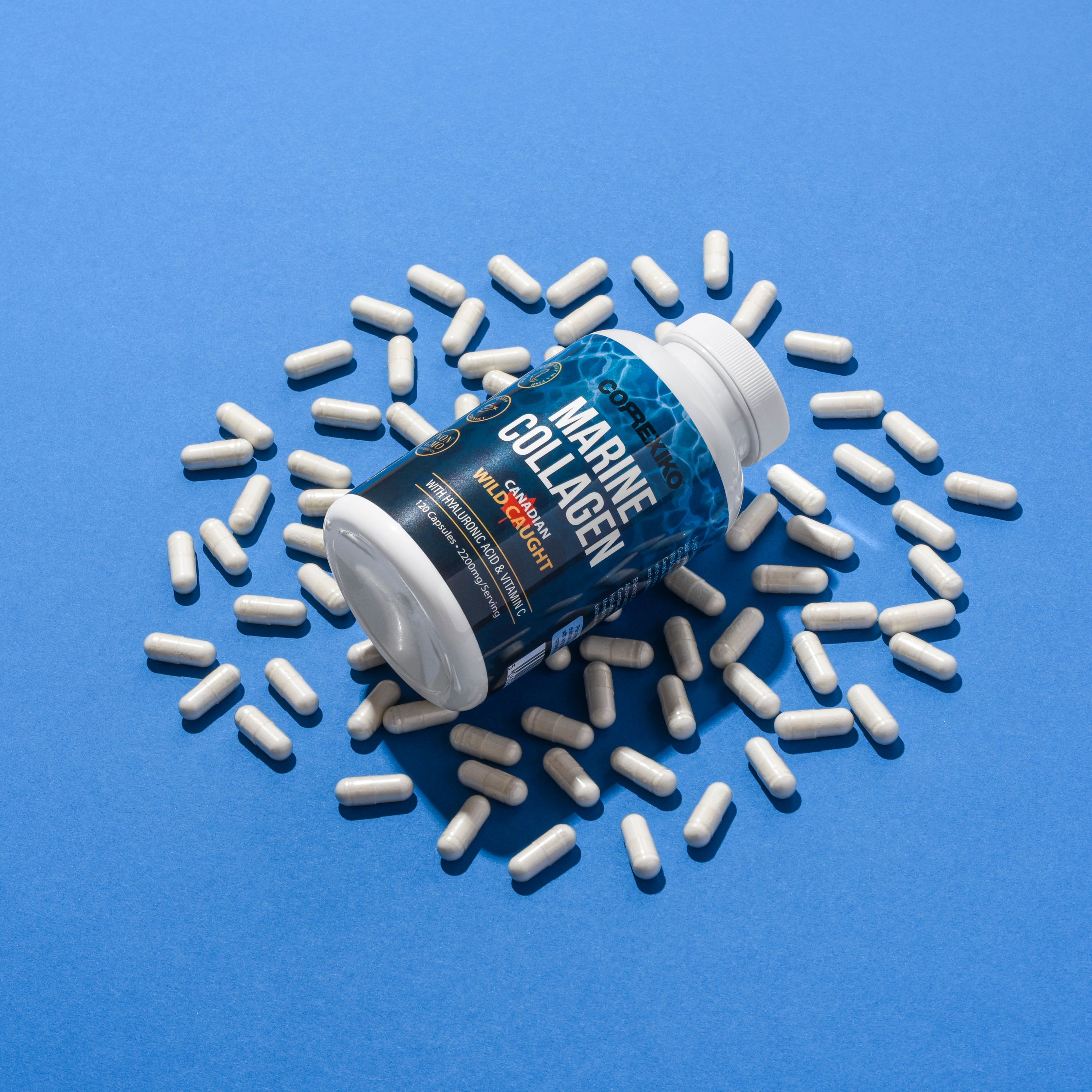
According to him, products also differ by source, such as bovine (cow), marine (fish), or chicken. “Bovine and marine collagen are rich in the types found in bone, while chicken collagen is mainly studied for joints. If you are vegetarian, note that true collagen always comes from animals. ‘Vegan collagen’ only contains nutrients that help your body make its own,” he cautioned.
So, the next time you are choosing a collagen supplement for yourself, look for the following, as per Dr Adarsh:
- A clear label showing the type of collagen and the dose per serving
- Third-party testing for purity and heavy metals
- Little or no added sugar
- No big claims such as ‘cures osteoporosis’ or ‘rebuilds bones’
Lastly, he cautioned that if you have a fish allergy, avoid marine collagen, and if you have kidney problems, check with your doctor first.

Why do diet, calcium, vitamin D and exercise still matter more?
At the end of the day, Dr Adarsh stressed that calcium, vitamin D, and protein are the basic raw materials your body needs for maintaining good bone health.
“Adults generally need about 1,000 to 1,200 mg of calcium, ideally from food sources like milk, curd, ragi, sesame, leafy greens, etc. Vitamin D deficiency is very common in India despite the sunshine. Protein matters as well. Bone is a protein framework with minerals, so a low-protein diet will not support it, whether or not you take collagen,” he explained.
Lastly, he recommended exercise as the most effective stimulus for bone, including weight-bearing and resistance activities such as brisk walking, jogging, and strength training, which help maintain bone density. “Avoiding smoking and heavy alcohol use matters too. If someone can only do one thing for their bones, it should be these basics, with collagen as an optional extra,” he added in the end.
Note to readers: This article is for informational purposes only and not a substitute for professional medical advice. Always seek the advice of your doctor with any questions about a medical condition.


Catch your daily dose of Fashion, Taylor Swift, Health, Festivals, Travel, Relationship, Recipe and all the other Latest Lifestyle News on Hindustan Times Website and APPs.


